Being a member of any marginalised group simply adds a few bricks to the bottom of your pack. The house you are more likely to live in, the job you are more likely to have, may make you sick – and the care you receive when you seek help is less likely to make you better.
Read more:
As well as ensuring you had the most gilded of tableware for your next dinner party, you might hope winning Wimbledon seven times would also guarantee you a pretty high standard of antenatal care. Not so for Serena Williams – who despite being one of the most famous and wealthy people on the planet, couldn’t convince doctors the pain she was experiencing after giving birth was due to a potentially fatal pulmonary embolism. If this is her experience, what hope is there for others?
Keep reading the journalism that powers our mission
Register free to continue and learn more about the stories, campaigns and the support we provide, helping people facing poverty across the UK.
And true enough, in majority white societies the statistics around outcomes for black women giving birth are shameful. In the UK, in some years, they have been as much as five times more likely than their white counterparts to die in childbirth.
All of these disparities occur in an NHS with an uncertain future. The disadvantaged who need it most, and for it to improve, face the prospect of the health service disappearing in any recognisable form. The NHS remains one of our most important safety nets – protecting ordinary people from a more precipitous fall away from those more privileged.
But the holes are widening. The man tasked with the repair, Wes Streeting, at times when announcing his remedies, has the air of a Foxton’s estate agent giving his most enthusiastic sell. He presents a health service, which although much loved, is “in need of complete modernisation” – promising to get patients on the doctor’s appointment ladder.
Advertising helps fund Big Issue’s mission to end poverty
Even this comparison can’t be made without allusion to class and privilege. Growing up on a council estate, Mr Streeting may have faced as many, if not more obstacles to becoming a doctor than I ever did (although, given he managed to vault into Cambridge, he would likely have managed it, had he chosen that path). Race is one of only many societal factors dictating the make-up of the healthcare workforce and the experiences of those it treats.
What will fix the treatment of non-white patients and staff? The tone of the national conversation makes me suspicious we may be waiting a while for the new Rome that will mean equity for all. What can be done however, is the involvement of members of these groups in the structure of services – both lending their voice during design and ensuring they are given the opportunity to compete fairly for leadership roles. Fortunately, it’s not my job to implement this.
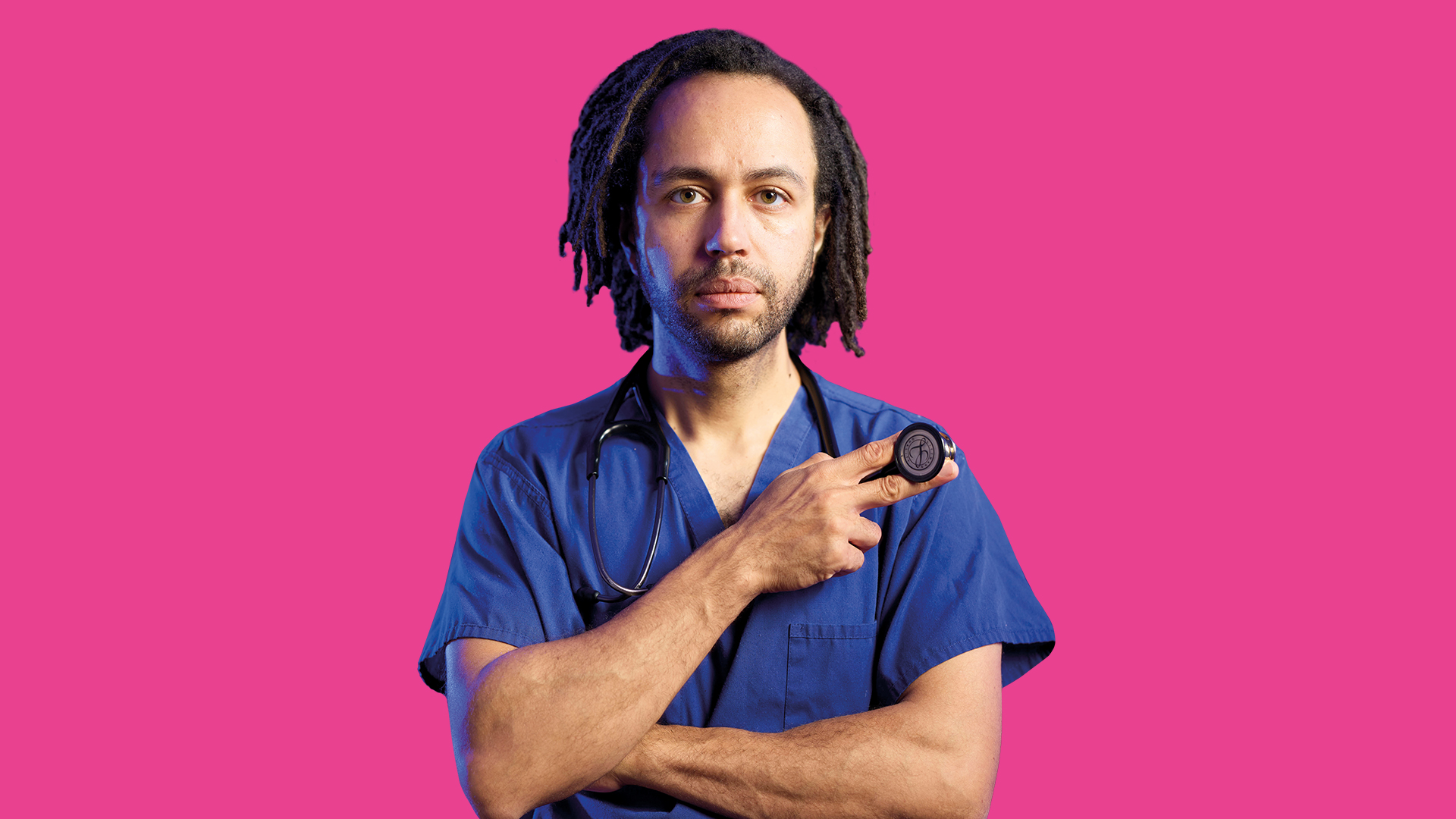
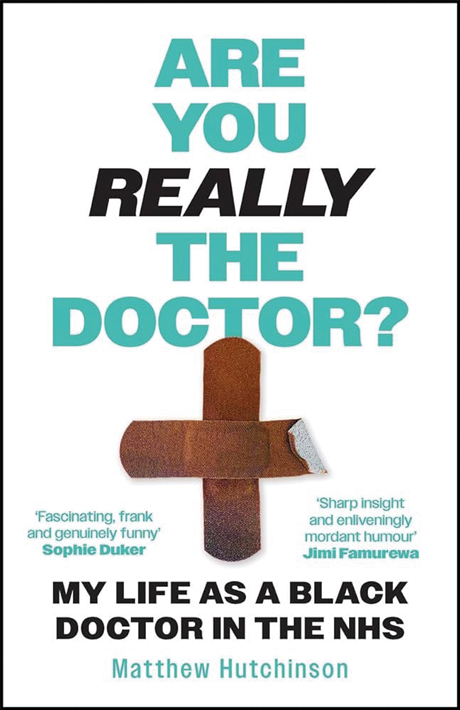
Are You Really the Doctor? My Life as a Black Doctor in the NHS by Matthew Hutchinson is out now (Blink, £22).
You can buy it from the Big Issue shop on bookshop.org, which helps to support Big Issue and independent bookshops.
Do you have a story to tell or opinions to share about this? Get in touch and tell us more.
Reader-funded since 1991 – Big Issue brings you trustworthy journalism that drives real change.
Advertising helps fund Big Issue’s mission to end poverty
Every day, our journalists dig deeper, speaking up for those society overlooks.
Could you help us keep doing this vital work? Support our journalism from £5 a month.