Advertising helps fund Big Issue’s mission to end poverty
Health

Migrants are twice as likely to work nights than Brits. The care system would collapse without them

The nation runs on night carers' unseen labour without really acknowledging it exists

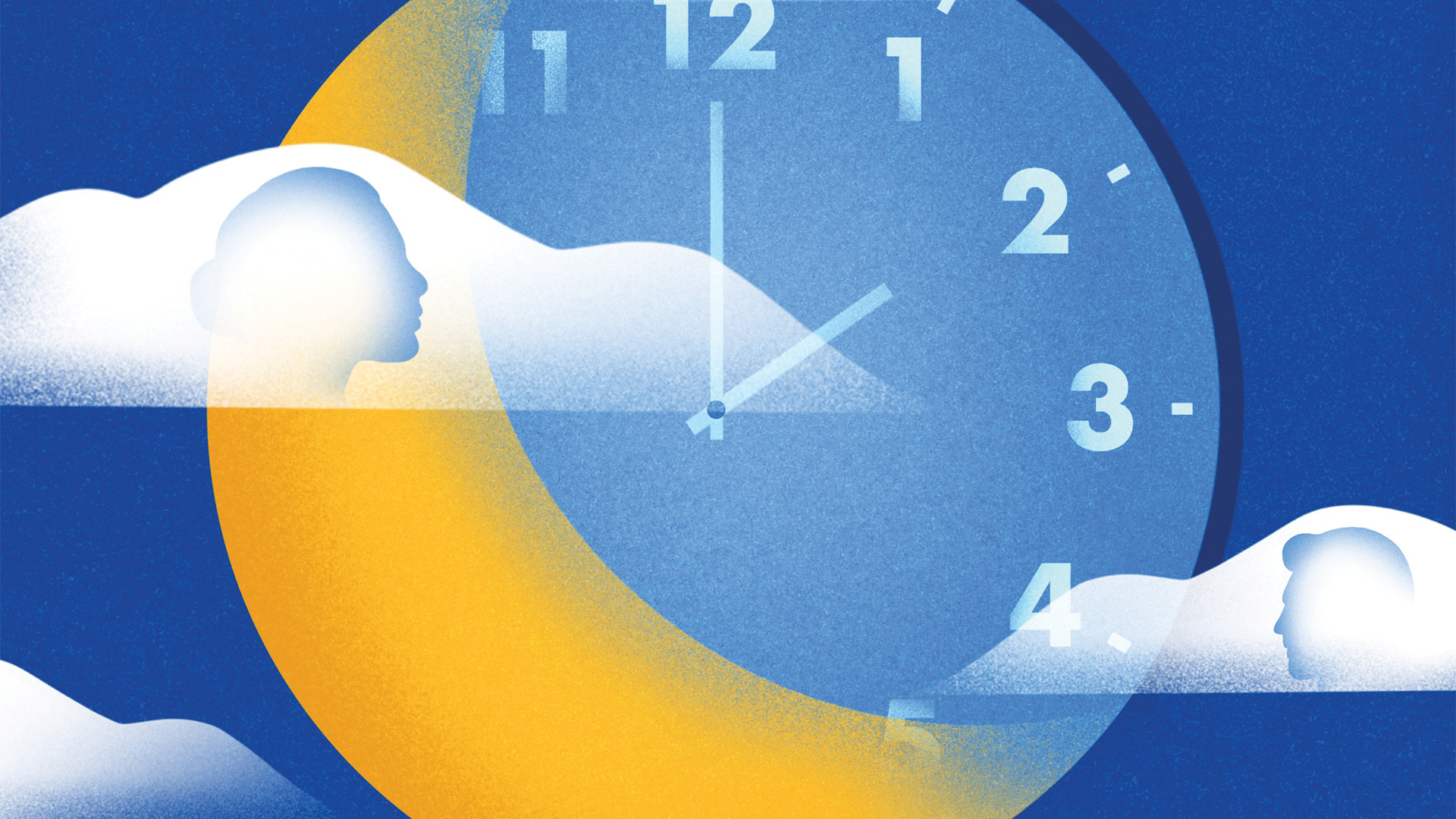
A clock with a moon and clouds to illustrate night carers

Illustration: Lou Kiss

At 2am, the care home is a different country. The day staff have gone home to their own families, the visitors have long since signed out, and the building settles into a hush broken only by a call bell, a cough, the soft squeak of a trolley wheel on lino. This is when the real work happens – not the work anyone sees, but the work that keeps people alive and, more than that, keeps them dignified.

Britain’s nighttime workforce is estimated at around nine million people, and it leans on migrants more heavily every year as fewer UK-born workers take up night jobs. In the health and care sector specifically, more than a third of night workers are migrants, and people not born in the UK are twice as likely to work nights as those born here. Those are the official numbers.

I know them partly from the inside – I mostly work days at a Farnham care home, but I’ve picked up enough night shifts over the past seven months to know what that world costs. And in that time I’ve come to know a particular kind of colleague: quietly holding up a system that would collapse without them, and rarely thanked for it because no one is awake to notice.


Joseph is one of them. This isn’t his real name. Like everyone in my book, The Universe in Her Eyes, I’ve changed it to protect his privacy. Joseph came to the UK from Uganda seven years ago, and for most of that time his three children stayed behind with his sister, waiting for the day he could bring them over. Next month, that day finally comes. He’s flying back himself to collect them – all three – and bring them home. Seven years of night shifts distilled into one journey.

On his breaks, while the rest of the building sleeps, he calls home. I’ve seen him sitting in the small staff room at 3am, phone pressed to his ear, talking low so as not to wake anyone, catching the tail end of his children’s afternoon on the other side of the world. He works nearly every night shift going and picks up the ones nobody else wants – Christmas Eve, New Year’s Day, the 3am-to-11am stretch that wrecks your sleep for a week. He doesn’t complain. He does the maths: so many hours, so much saved, so many months closer to his children boarding a plane. Now, finally, weeks instead of months.

I’ve watched him move between residents’ rooms so quietly that no one wakes, checking pulse and breathing by torchlight because the overhead light might startle someone mid-dream. I’ve watched him sit with a resident who wakes frightened and confused at 4am, not because it’s in his job description to comfort her, but because leaving her alone with that fear isn’t something he knows how to do.

Advertising helps fund Big Issue’s mission to end poverty

He’s not unusual, and that’s the point. A researcher who studies the invisibility of night work has called this kind of labour essential to keeping a 24-hour society running, even in sectors still, unfairly, labelled “low-skilled”. The system depends entirely on people like Joseph being willing to do work that is physically exhausting, emotionally heavy and almost invisible – and depends on them not being seen doing it.

Read more:

I know this because the toll is mine too. Night shifts change you in ways that are hard to explain to someone who’s never worked one. The building itself changes shape after dark – the dining hall shutters, the kitchen goes quiet, and there’s no lunch or supper laid out the way there is for the day staff. You eat whatever you brought, standing up between rounds, or you don’t eat properly at all. 

You learn to read a room by the sound of breathing. You learn which silences are peaceful and which ones aren’t. You learn to hold someone’s hand at 3am when they’re frightened of a memory they can’t quite place, and to still be steady enough by 7am to hand over a clear, calm report to the day staff arriving fresh and rested. I’ve walked out into a bright, ordinary morning – commuters, dog walkers, a school run – feeling like a ghost passing through a world that has no idea what just happened. Even after sleeping a full day, the tiredness doesn’t fully leave. It sits behind your eyes. 

There’s a strange loneliness to it, too. You do the hardest, most tender parts of the job while almost no one is watching. There’s no manager doing rounds at 4am. No family members dropping by unannounced to see how their mother is really cared for. Just you, the resident, and whatever the night brings. Some of my colleagues have told me they were sleeping in cars between split shifts, or sending most of what they earn home and living on very little themselves. 

And yet I don’t think any of us who do this work would call it thankless, exactly. There’s a particular kind of privilege in being the person someone reaches for in the dark. It’s just that the country runs on this invisible labour without much acknowledging it exists, and with visa rules tightening, the workforce holding it up is being asked to prove its worth to a government that rarely watches it work.

Next month, Joseph will board a plane and come home with three children who have only ever known him through a phone screen at odd hours. He’s already planned the first thing he’ll cook them. I think about that a lot – how much of what holds this care system together is built from small, patient sacrifices nobody claps for. Not applause. Just the next shift, and the one after that. 

Bimal Devkota is a senior care assistant in Farnham, Surrey, and author of the memoir The Universe in Her Eyes, drawn from his years working in elderly care

Do you have a story to tell or opinions to share about this? Get in touch and tell us more

Change a vendor’s life.

Buy from your local Big Issue vendor every week – and always take the magazine. It’s how vendors earn with dignity and move forward.

You can also support online:
Subscribe to the magazine or support our work with a monthly gift. Your support helps vendors earn, learn and thrive while strengthening our frontline services.

Thank you for standing with Big Issue vendors.

Advertising helps fund Big Issue’s mission to end poverty

Do you know how Big Issue 'really' works?

Watch this simple explanation.

Recommended for you

View all
The BIGGER Issue Puts Barriers to Eye Care in Focus
Advertorial

The BIGGER Issue Puts Barriers to Eye Care in Focus

Four Myths That Stop People Getting Their Eyes and Ears Tested
Advertorial

Four Myths That Stop People Getting Their Eyes and Ears Tested

How free eye care helped Big Issue vendor John get back to drawing
Advertorial

How free eye care helped Big Issue vendor John get back to drawing

Want to get healthy this summer? Add the arts to your core routine
Arts

Want to get healthy this summer? Add the arts to your core routine