The trend is not a “blip” but a reflection of a “fundamental shift,” Nigel Green, DeVere CEO, said. “People are increasingly drawn to ESG investments for a multitude of reasons, spanning ethical considerations to financial prudence,” he told FTAdviser.
“This survey reflects a broader shift in investor consciousness – a realisation that investing in a sustainable future is not only ethical, but also a savvy financial strategy.”
Ethical companies are “better equipped to navigate regulatory changes, reputational risks, and operational challenges”, he added.
Continue reading for free
Registration is free and takes less than 30 seconds.
Our supporters make Big Issue’s work possible. Join us to see the impact we’re having together and discover more ways to help people facing poverty access income, opportunity and support.
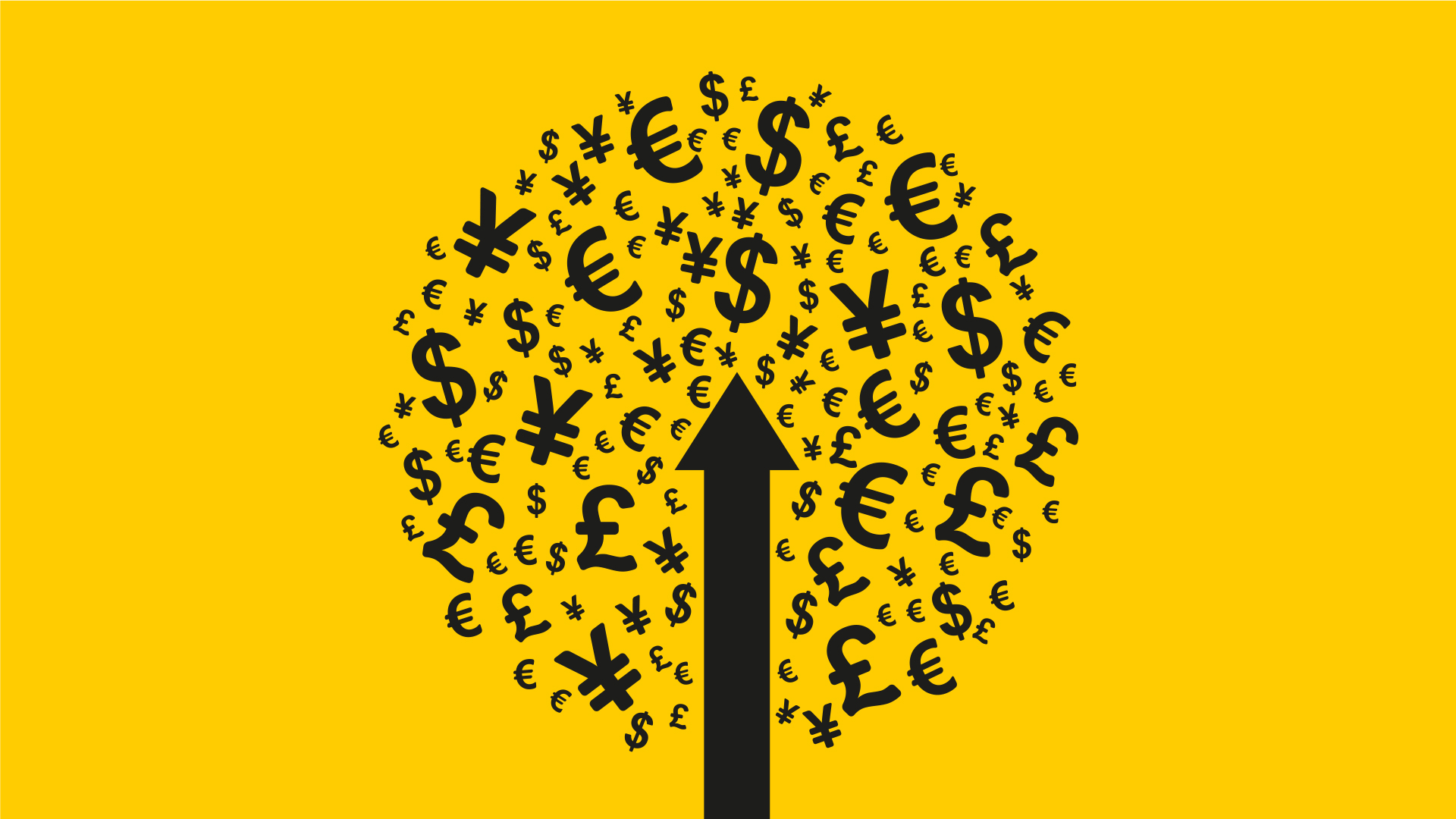
Bloomberg media predicts that ESG assets will hit $50tn by 2025, representing more than a third of the anticipated $140.5trn in total global assets under management. As climate change bites, ethical investing is going to get more mainstream, said Goodall.
“The fundamental things driving this style of investing are not going to go away,” she said. Impact investing in particular can make a huge positive difference. Big Issue Invest – part of the Big Issue group, and separate to the Big Exchange – has invested over £80m in more than 550 social enterprise organisations since its 2005 launch.
But would-be sustainable investors have to be careful. Greenwashing is on the rise. Consumer champion Which? encourages investors to view ESG rating “with suspicion”.
Advertising helps fund Big Issue’s mission to end poverty
“We found that many such funds are falling short of investors’ expectations, which could leave customers shocked by the companies and industries they are unknowingly backing,” said Jenny Ross, Which? Money editor.
Loose, non-statutory definitions of terms like ‘environmental’ and ‘damage’ leave funds a lot of wiggle room. But regulators are clamping down. On 31 May, the Financial Conduct Authority (FCA) ‘anti-greenwashing’ rule comes into effect, banning funds from using language like ‘sustainable’, ‘green’, or ‘responsible’ without justifying them. In the spring budget, the Treasury promised regulations for ESG rating bodies, initiating a year of consultation to “improve clarity and trust”.
The Big Exchange is already “genuine and authentic”, said Goodall, and enacts an “extensive” due diligence process. “You have to be able to measure out- comes. That’s key – we want to get rid of the wishy-washy, non-measurable labels,” she said. Funds are subject to assessment by an independent third party, which checks they align with the UN’s Sustainable Development Goals. Annual assessments follow each year.
“Other investment platforms will want to know whether that fund will sell. At the Big Exchange, impact is the other thing that’s looked for,” Goodall says. “What is the problem that they’re trying to solve? Are they trying to solve world poverty? Are they trying to solve responsible product and consumption?”
Ethical investing is not just for the super-rich, or for people with time to monitor the financial markets. You don’t have to be some philanthropically minded Wolf of Wall Street to get started – The Big Exchange “democratises” investing, Goodall says.
Please remember that when investing, making money is not guaranteed and your capital is at risk. The value of your fund can go down as well as up. Tax treatment depends on an individual’s circumstances and may be subject to change. The Big Exchange (TBF) Limited is an Appointed Representative of Resolution Compliance Limited, which is authorised and regulated by the Financial Conduct Authority (FRN 574048) (8501).
Advertising helps fund Big Issue’s mission to end poverty
Learn more about how to become a positive impact investor here.