Can eating less meat really help the climate?
Ordinary citizens cannot force the hand of large companies to alter their practices, but they can help reduce demand for industrial meat production by cutting how much they eat.
Cutting methane is the “biggest opportunity to slow warming between now and 2040,” according to Durwood Zaelke, a lead reviewer for the IPCC, who urged world leaders to recognise the problem at COP26 in Glasgow later this year. Shale gas and oil extraction projects also release large amounts of methane into the atmosphere, as well as agriculture.
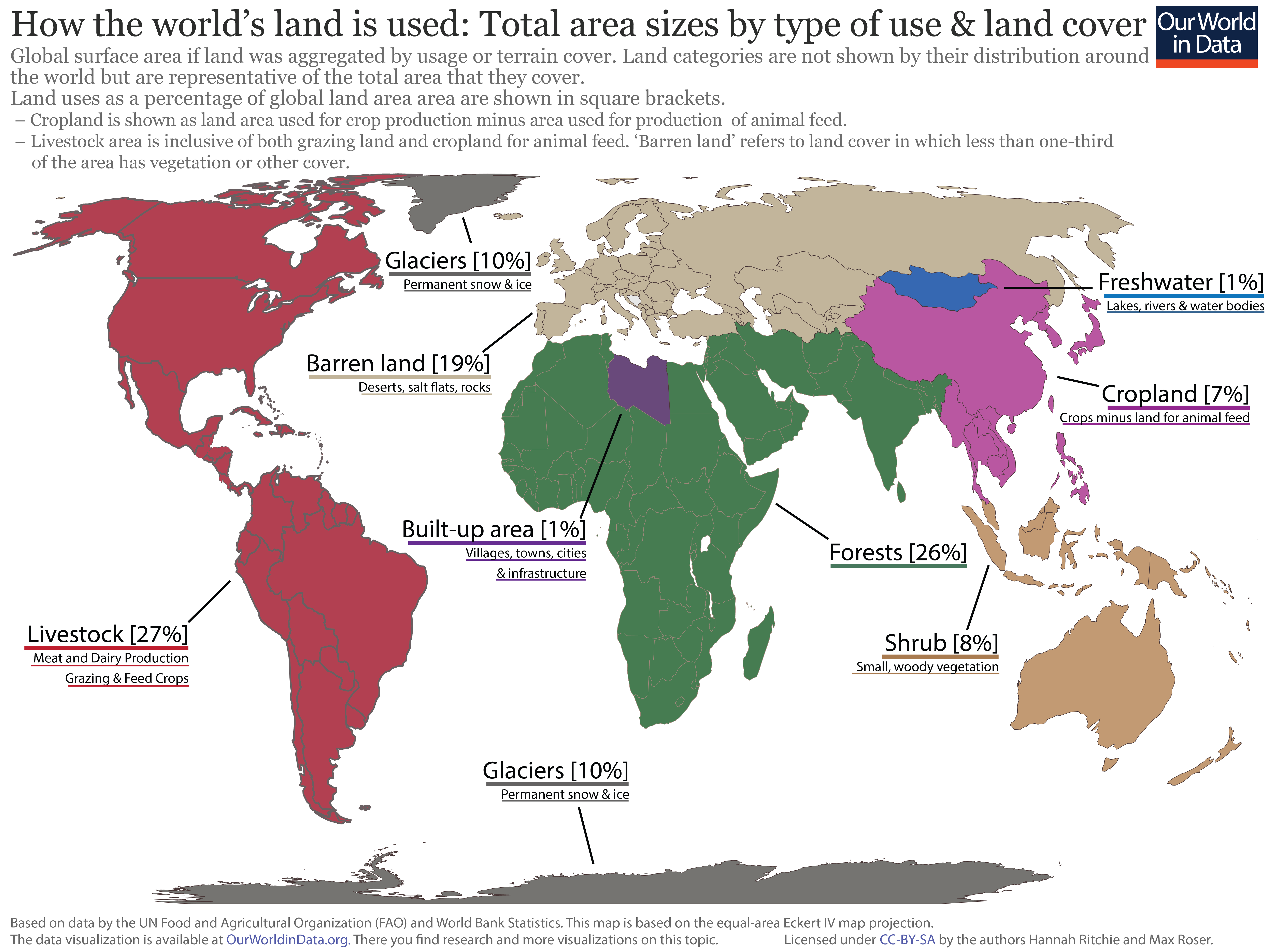
Methane can come from the animals themselves or from the decomposition of manure, but meat production is also a major driver of climate change. Deforestation to clear land for grazing — often by setting huge fires — means the planet has fewer trees to absorb greenhouse gases. Fires started to clear areas of the Amazon rainforest now mean that it is producing more carbon dioxide than it absorbs. Over a quarter of land in the world is used to house or grow food for livestock.
Keep reading the journalism that powers our mission
Register free to continue and learn more about the stories, campaigns and the support we provide, helping people facing poverty across the UK.
In a study released last year, the UK Government’s Committee on Climate Change (CCC) said people should reduce their meat consumption by nearly 90 per cent for beef, 66 per cent for pork and 63 per cent for lamb if the country is to have hope of hitting its net-zero targets in 2050.
Is eating less meat good for your health too?
Brits’ appetite for meat is “unsustainable”, according to the latest instalment of the National Food Strategy, both for the climate and for the good of public health.
Red meats in particular are high in saturated fat, while 85 per cent of Britain’s farmland is used for feeding livestock. Farming groups have committed to reaching net-zero emissions by 2040, but masses of natural resources are still used to rear food which can ultimately be detrimental to wellbeing.
Households across the UK should cut their meat consumption by 30 per cent within ten years in order to boost wellbeing and protect the nation’s food supply, according to the Henry Dimbleby-led strategy, though the report ruled out strict policies such as a meat tax in favour of “nudges” towards plant-based alternatives.
Ditching meat and dairy for vegetarian and vegan meals can reduce diseases such as diabetes, heart disease and some cancers, according to the CCC, which is also crucial for the nation to protect itself against future pandemics.
What can I eat instead of meat?
Cutting out meat entirely without replacing it with foods which give you the same nutrients and energy can be a risk.
But plant-based options such as chickpeas, pulses, nuts and tofu are high in protein and, alongside a well-balanced diet of plenty fruit and vegetables, will mean you aren’t going without the vitamins you need.
The Department of Health and Social Care recommends adults eat no more than 70g of red or processed meat per day, which is the equivalent of roughly three slices of ham. One in five people in the UK eat meat for every meal, research commissioned by Quorn showed earlier this year.
If a diet overhaul seems daunting, going meat-free just one day per week can cut a person’s meat consumption by 15 per cent – already halfway to the National Food Strategy recommendations.