In pictures: Meet the farmers in Pakistan who are rebuilding their homes after devastating floods
Islamic Relief worked with photographer Khaula Jamil to reveal the realities of the lives of farmers devastated by flood in Pakistan
by: Khaula Jamil
19 Jun 2026
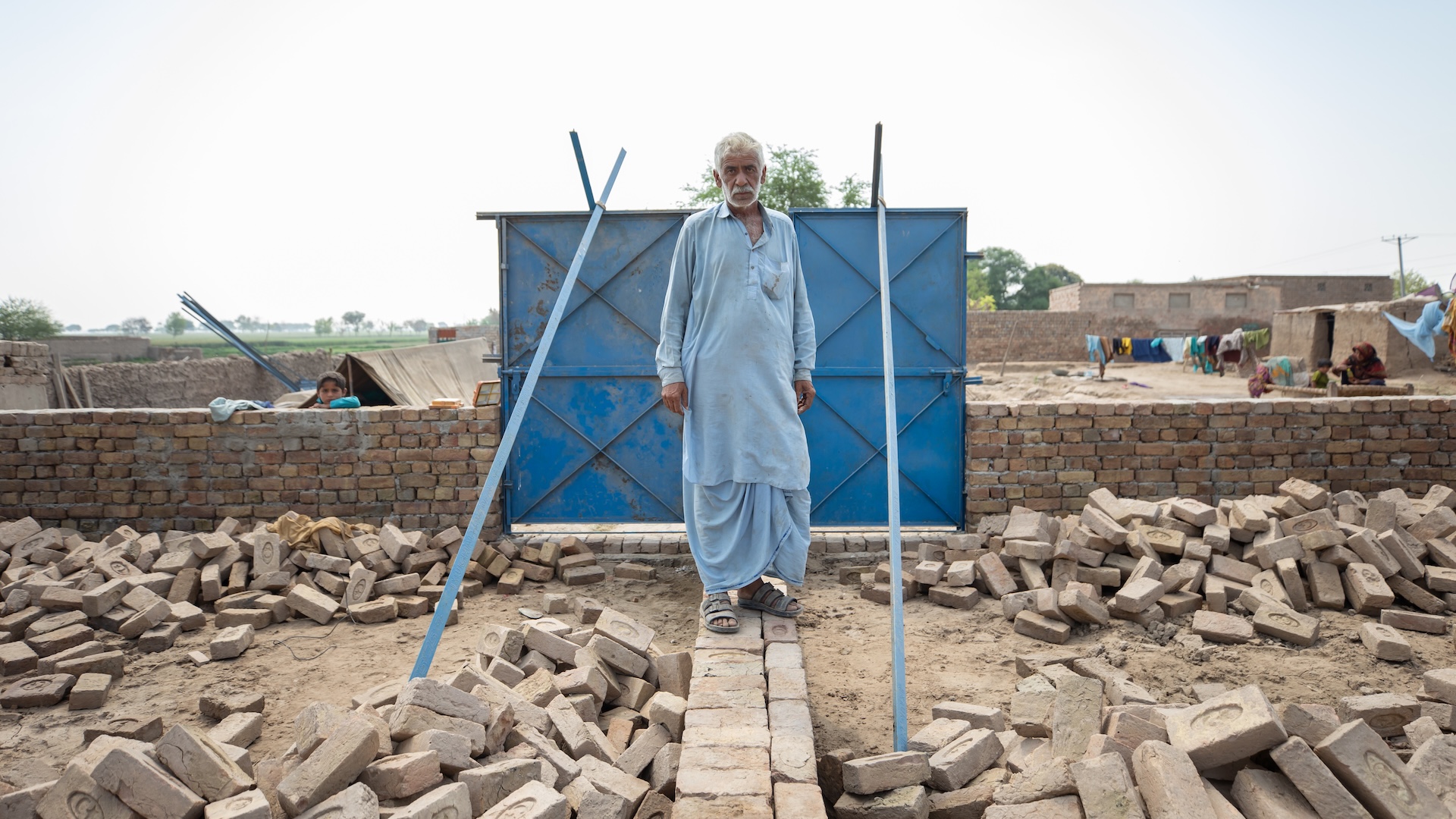
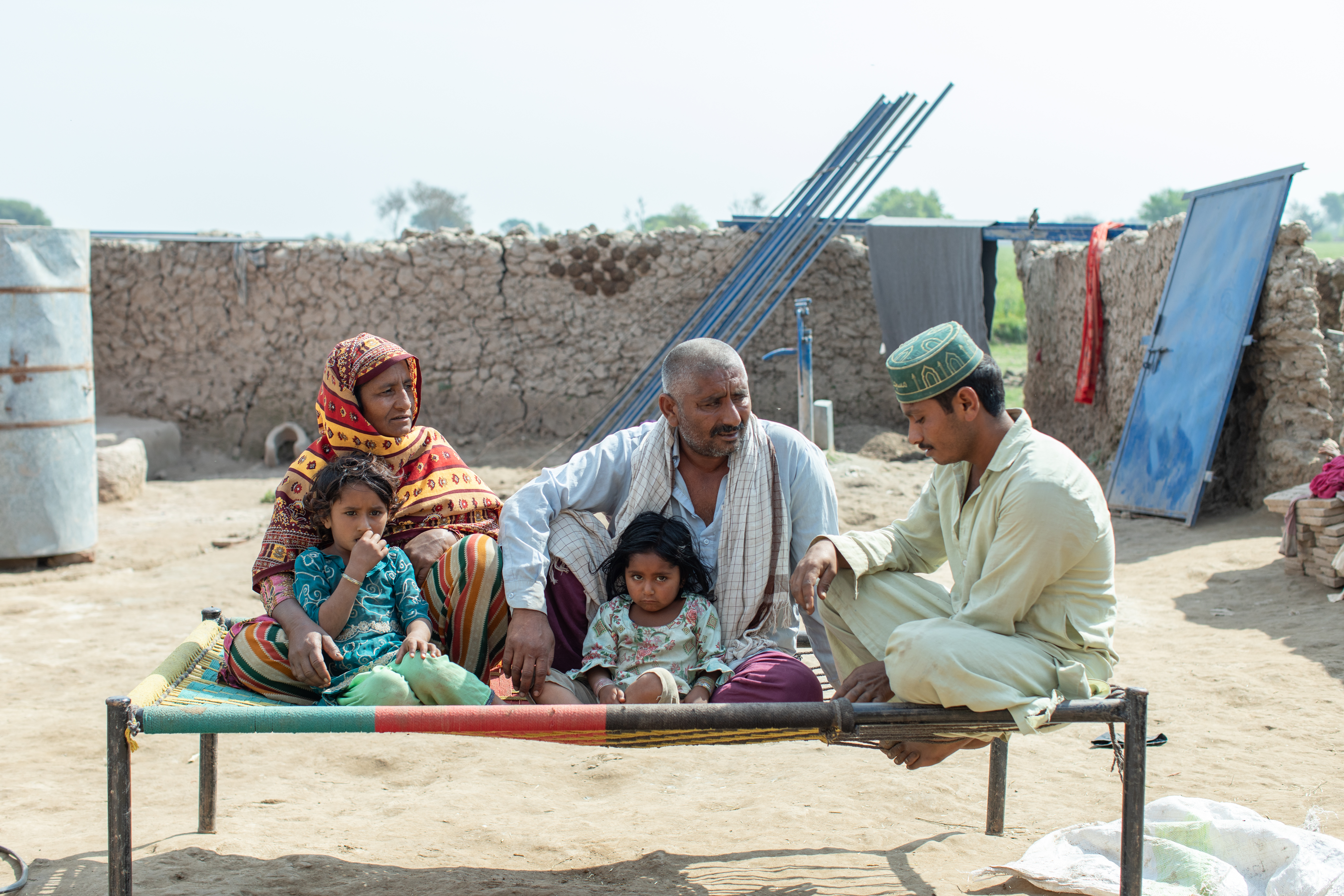
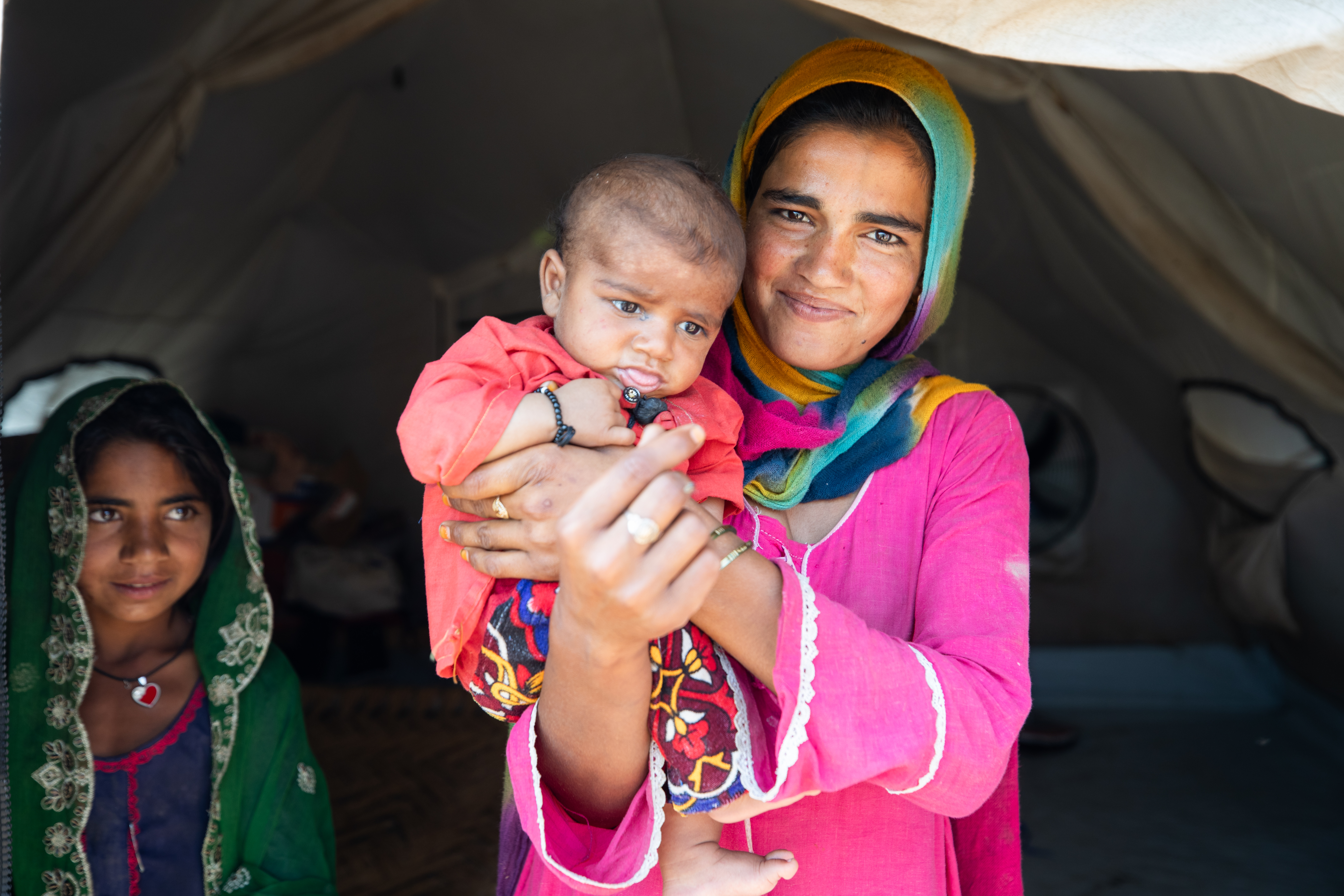
Floods destroyed much of Ghulam Qasim's house and wiped out the livestock and farmland that once supported the family. Image: Khaula Jamil
Share
The climate crisis is leading to the threat of floods being felt in the UK and across the world. Farmers in parts of Punjab in Pakistan are already feeling the effects – they are rebuilding their lives after the province witnessed the worst riverine flood in over 40 years in September 2025.
According to United Nations OCHA reports, 8,400 villages were inundated and an estimated three million people were displaced and while many returned to their homes by December 2025, a long-term humanitarian crisis emerged in the aftermath.
Based on the reports by the Ministry of Planning and Development, the national economic loss from the 2025 floods is estimated at Rs 822 billion (roughly £6.4bn).
Islamic Relief worked with photographer Khaula Jamil to show the realities of these farmers’ lives.
Image: Khaula Jamil
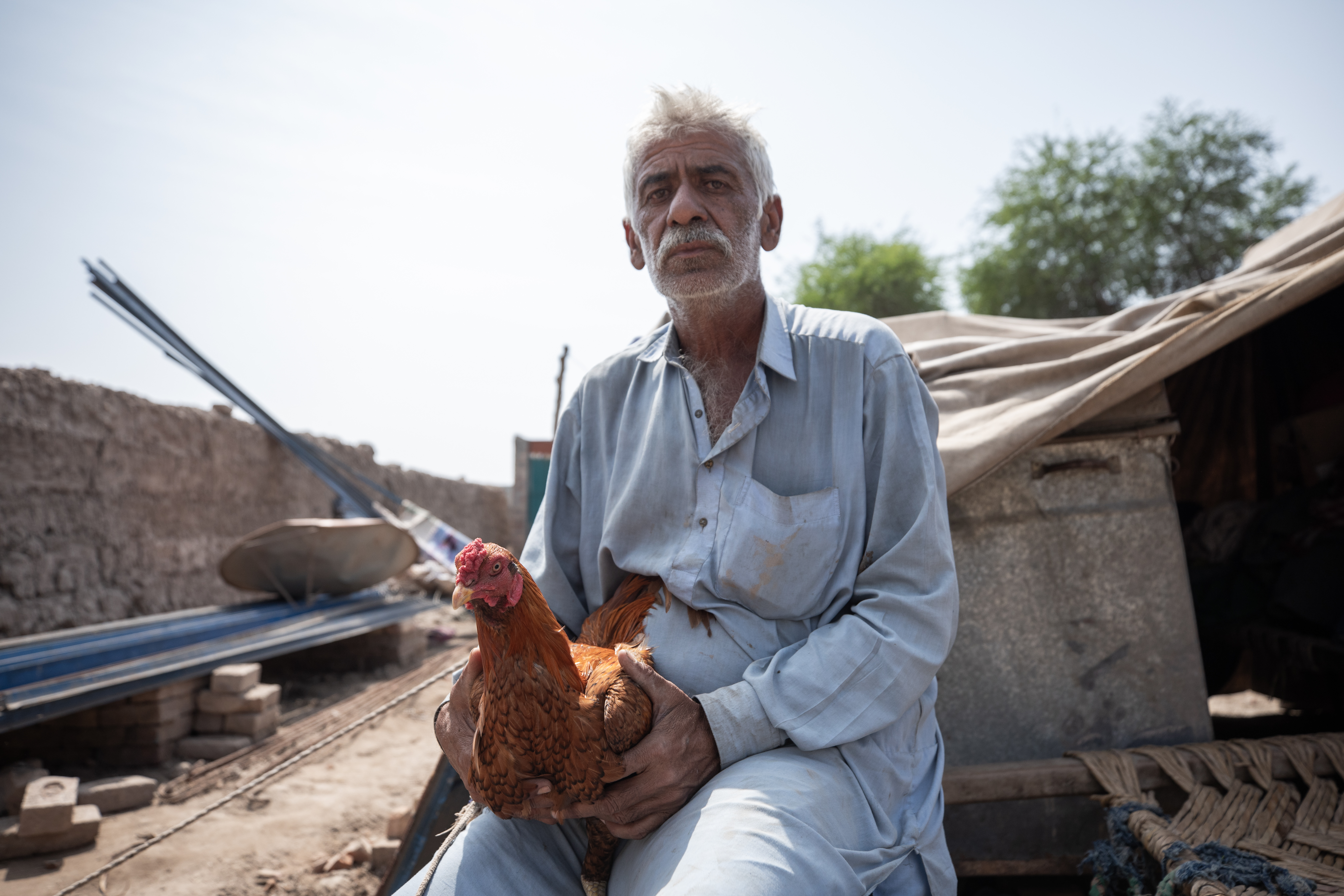
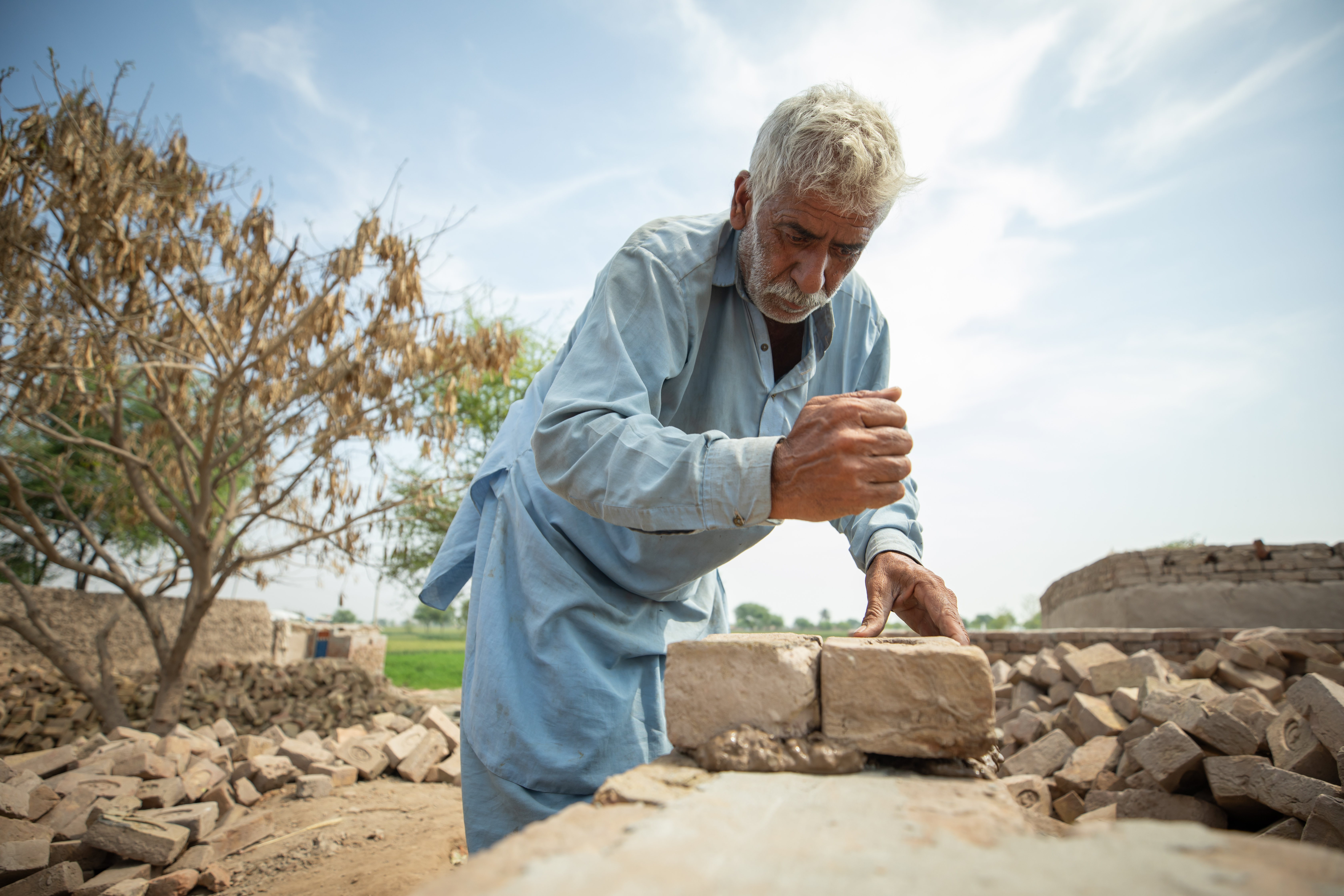
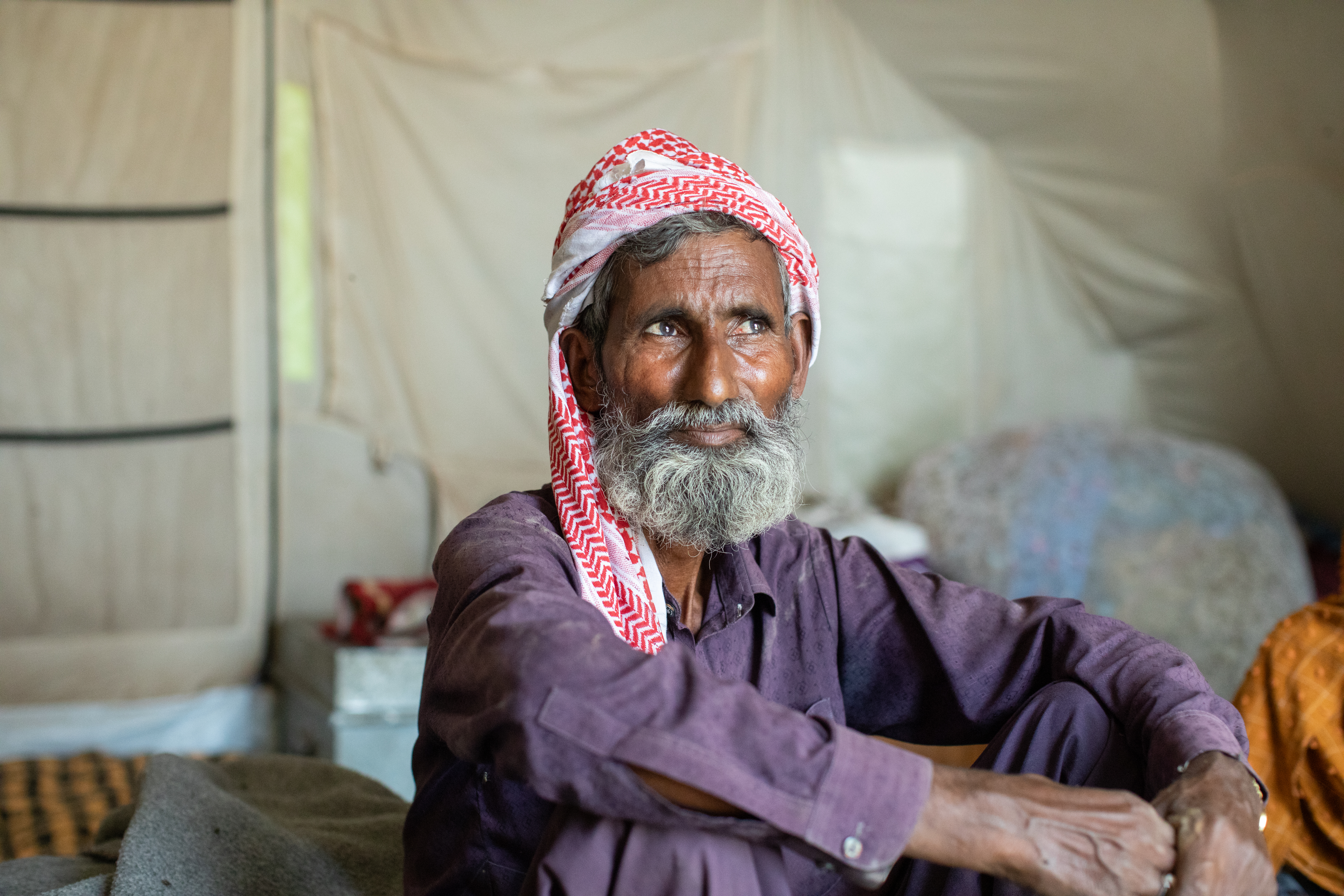
Ghulam Qasim, 50, and his wife Nasreen, 43, couple live with four of their children and three grandchildren after floods destroyed much of their house and wiped out the livestock and farmland that once supported the family.
Unable to farm, Qasim now works as a daily wage labourer, taking whatever work he can find to support his family.
Advertising helps fund Big Issue’s mission to end poverty
Advertising helps fund Big Issue’s mission to end poverty
Before the floods, Qasim also raised chickens – 25 purebred birds known locally for their fighting quality – and sold their eggs for additional income.
Only two survived the floods and the family’s diet has changed drastically.
“We used to cook about one kilogram of meat every ten days,” he says.
Keep reading the journalism that powers our mission
Register free to continue and learn more about the stories, campaigns and the support we provide, helping people facing poverty across the UK.
“Before we had cows that gave us milk, chickens that gave us eggs and land that gave us wheat – now we have none of that. I still work as a labourer, but all my assets are gone.”
Image: Khaula Jamil
The family fled to safer ground and stayed away from their village for about a month.
When they returned, they found their house destroyed and many belongings missing.
“There was about ten feet of water standing here,” Qasim says. “Our three rooms were gone and many of our things had been stolen.”
Since then, Qasim has been slowly rebuilding the house using whatever money he can spare. Construction often stops when the family runs out of funds.
Image: Khaula Jamil
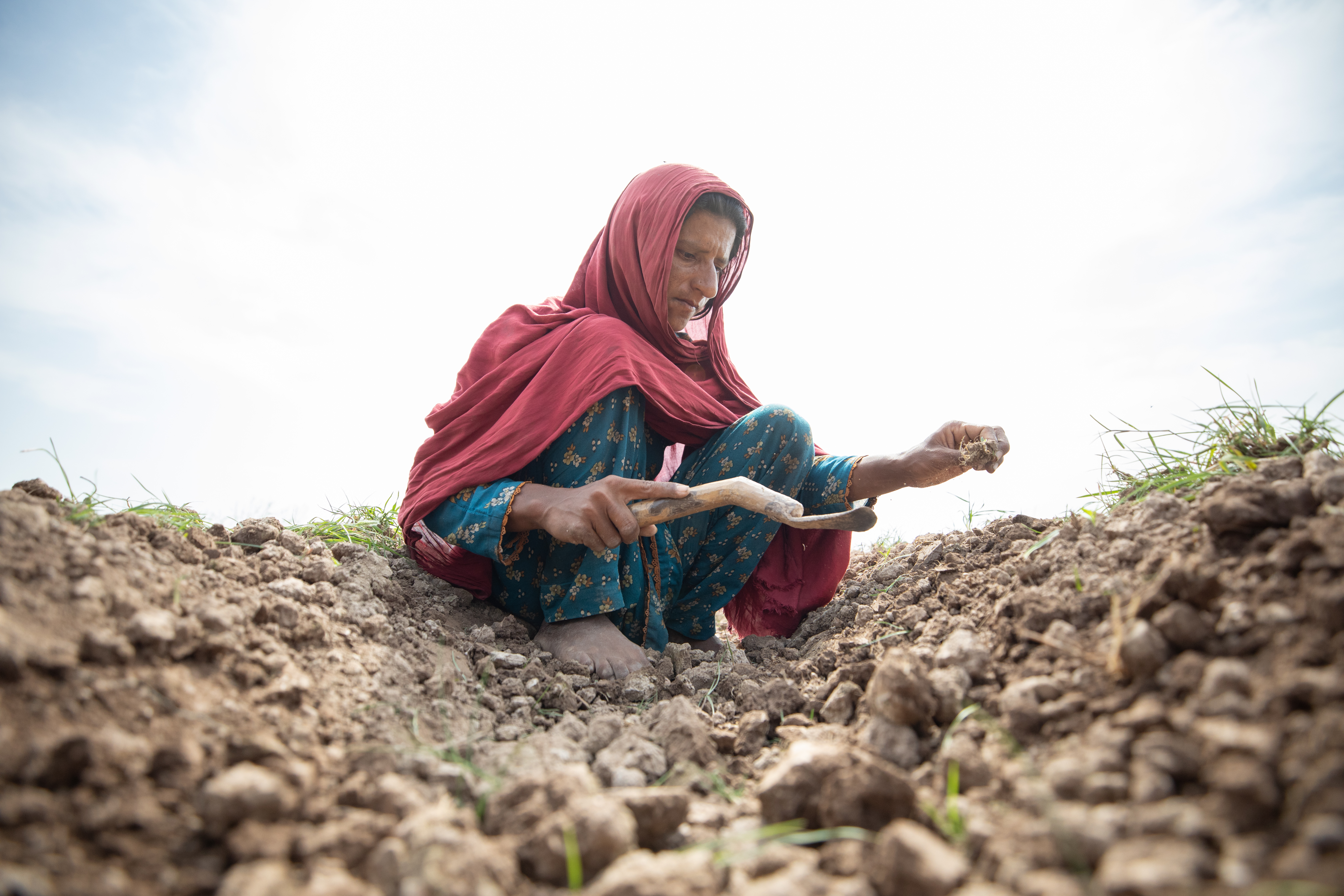
Javed Iqbal, 50, has farmland in Kothi Mor near Jalalpur Pirwala in southern Punjab, Pakistan. The farmer says years of financial losses followed by severe floods have left him struggling to rebuild his livelihood.
Before the floods, Iqbal cultivated around two acres of land, growing crops such as cotton, chillies and watermelon.
“I can’t even calculate the loss. My brain is not working,” he says.
Image: Khaula Jamil
Meals depend on what the family can afford. Common dishes include potatoes, pumpkin, ridge gourd and potatoes with peas.
Meat is rarely eaten, sometimes only once every two to six months.
The family still has a small supply of wheat stored from before the floods, but Javed says it will last only about another month.
“Sometimes we eat once a day, sometimes twice,” he says.
“We manage somehow.”
Iqbal and his wife Haseena Mai, 40, now live with their three children; a 12-year-old son, a 10-year-old daughter and an eight-year-old son, in the temporary shelter provided by Islamic Relief.
Image: Khaula Jamil
Muhammad Zahid, 40, lives in Basti Doli near Alipur in southern Punjab, Pakistan. He has nine children and says the floods that swept through the region destroyed their crops, damaged their home and pushed the family into debt.
Two rooms of the family’s house were destroyed when floodwaters tore through the village. “The walls broke and swept away,” Zahid says. “We ran to a safe place, but when we returned weeks later, many of our things had been stolen.”
“We used to have so much from our own agriculture before the floods,” Zahid says. “But this Ramadan we cannot grow anything.”
Zahid can no longer cultivate his own land because much of it remains waterlogged after the floods. Instead, he now works as a labourer on other people’s fields when work is available.
Livestock losses have worsened the family’s situation. Eight of Zahid’s goats died after the floods due to illness.
The loss of the cotton crop left Zahid with debts of around 70,000 rupees (£187) that he is still struggling to repay.
Image: Khaula Jamil
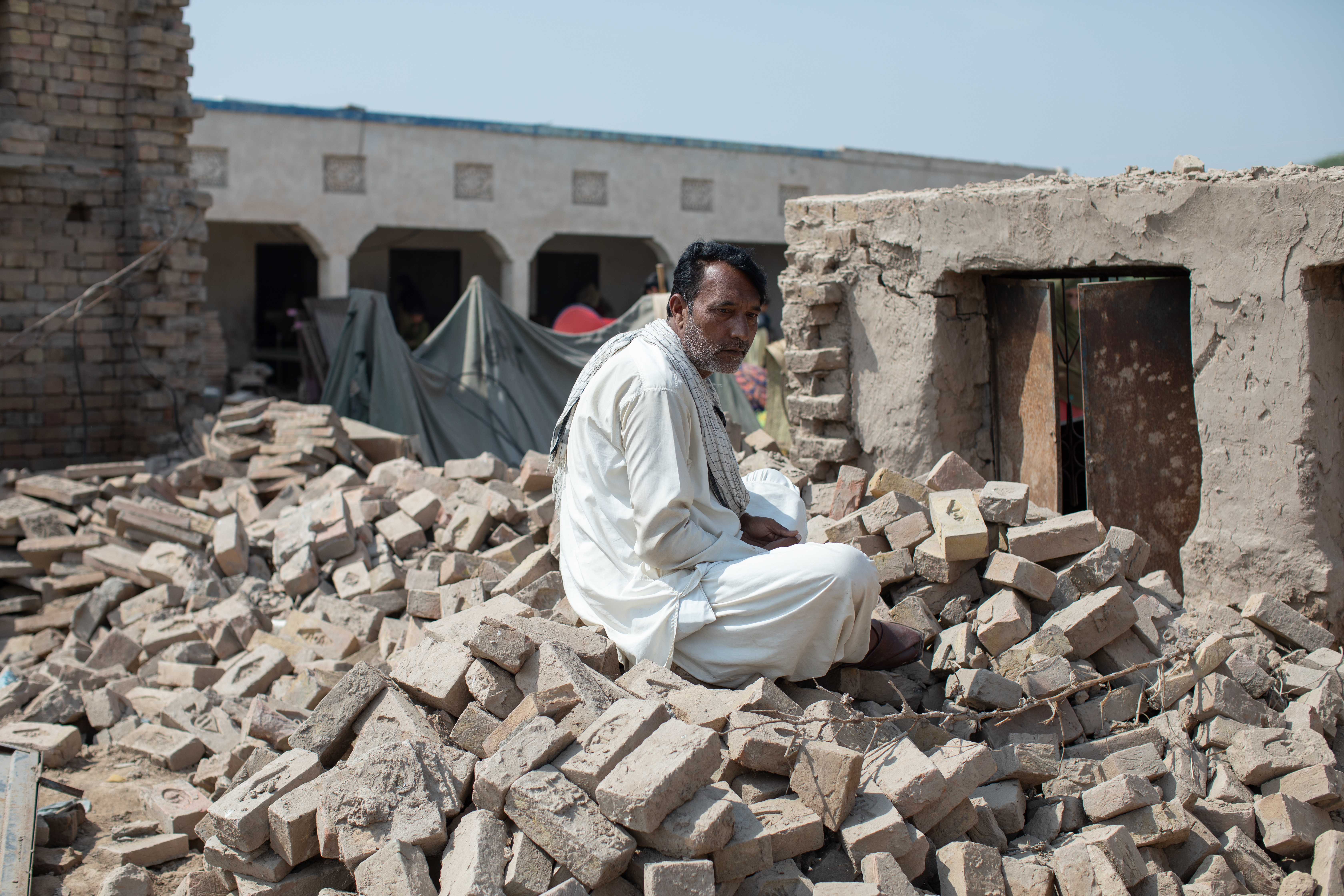
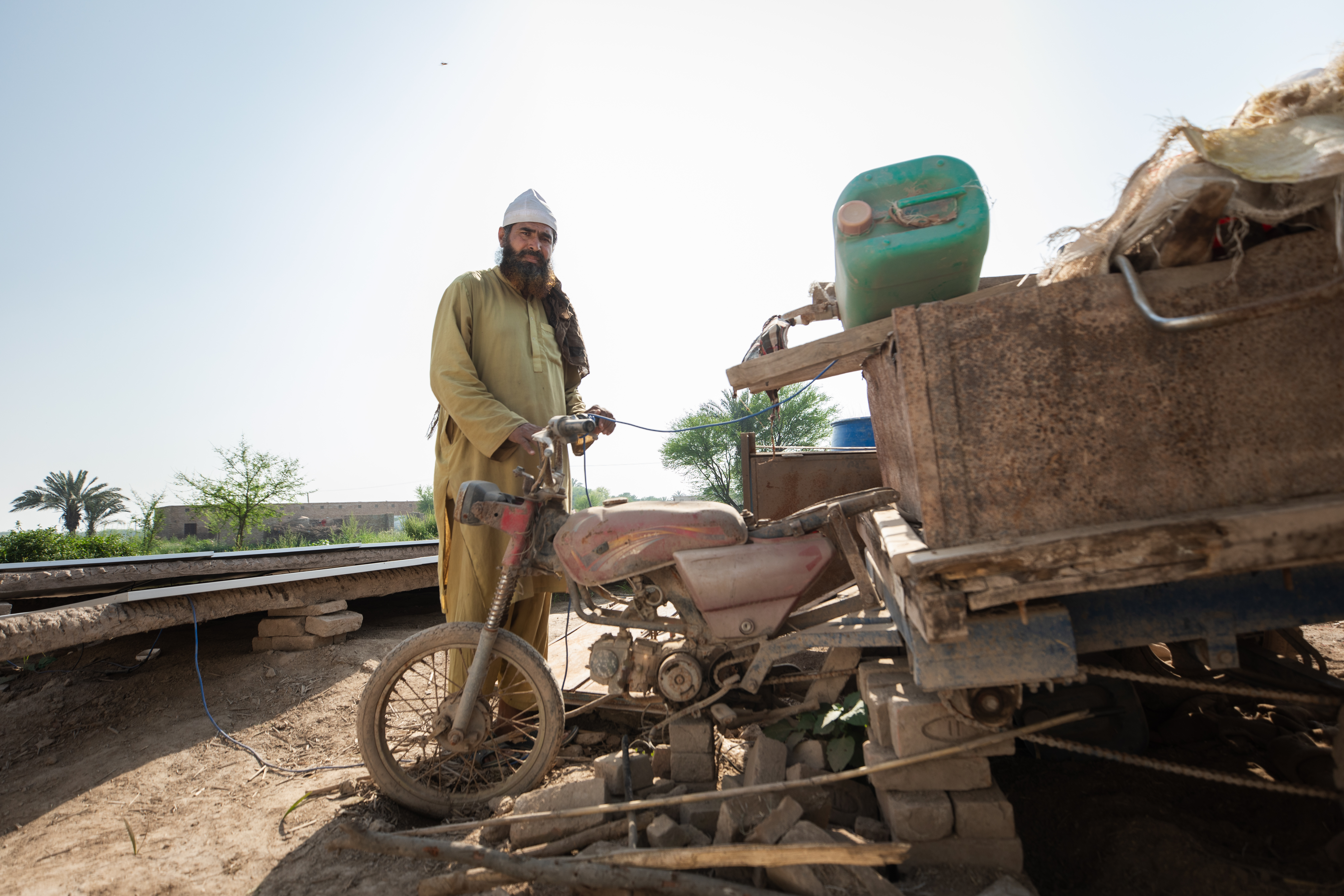
Munir Hussain, 55, stands beside the remains of his home in Kothi Mor near Jalalpur Pirwala in Multan district. The mud house where he had lived since 2015 dissolved in the floodwaters.
“Because it was made of mud, none of the organisations believe me when I say it disappeared in the water,” Munir says.
“Three bedrooms were gone.”
Image: Khaula Jamil
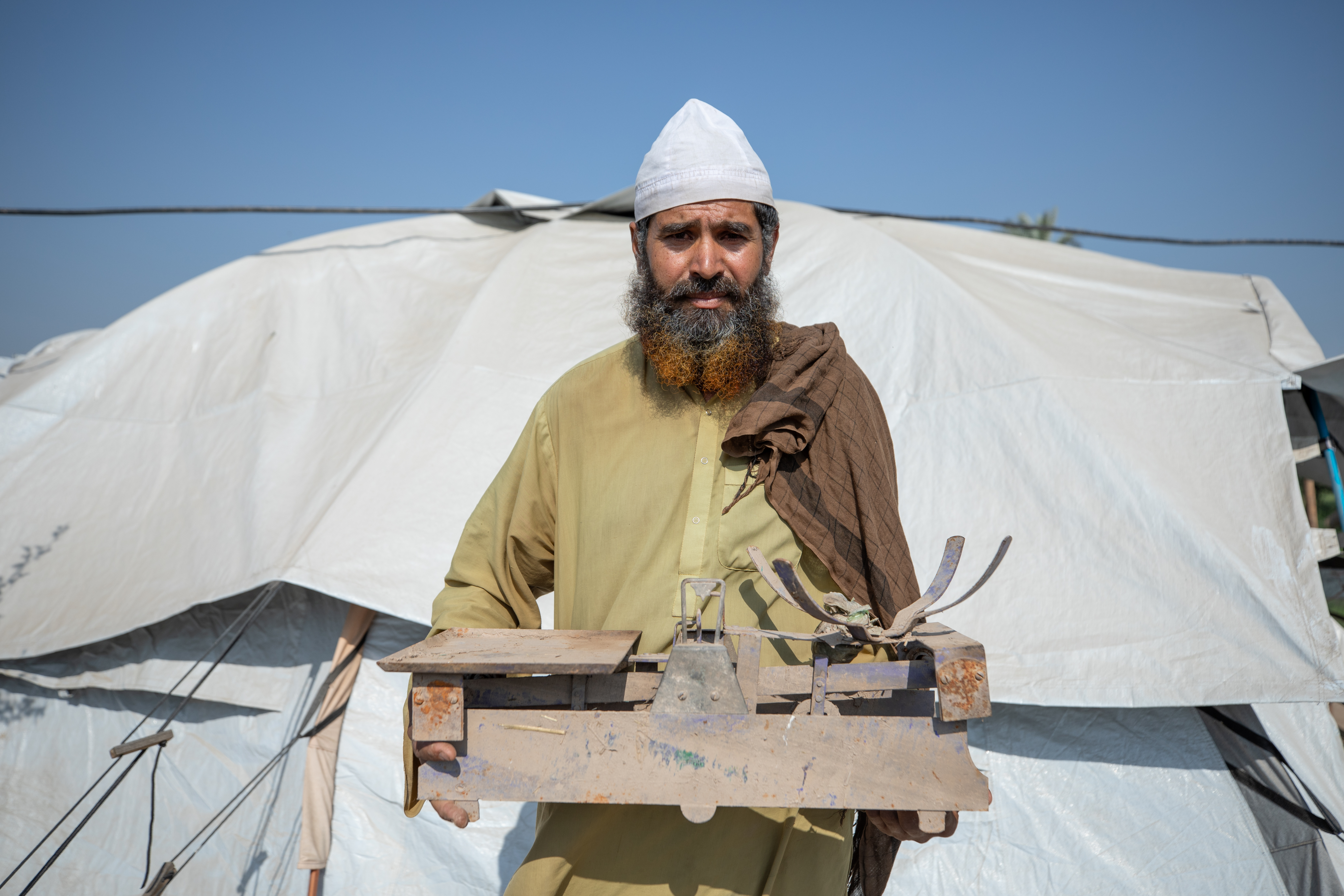
Before the floods, Munir earned a living selling vegetables from a rickshaw cart in local markets.
The rickshaw was destroyed in the floods, wiping out the business he had built after years working abroad in Saudi Arabia and Yemen to save money.
He also farmed rented land and operated a small seasonal sugarcane juice cart, both of which were lost in the disaster.
Image: Khaula Jamil
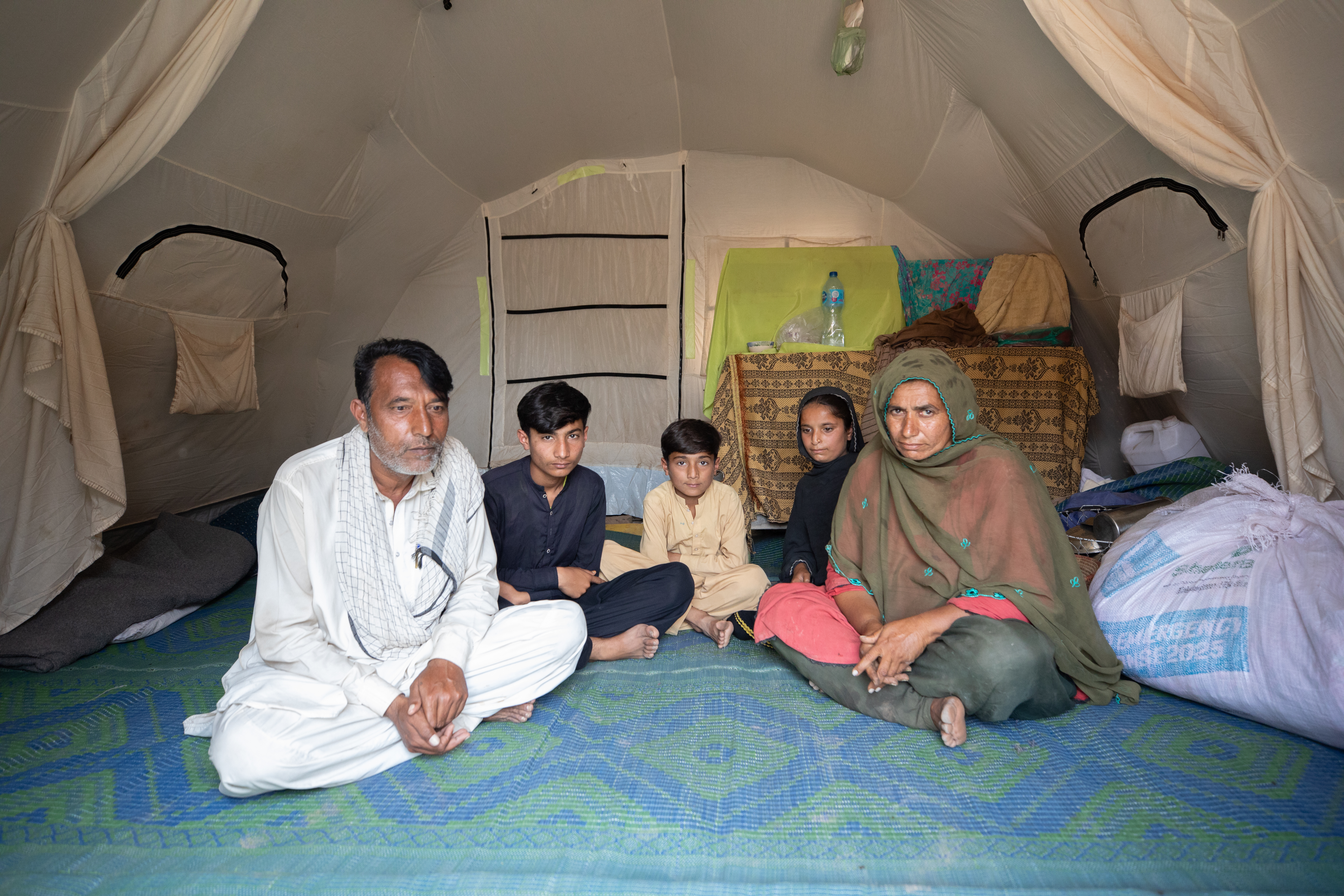
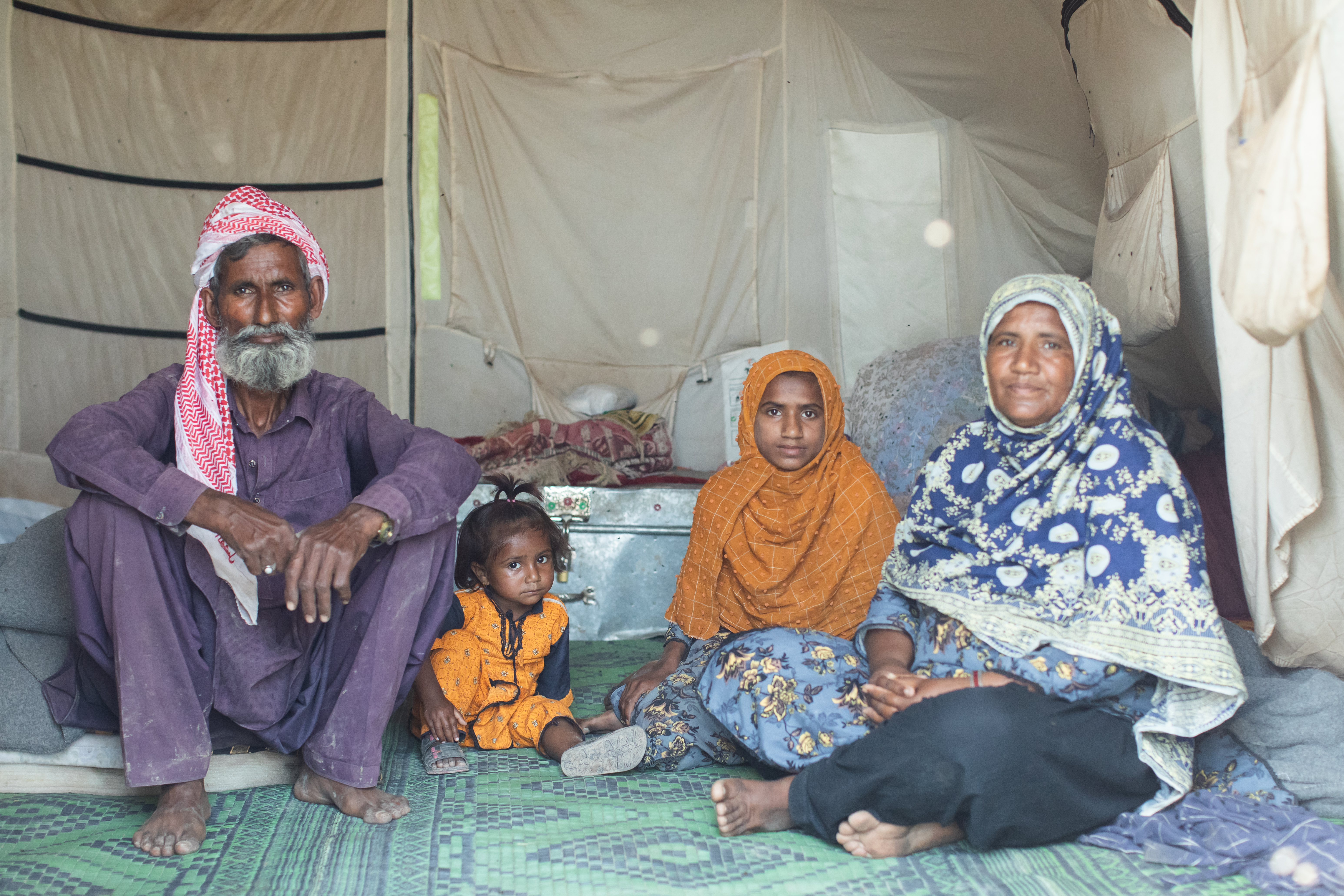
Rab Nawaz, 70, and his wife Naseem, 55, sit in a tent where their home was with their two children in Shirin Moizaa near Jalalpur Pirwala in southern Punjab, Pakistan.
Floodwaters rose to nearly 20 feet here, destroying much of their house and belongings. When the water receded, only a single latrine remained standing.
With their home submerged, the family spent two months living with relatives before returning to the damaged property. Much of what they owned – including stored wheat and household goods – had been lost to the floodwaters.
Image: Khaula Jamil
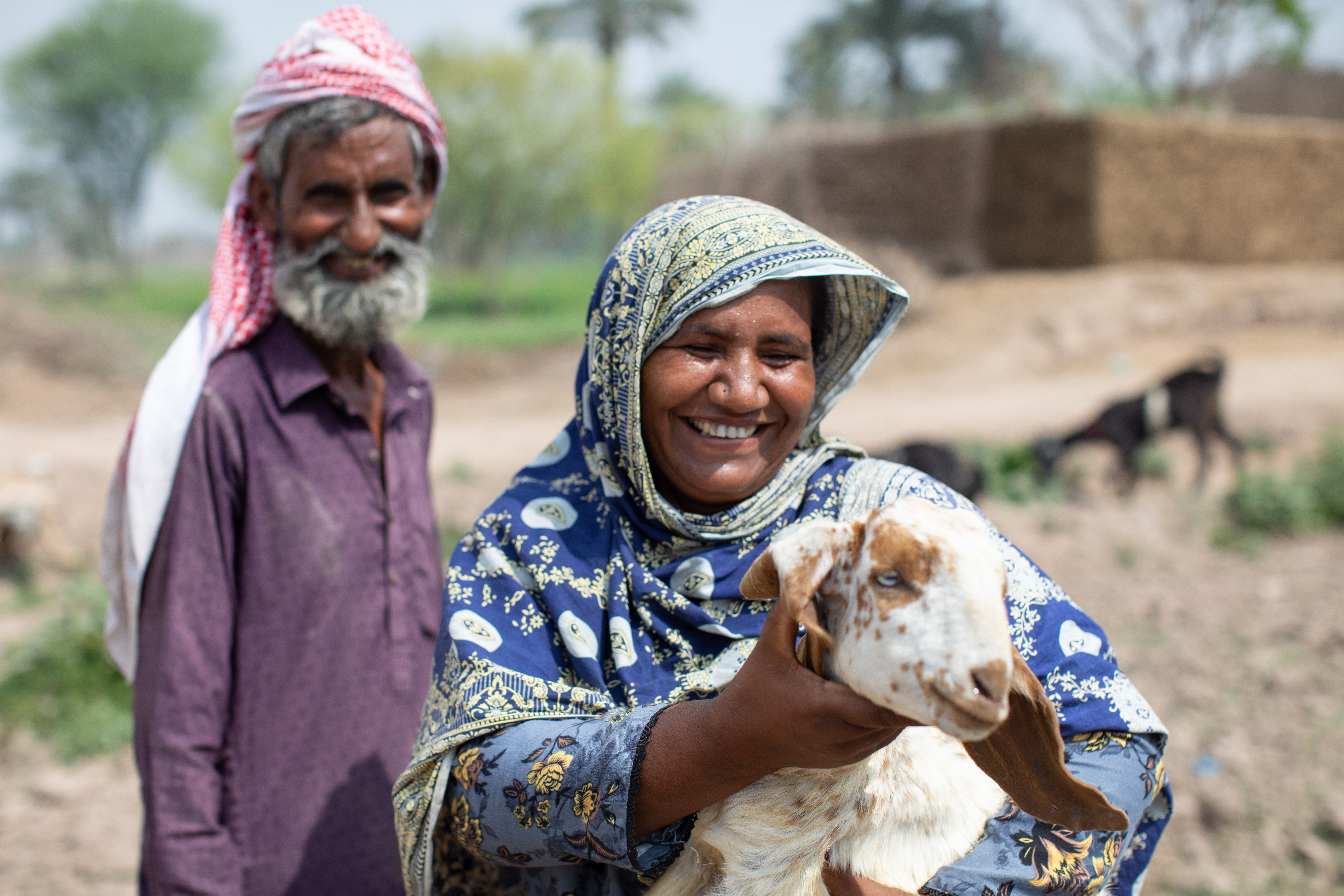
Before the floods, Rab Nawaz earned a living driving a bullock cart transporting goods between nearby villages. After the disaster, he sold his bull for 150,000 Pakistani rupees to help the family survive, ending the work he had relied on for years.
Image: Khaula Jamil
His wife, Naseem, says the floods also destroyed dowry items she had slowly prepared over many years for her future daughters-in-law. “Everything was washed away, except the Quran which we kept on top of our closet” she says.
Livestock losses added to the family’s hardship. Five of the twenty goats they owned died after falling sick in the weeks following the floods.
“Thank God, majority of them were saved.”
Image: Khaula Jamil
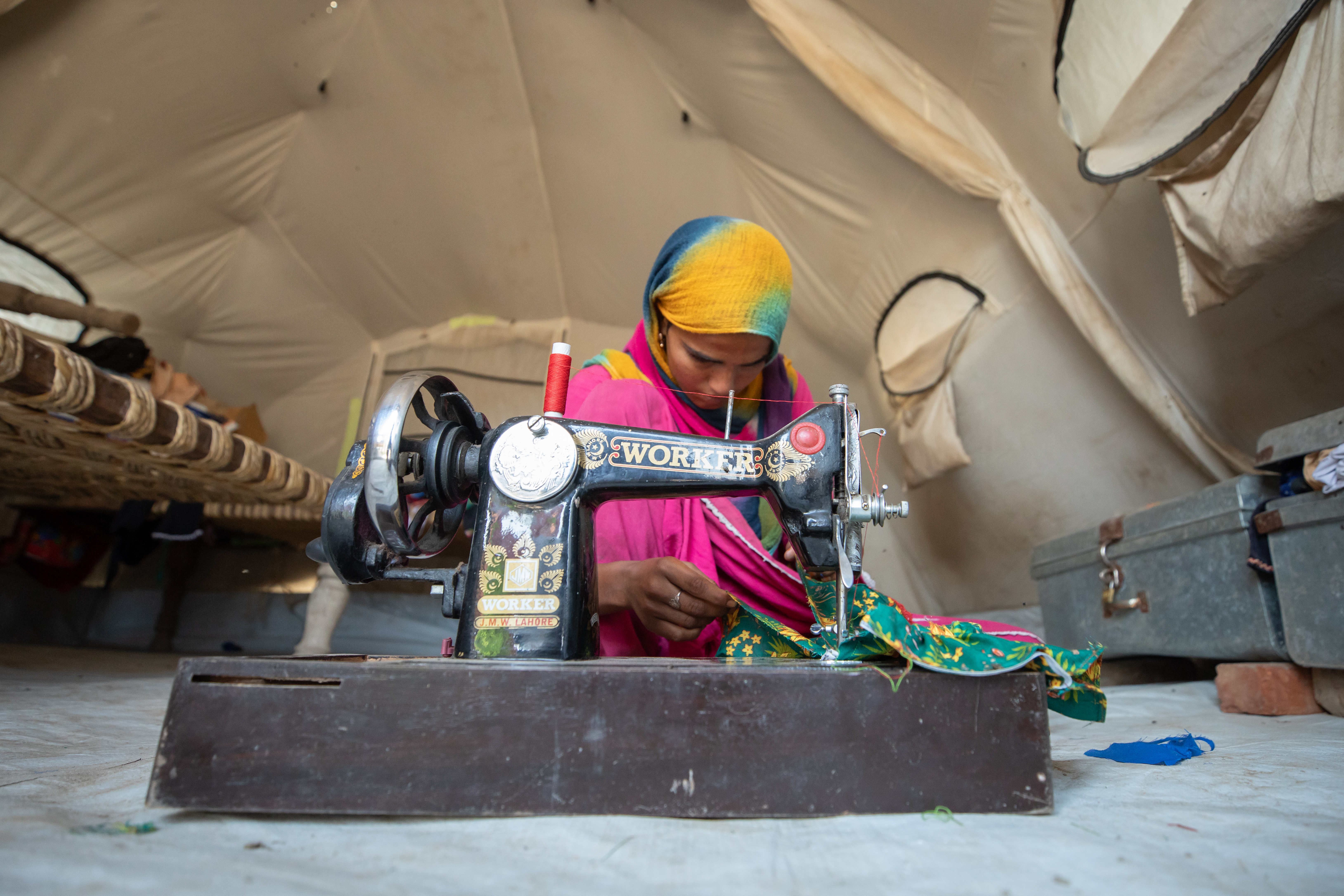
Shazia, 24, began learning tailoring from a maternal aunt to help support the household. Her husband Sagheer, 38, owns about one acre of farmland, but the floods left behind a thick layer of silt that has turned the once fertile soil into a barren landscape.
He bought Shazia a sewing machine for 14,500 rupees from a nearby city so she could begin stitching clothes. “She manages to earn about 200 to 300 rupees occasionally,” Sagheer says. “That helps us buy basic groceries.” Shazia works on the sewing machine while caring for the household and six young children, including a newborn baby.
Image: Khaula Jamil
Shazia works on the sewing machine while caring for the household and six young children, including a newborn baby.
The floods also washed away food supplies the family had stored.
“I had about 50,000 to 60,000 rupees worth of wheat stored that would have lasted us three months,” Sagheer says. “Even that is gone.”
The losses pushed the family into debt. Sagheer says he now owes more than 150,000 rupees even though he sold his cow to pay a lot of it off, “everyone lost something, obviously I have to pay pack those who helped me…”
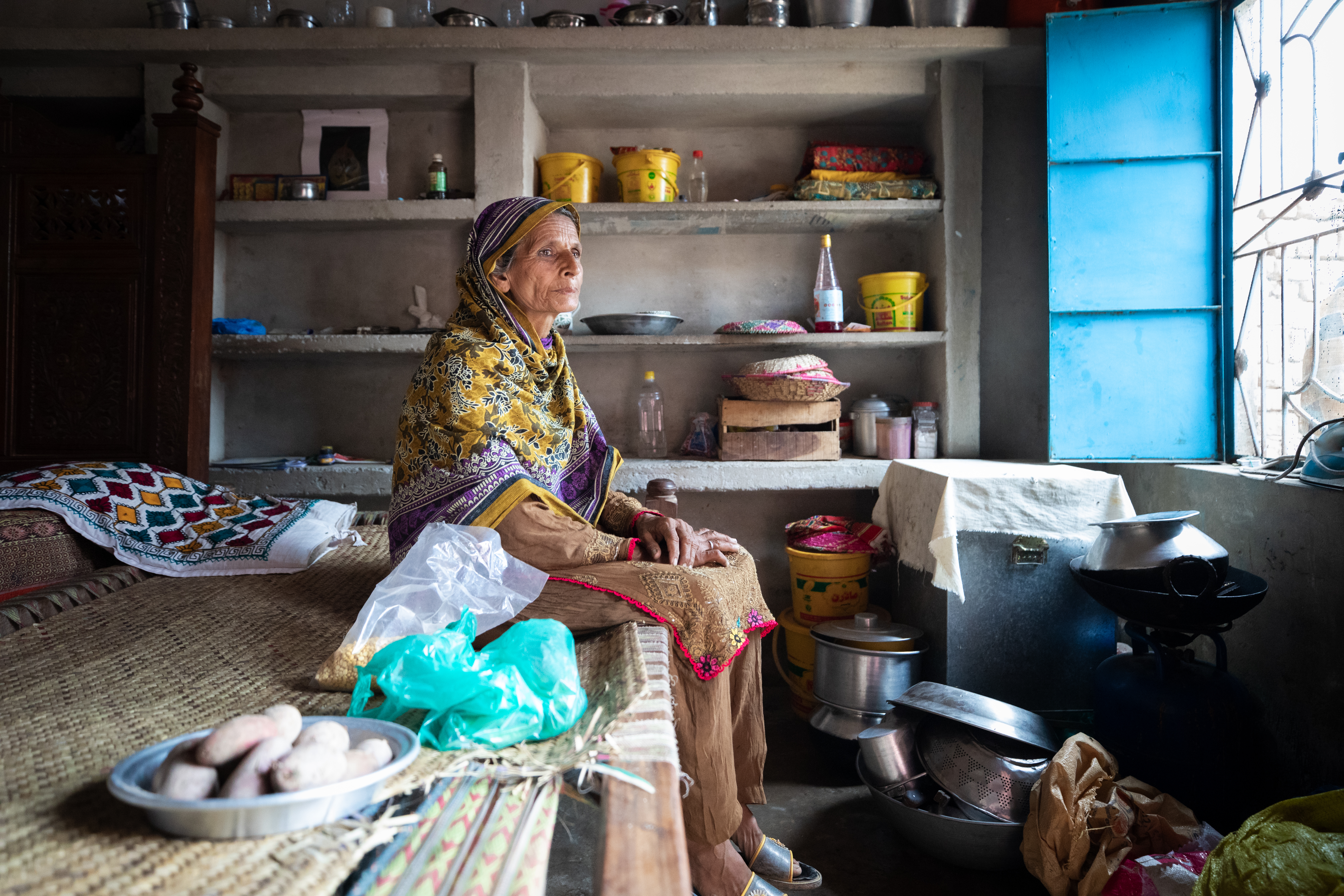
A widow raising six children, 55-year-old Said Bibi says the years since her husband’s death and the destruction caused by recent floods have left her under constant stress.
“I look old because of stress,” she says.
Floodwaters swept through the village in September 2025, forcing Said Bibi and her family to evacuate by boat along with other residents.
When they returned two weeks later, about two feet of water still covered the ground and their home had collapsed.
Livestock losses deepened the financial blow.
Three goats drowned in the floodwaters and another male goat later died.
The goats had been purchased just a year earlier for around 100,000 rupees, representing a major investment for the family.
Image: Khaula Jamil
Since her husband’s death, Said Bibi has relied largely on her children to help support the household. Her eldest son, 25, lives separately and does not contribute financially.
Two of her daughters, aged 22 and 20, work in nearby agricultural fields picking crops, 8 hours a day in the heat even during Ramazan while fasting, for around 400 rupees a day when work is available.
Before the floods, the family’s meals often included lentils, vegetables and occasionally eggs, along with dishes made from cauliflower, potatoes, pumpkin and ridge gourd.
Their chickens drowned in the floods, making eggs unavailable and unaffordable.
Meals now consist mostly of vegetables such as carrots, cauliflower, potatoes and peas when they can afford them.
Buy from your local Big Issue vendor every week – and always take the magazine. It’s how vendors earn with dignity and move forward.
You can also support online: Subscribe to the magazine or support our work with a monthly gift. Your support helps vendors earn, learn and thrive while strengthening our frontline services.
Thank you for standing with Big Issue vendors.
Advertising helps fund Big Issue’s mission to end poverty