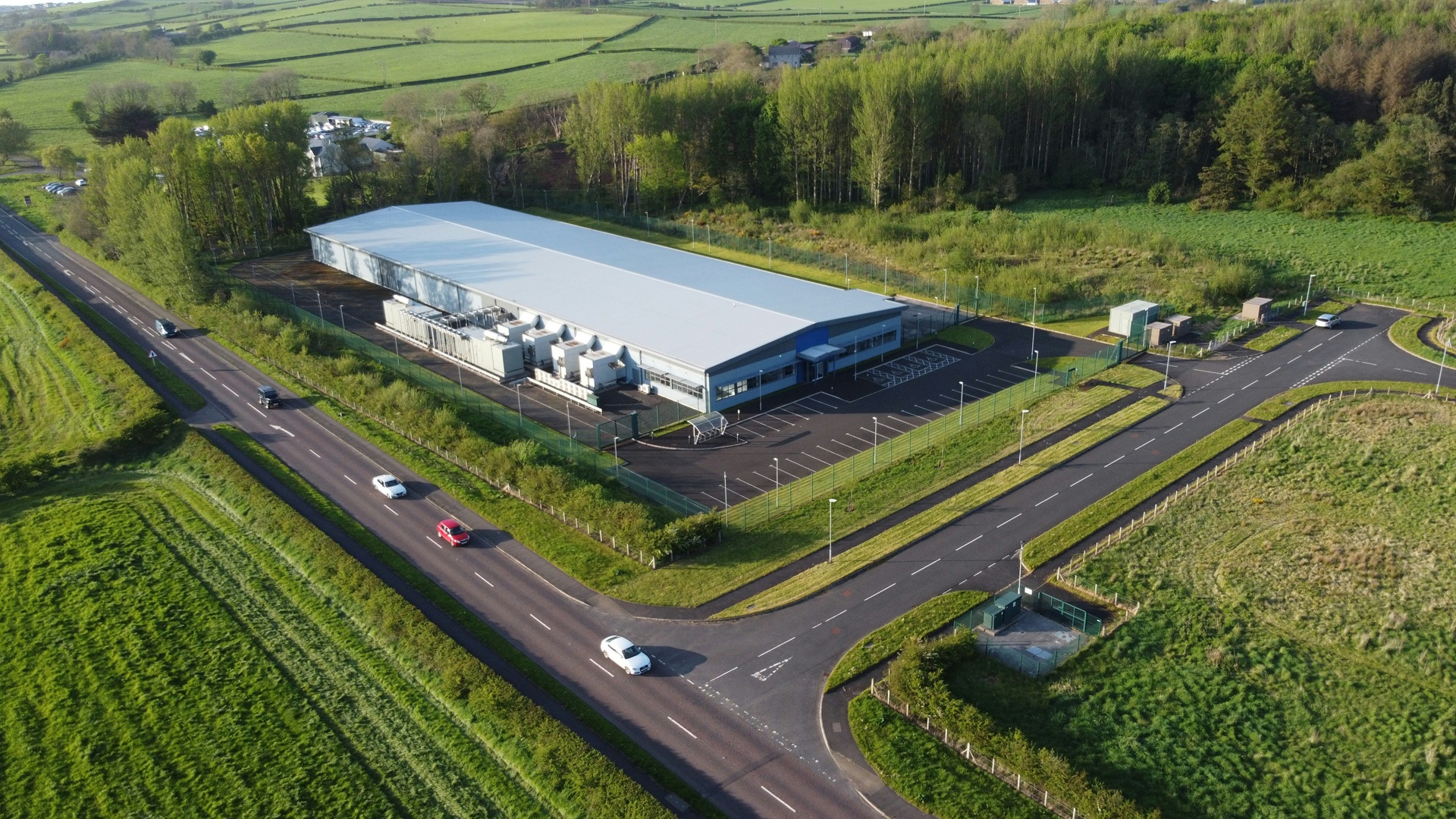
“Recent Ofgem analysis highlights an unprecedented surge in demand connection applications, far exceeding even the most ambitious forecasts,” the report reads.
Mayor Sadiq Khan said that data centres are “critical infrastructure,” and that energy demands will have to be met alongside housing plans.
“The energy requirements of data centres are colossal, so delivering their expansion at pace alongside London’s other infrastructure needs will require more coordinated planning,” he said.
Keep reading the journalism that powers our mission
Register free to continue and learn more about the stories, campaigns and the support we provide, helping people facing poverty across the UK.
There are currently 26 data centres in the pipeline in the city. Campaigners warn that they shouldn’t be prioritised over housing.
“The mayor is right to highlight the ‘colossal’ energy demands of gigantic new data centres and the serious consequences this will have for everything from our climate to our ability to build desperately needed new homes in London,” said Donald Campbell, director of advocacy at Foxglove.
Campbell called on the mayor and the UK government to veto data centres that “cause harm to the places where we live, or drain the resources we all depend upon,” adding that any costs should be “fully borne by the colossally wealthy Big Tech companies which are driving the boom in data centre construction – neither Londoners, nor the planet, should be left to foot this massive bill.”
Advertising helps fund Big Issue’s mission to end poverty
The new report says demand for data centres is “high,” but warns that competition for grid connections is already intense in various parts of the city, and that scarcity of land is compounding the problem – with London’s industrial land vacancy rate sitting at just 3.9%.
“High land costs and competition with housing and other industrial sectors make most plots in inner London and zone 2/3 challenging,” the authors write, adding that this may push new data centre development “towards the edges of London”.
The report also raises the prospect of a trade-off over water supply, warning that if data centre growth outpaces forecasts, potable water “cannot be increased in line with the increase in demands from new residential housebuilding as well as the rapid increase in data centres” – meaning “one will need to be prioritised over the other”.
These findings echo warnings issued a few years ago by the Greater London Authority. In 2022, the GLA wrote to developers warning that it might have to pause housing developments in three west London boroughs – Hillingdon, Ealing and Hounslow – due to a lack of grid capacity. That pause never materialised, but a report released late last year found that data centre construction could delay housing delivery in future.
“London is at a critical moment, with energy capacity becoming a real constraint on both housing delivery and wider economic growth,” said James Small-Edwards, chair of the London Assembly Planning and Regeneration Committee, at the time.
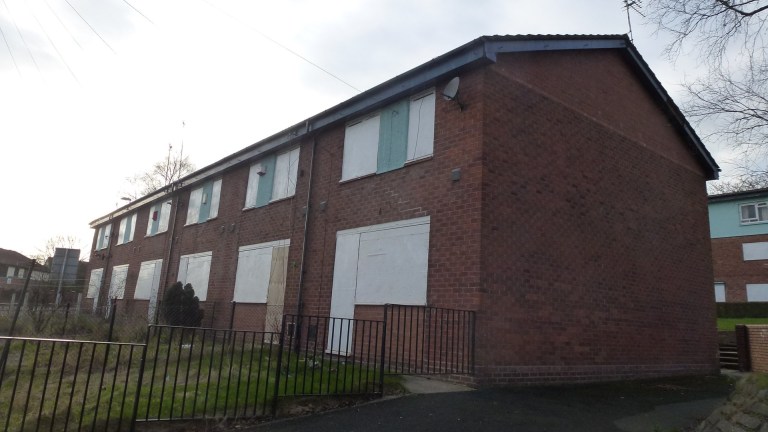
London already has some of the worst housing waiting lists in the country. Around 340,000 households are waiting for social housing, according to the most recent figures, and around 183,000 Londoners – equivalent to at least one in 50 residents – are currently homeless and living in temporary accommodation.
Advertising helps fund Big Issue’s mission to end poverty
Khan and the GLA have said that they want London to be the centre of green data centre construction, promising that it won’t conflict with housing. National Grid has already pledged nearly £3bn investment in London over the next five years to upgrade the capital’s energy network.
“We support data centres in the right locations, where they deliver real value for residents, meet high standards on sustainability and can support economic growth,” said councillor Monica Hamidi, Ealing Council’s cabinet member for good growth. Ealing is one of the boroughs where data centre construction is fastest. “That includes commitments to renewable energy, low-impact cooling technologies and making better use of waste heat – for example through district heating networks.”
But Oliver Hayes, head of campaigns at Global Action Plan, questioned the climate credentials of green data centres.
“Data centres are being built faster than wind and solar, which means fossil fuels are filling the gap. Worse still, many developers want to power data centres by burning gas on site – a terrible outcome for London’s air as well as the climate,” he said.
“So the mayor is right – a holistic approach is essential. But it must be rooted in the imperative of slashing climate pollution and meeting Londoners’ fundamental needs. Doing so will mean saying no to many data centres, however keen they are to cash in on the AI goldrush.”
Change a vendor’s life.
Advertising helps fund Big Issue’s mission to end poverty
Buy from your local Big Issue vendor every week – and always take the magazine. It’s how vendors earn with dignity and move forward.
You can also support online: Subscribe to the magazine or support our work with a monthly gift. Your support helps vendors earn, learn and thrive while strengthening our frontline services.
Thank you for standing with Big Issue vendors.