Advertising helps fund Big Issue’s mission to end poverty
News

Lord John Bird urges local authorities to invest in their communities

The Big Issue founder blasted austerity and outlined the importance of social echo as he spoke in the House of Lords

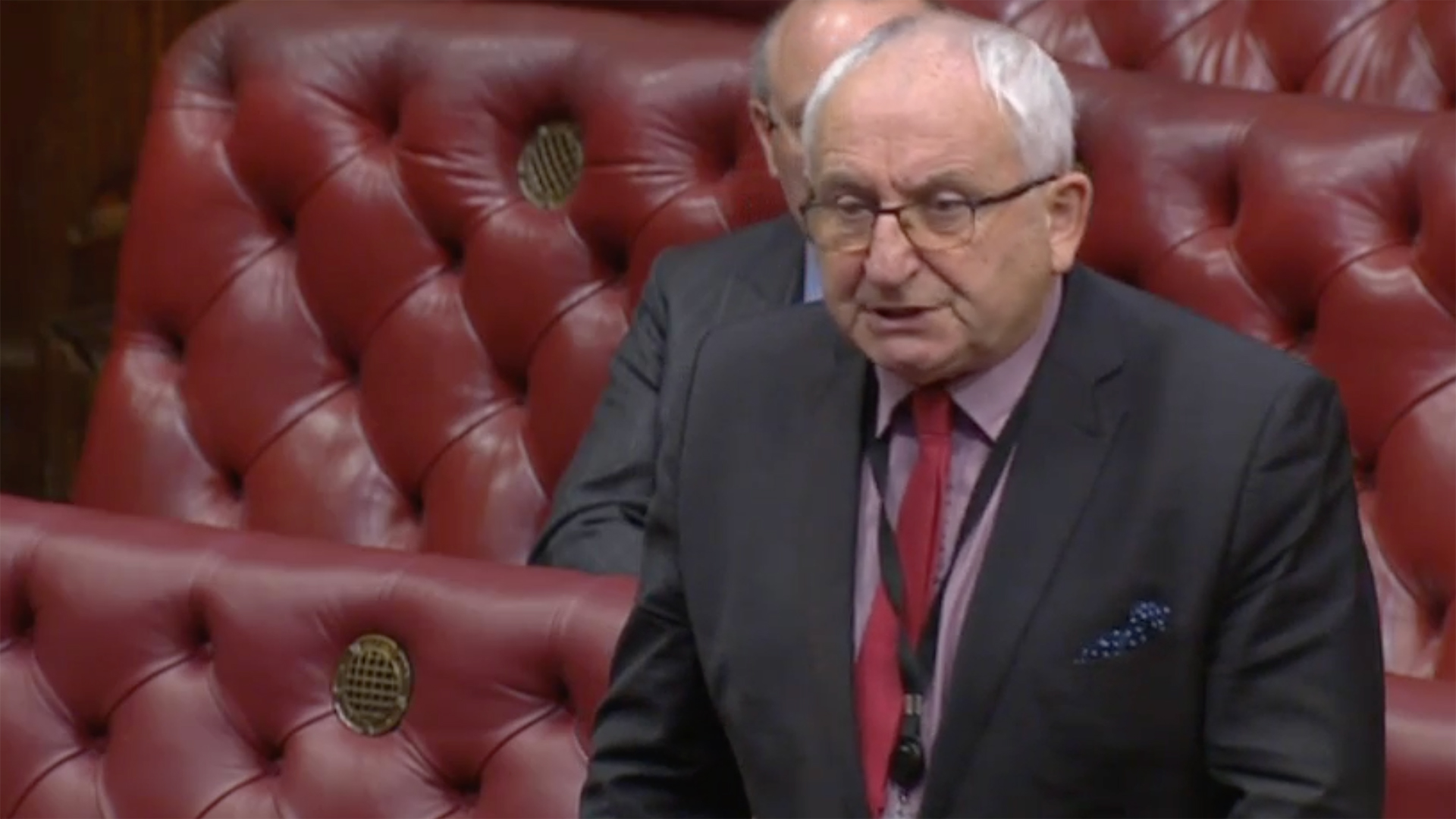
John Bird House of Lords 2019

“I have to declare an interest. I am a product of the generosity of the taxpayer, who put a shedload of money into me. They had to do that because in the first instance, they didn’t spend a whole lot on me.”

The Big Issue founder Lord John Bird has told the House of Lords that local authorities are “finding themselves increasingly called upon by the community”, and that smart investment will deliver benefits further down the line.

He emphasised the importance of local services – including libraries, having led The Big Issue’s campaign #WhyBooksMatter – in providing for vulnerable and disadvantaged people in the wake of austerity.

“Whenever we talk about local authority, we are talking about how we deal with the people who have failed in life. The people who end up homeless, the people who have gone through domestic violence.

“These kinds of people who were caught out end up at the doorstep of local authority.”

Lord Bird pointed out that the House of Lords spends 2.4 per cent of its budget on libraries, while local authorities spend less than one per cent of their budgets on the same.
Advertising helps fund Big Issue’s mission to end poverty

“Why is it that it’s so important for this house? Why is it that the government doesn’t say you’re spending too much on your libraries? Because they know that it’s essential to the running of things.

“What libraries do is create what I would like to call mental wealth. Which means wellbeing, opportunity, and all the other things that bring people out of the mire and into opportunity.”

Speaking as a crossbencher, Lord Bird expressed concern that local authorities are under huge pressure as a result of austerity measures. “We know well that in the days of the 2010 coalition there was an attempt to use ‘big society’ as a way of lifting, as a cover for local cuts.

“But we have to admit, with figures of 49 per cent, that austerity has hit local authorities and stopped them from being able to provide for the libraries or those people who were caught out in an emergency.”

He added that delaying investment is to the detriment of communities and often results in local government having to spend more at a later date. “You need a shedload of money for austerity, and most of us cannot afford austerity. It is too expensive.”

Referring to the Big Issue-held social trading conference ‘How to Create a Social Echo’ held in Northampton last year, the first of its kind, he reiterated his mission to “stitch communities together while taking the weight off local authorities” and to fight poverty.

Advertising helps fund Big Issue’s mission to end poverty

Do you know how Big Issue 'really' works?

Watch this simple explanation.

Recommended for you

View all
Revealed: One in every 21 people sentenced over 2024 riots was experiencing homelessness
Anti-immigration protesters confront riot police in Manchester in 2024 riots
Homelessness

Revealed: One in every 21 people sentenced over 2024 riots was experiencing homelessness

How social media is changing politics: 'I slid into his DMs and told him not to balls this up'
Andy Burnham, Nigel Farage and Keir Starmer
Politics

How social media is changing politics: 'I slid into his DMs and told him not to balls this up'

In the occupied West Bank, a child is killed every week. When did that become acceptable?
UNICEF UK CEO Dr Philip Goodwin visited the community of Um El Kheir Village south of the WB with UNICEF State of Palestine, meeting children and hearing about the challenges they face
Dr Philip Goodwin

In the occupied West Bank, a child is killed every week. When did that become acceptable?

If food prices had risen like rents since 1988, a block of cheese would cost £20
A grocery shop
food

If food prices had risen like rents since 1988, a block of cheese would cost £20