Access to Work is the government’s flagship scheme designed to help disabled people stay in employment. Grants cover costs beyond reasonable workplace adjustments, including specialist equipment, support workers, interpreters and travel. Around 75,000 people currently receive support through the scheme.
But since early 2024, Acess to Work recipients have reported huge cuts to grants at renewal stage. Big Issue has spoken to a blind NHS psychologist and a deaf council worker – among others – who have suffered sudden, unexplained cuts.
Meanwhile, the scheme has been beset by delays: the average application processing time surged nearly fourfold over the four years to November 2025.
Keep reading the journalism that powers our mission
Register free to continue and learn more about the stories, campaigns and the support we provide, helping people facing poverty across the UK.
The DWP has pledged to reform the system, recently hiring 500 new staff to deal with applications. New manpower can’t come soon enough: in June, the House of Commons’ Public Accounts Committee found evidence of delays at every stage of the Access to Work process.
Disabled advocates have also accused the service of stealth cuts: the proportion of rejected applications rose by more than 12% in 2024-25, and by another 22% between April and October 2025-26.
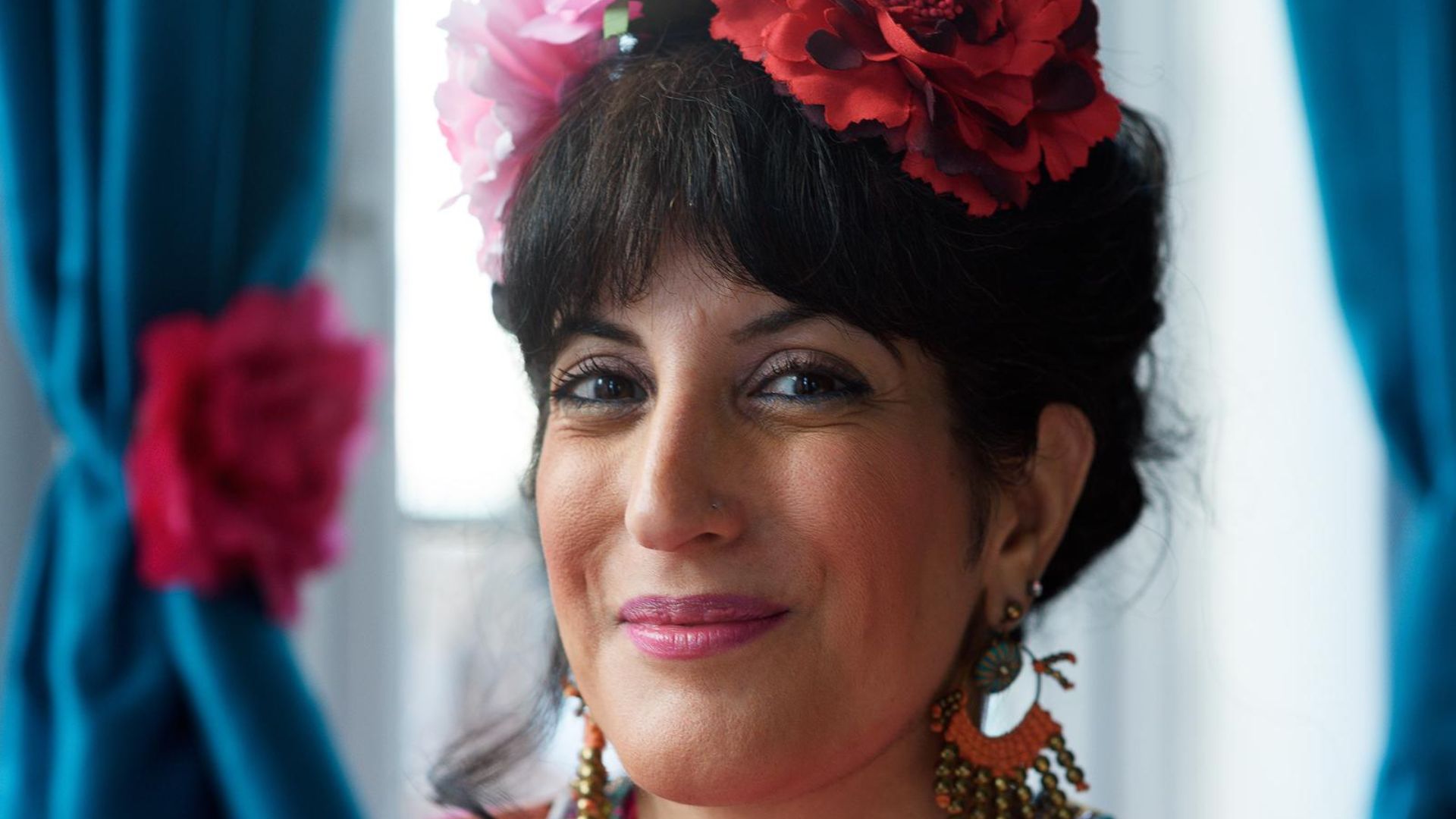
Arora’s own support has been cut from 45 hours to 20 per week, with the hourly rate for the role reduced from £30 to £17.50. Her job aide has been removed completely – she told Big Issue this amounts to tens of thousands of pounds of cuts.
The timing could hardly have been worse. In the same month she learned her Access to Work award would be cut, Arora secured two of the biggest achievements of her career: funding from Arts Council England and a prestigious Peggy Ramsay Foundation Award to develop The Burgundy Book. The musical is based on her accident and recovery but the funding is for the production, not for her own support worker.
“We’ve got a world-class team working with us to create this enormous publicly funded project,” Arora said. “The government has given with one hand and taken with the other in the same month.”
“They’ve slashed it based on an arbitrary error… They made a massive error about the amount of hours I work in the week.”
Read more:
The reduction leaves her unable to pay the experienced support workers she relies on. She has appealed the decision, but says the process has been agonising.
“You’ve made a massive error, and you’re not willing to correct the error,” she said. “Then you put me through weeks, if not months, of hell. It is hell.”
Without the support, she fears not only for the future of The Burgundy Book, but for her entire career.
“I’m watching my peers worry about rehearsal schedules and their next commissions,” she said. “And I’m staring down the barrel of: will I ever be on stage again?”
During the assessment process, Arora says she was also told there was a move towards using AI and other technology in place of some human support. She believes that fundamentally misunderstands what she needs to do her job.
“Human support and care cannot be outsourced by a machine. It just literally cannot be,” she said.
If her appeal fails, she says she will be left unable to work and increasingly isolated.
“I’m housebound now. I literally cannot get to work,” she said. “It’s the isolation… It’s a profoundly lonely place to be.”
A DWP spokesperson said the department was looking into Arora’s reconsideration request.
“Access to Work is a lifeline for disabled people and those with health conditions, helping them to start and stay in work, but demand for the scheme has grown significantly and the number of people supported has nearly doubled in five years,” they told Big Issue.
“We know from employee and employer feedback that we inherited issues in the scheme, which is why we’re working with disabled people and their organisations to improve it.”
Do you have a story to tell or opinions to share about this? Get in touch and tell us more.
Change a vendor’s life.
Buy from your local Big Issue vendor every week – and always take the magazine. It’s how vendors earn with dignity and move forward.
You can also support online:
Subscribe to the magazine or support our work with a monthly gift. Your support helps vendors earn, learn and thrive while strengthening our frontline services.
Thank you for standing with Big Issue vendors.