Advertising helps fund Big Issue’s mission to end poverty
Social Justice

Fight poverty to support people in Covid hotspots, say experts

People in Bolton and Glasgow face huge surges in Covid-19 cases. Ending poverty in these areas is a matter of public health, experts said

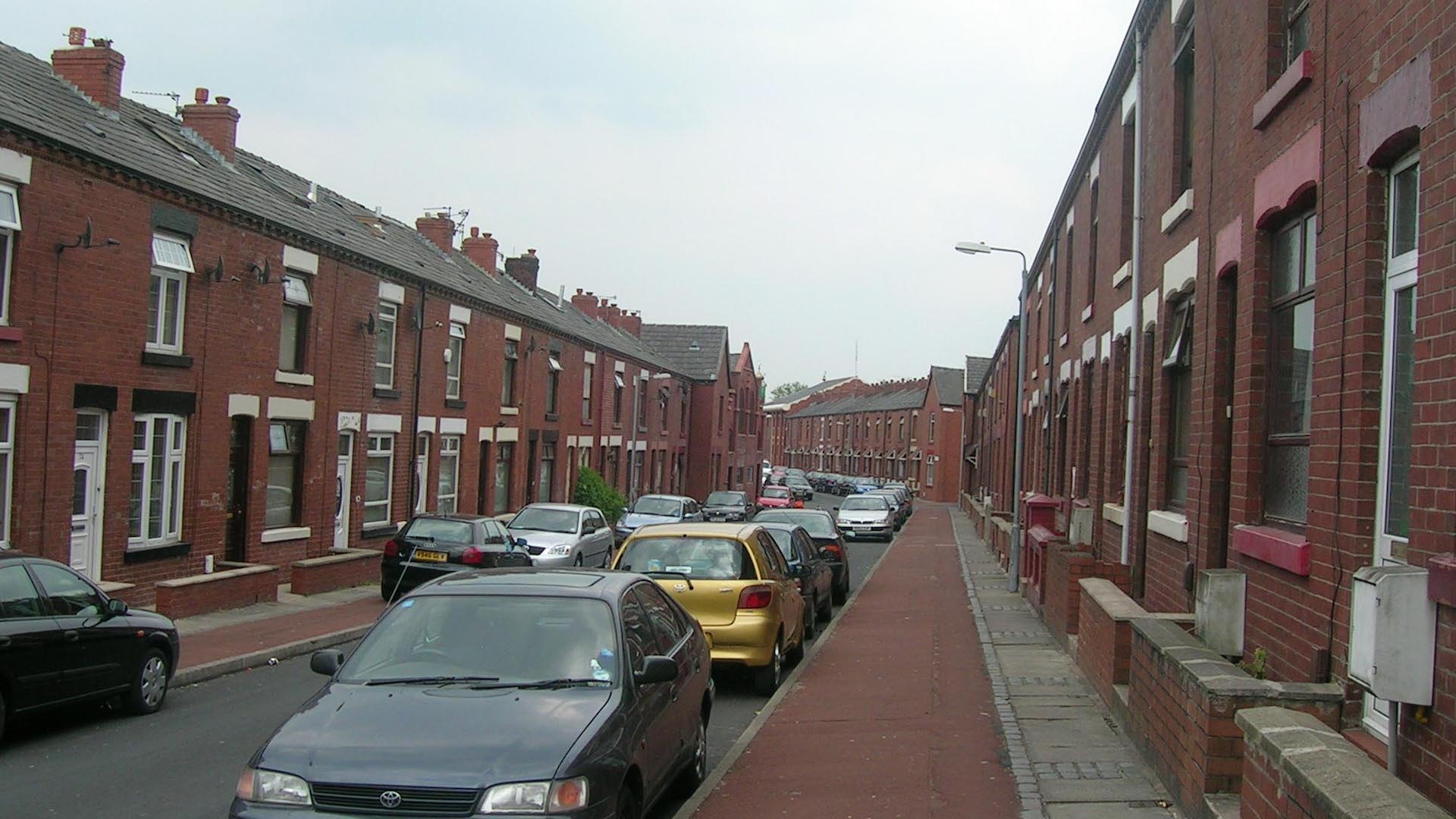
Deane in Bolton, where Covid-19 cases per 100,000 people are more than double the national average. poverty

Deane in Bolton, where Covid-19 cases per 100,000 people are more than double the national average. Mikey

The government must tackle poverty to protect communities from Covid-19 outbreaks as well as speeding up vaccinations, experts have warned.

Crowded housing and low-paid, customer-facing work in parts of Glasgow and Bolton – where communities are facing surges of the so-called Indian variant of the virus – create the “perfect conditions for the virus to thrive”, campaigners told The Big Issue.

“We know that Greater Manchester is home to some of the highest rates of poverty and greatest concentrations of deprivation in the UK,” said Graham Whitham, chief executive of Greater Manchester Poverty Action. “It’s no surprise, as the pandemic has developed, that these areas have been particularly prone. 

“People living in low-income areas of Greater Manchester are more likely to be in areas of high density housing, creating the perfect conditions for the virus to thrive. They are more likely to have existing underlying health conditions, increasing the likelihood of severe disease and death from Covid. 

“Covid-19 has exposed the inequalities present in our society, and the correlation between deprivation and poor health outcomes.”

Bolton recorded the equivalent of 274.7 cases per 100,000 people in the most recent figures covering the seven days to May 12, nearly twelve times the national average of 23.5. 

Advertising helps fund Big Issue’s mission to end poverty

Support The Big Issue and our vendors by signing up for a subscription.

The outbreak centres around densely populated neighbourhoods Rumworth, Deane and Great Lever. While early indicators suggest the numbers are decreasing, experts said issues linked to deprivation – such as struggling to afford travel or phone credit – were slowing the local vaccine rollout. 

Bolton Council is trying to narrow the vaccination gap with a vaccine bus travelling around the most affected areas and mobile testing units stationed within easy access for disadvantaged communities.

And in Glasgow, the city’s positive test rate surged to over 100 cases per 100,000 people in seven-day figures up to May 14, more than double the threshold used to decide if restrictions – such as bans on serving alcohol indoors and socialising at home – can be lifted.

Glasgow will stay under level three restrictions while most of mainland Scotland moves further out of lockdown.

But densely populated southside neighbourhoods such as Pollokshields, where around half of residents are from minority ethnic backgrounds, are bearing the brunt of the outbreak.

“The impact of Covid-19 has tightened the grip of poverty on the lives of people across the UK, while the virus itself has disproportionately impacted people on low incomes,” Neil Cowan, policy and campaigns manager at the Poverty Alliance, told The Big Issue. “Particularly Black and minority ethnic groups – including in Glasgow’s southside, where we have seen a spike in cases.

“Reasons for this include poor quality and overcrowded housing, as well as increased exposure to the virus in frontline, low-paid jobs.”

The Scottish government urged people in Glasgow to take lateral flow tests, available for free on the NHS, twice a week while the local health body arranges to vaccinate younger people in the worst-hit areas sooner than planned.

Health secretary Matt Hancock warned local lockdowns in England could not be ruled out to curb the spread of the virus, sparking concerns that disadvantaged people – who are more likely to work in hard-hit sectors such as hospitality and retail – could be pushed even further into hardship in the coming months.

A Public Health England report in June 2020 showed that Covid-19 deaths in deprived areas were more than double those in the wealthiest parts of the country – citing more frequent health conditions and a high number of people in jobs that could not be done from home – while people from minority ethnic groups more likely to be exposed to the virus.

“Addressing this isn’t just about increasing testing and accelerating vaccine supply, but is also about tackling poverty,” Cowan added. “It is only by taking action to boost incomes, reduce the cost of living and loosen the grip of poverty that we can end the health inequalities that make these communities more vulnerable to outbreaks in the first place.”

Advertising helps fund Big Issue’s mission to end poverty

Do you know how Big Issue 'really' works?

Watch this simple explanation.

Recommended for you

View all
Why do people live 14 years longer at one end of Leeds' famous Otley Run pub crawl than the other?
people on the Otley Run in Leeds
Health inequality

Why do people live 14 years longer at one end of Leeds' famous Otley Run pub crawl than the other?

Burnham says carers should be 'the best paid people in society'. Here's how much they actually earn
Prime minister Andy Burnham meets a woman in a visit to Jewish Care in Golders Green
social care

Burnham says carers should be 'the best paid people in society'. Here's how much they actually earn

Access to Work cuts lock disabled actor out of her career: 'Will I ever be on stage again?'
Actor Renu Arora has seen her Access to Work payments cut
Social Justice

Access to Work cuts lock disabled actor out of her career: 'Will I ever be on stage again?'

In the occupied West Bank, a child is killed every week. When did that become acceptable?
UNICEF UK CEO Dr Philip Goodwin visited the community of Um El Kheir Village south of the WB with UNICEF State of Palestine, meeting children and hearing about the challenges they face
Dr Philip Goodwin

In the occupied West Bank, a child is killed every week. When did that become acceptable?