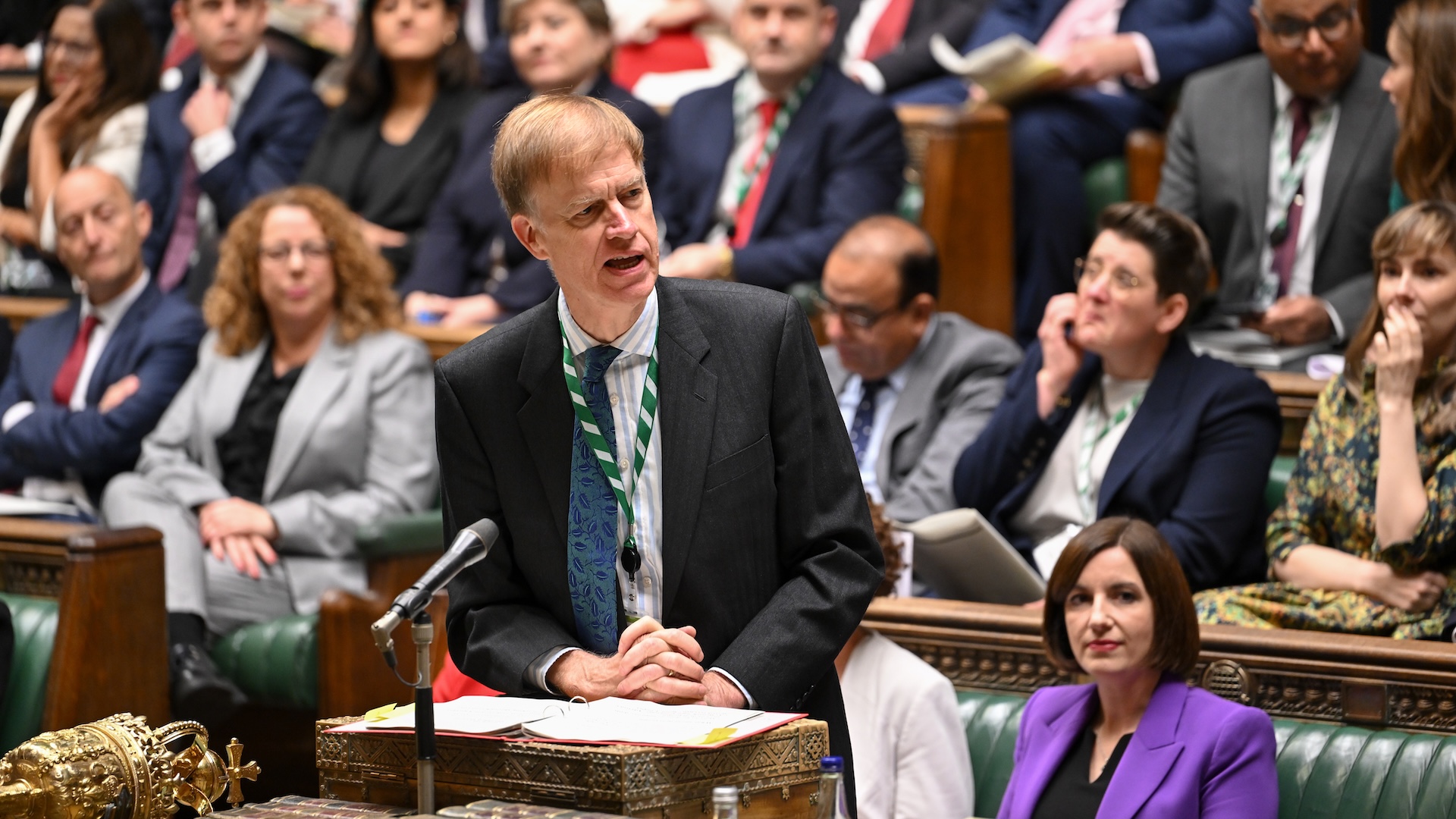
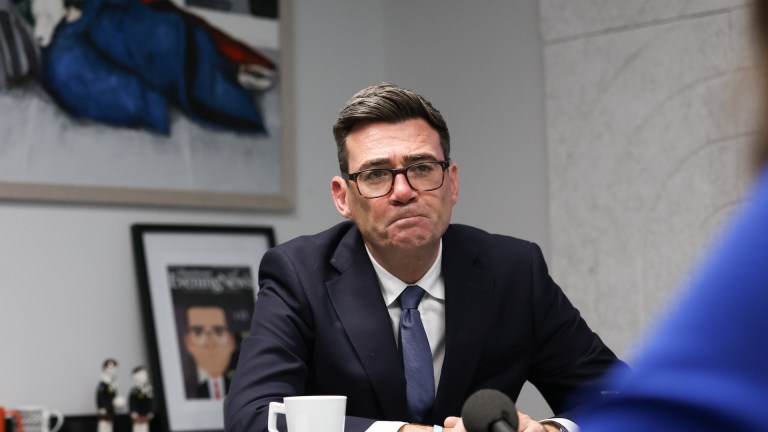
Timms said: “This interim report delivers a clear message: while PIP is widely valued as a benefit, it is not working as intended and needs fundamental change.”
The government initiated the review in October 2025 after facing uproar from Labour MPs over its plans to slash PIP, which could have seen hundreds of thousands of people lose their disability benefit.
Keir Starmer’s government U-turned on the plans and agreed that no changes to PIP would be made until the Timms Review of the assessment had concluded, with the review’s final report expected to be delivered in the autumn.
Keep reading the journalism that powers our mission
Register free to continue and learn more about the stories, campaigns and the support we provide, helping people facing poverty across the UK.
Dr Clenton Farquharson, co-chair of the review, said: “PIP should contribute to disabled people meeting the extra costs of disability and participate in everyday life. What we have heard through this review is that, while PIP is a lifeline for many people, the system too often fails to understand the reality of people’s lives.
“Disabled people have told us about a process that can feel stressful, dehumanising and hard to navigate, especially for people with fluctuating conditions, less visible or multiple conditions. That matters, because a system that does not feel fair or humane will not command trust from disabled people or from the wider public.”
The interim report’s findings support years of Big Issue reporting into the PIP assessment process.
Benefits assessors, who blew the whistle on the DWP, told us how the system disabled people are “set up to fail” by a “soul-destroying” disability benefits system which is target-driven and designed “to catch people out”.
Hundreds of claimants have written to Big Issue or told their story, with some saying the PIP assessment process has caused them “severe psychological distress to the point of being suicidal”.
Charlotte Gill, head of campaigns at the MS Society, said: “Today’s interim report confirms what disabled people have been saying for many years – that the current PIP system is stressful and exhausting. We’ve been supporting people with MS to share their experiences as part of the review, and they are clear in their call for a new approach based on fairness, dignity and respect.
“Over 150,000 people live with MS in the UK, with most diagnosed in their 30s and 40s. This is our chance to build a PIP system that acknowledges invisible and fluctuating symptoms, ends unnecessary reassessments, and works for everyone. But the next steps are crucial – and must continue involving and listening to disabled people. That’s the only way to make PIP fair and fit for the future.”
Ministers justified proposals for disability benefit cuts by suggesting that they would help push people into work. However, PIP is not an out of work benefit – instead, it is designed to help people cover their additional living costs.
This includes extra costs for powering medical equipment, for transport or heating bills.
Jon Sparkes, chief executive of learning disability Mencap, said: “This report shows clearly that that the current claims process is not fit for purpose and places an unfair administrative and emotional burden on people with a learning disability and their families. This chimes with our experience: the application process is not accessible, assessments end up being a needless fight and unnecessary re-assessments create distrust in the decision-making process.
“This approach should continue so that future recommendations are practical, deliverable and do not harm disabled people. I hope that the process of co-production will help to restore trust in the welfare systems that many of us rely on.”
Big Issue has repeatedly heard from claimants whose mental health has been affected by the PIP assessment process, which can impact their physical health too.
One woman described how she had a second stroke which she believes was caused by stress after her disability benefits were stopped.
Sarah Hughes, CEO of Mind, said: “The report echoes what we hear every day: that the PIP system is dehumanising, stressful and damages trust. PIP is a lifeline for people who, through no fault of their own, live with the additional costs of mental illness.
“So as this work progresses, it’s vital that, alongside improving the process, we also recognise that in a decent society we must support those facing additional need. This is a line-in-the sand moment for how we treat people, that improves lives for those who are unwell and reduces the impacts on families and communities.”
Do you have a story to tell or opinions to share about this? Get in touch and tell us more.
Change a vendor’s life.
Buy from your local Big Issue vendor every week – and always take the magazine. It’s how vendors earn with dignity and move forward.
You can also support online:
Subscribe to the magazine or support our work with a monthly gift. Your support helps vendors earn, learn and thrive while strengthening our frontline services.
Thank you for standing with Big Issue vendors.