There’s lots in the news about the plight of the honey bee. From varroa mite and habitat loss to neonicitinoid and other potentially harmful chemicals, bees are being besieged from every side. Much is made about the risk to our food crops if honey bees are not around to do the pollination. This is of course very worrying, but with so much focus on one species we forget about all the other creatures that pollinate our plants.
Plants need to get pollen from the male part of their flower to the female bit. This fertilises the plant so that it can produce seed. So, thinking about the food on our plate, if it is a fruit or seed then without pollination we can’t produce it.
Some plants, like sweetcorn and beetroot, rely on wind for pollination. Others such as peppers and tomato can even do it themselves within the flower. Most plants however need a little help from animals. Complex and specialised relationships have built up as plants and animals have evolved. Some orchids rely on just one species of butterfly to pollinate them. But most plants in the UK have a range of insects or other creatures that can pollinate their flowers.
Bees and butterflies are perhaps the best-known pollinators as they are relatively slow moving, and usually easy to recognise. Surprisingly perhaps, given their iconic status, honey bees are not the best pollinators. Many other bees and animals do a much better job. These other pollinators are under threat just as much as honey bees from loss of habitat and food and from chemical poisoning. Two UK bumble bee species have already become extinct in the UK and more are under threat, but because they don’t make honey – which is after all pretty delicious – they don’t get the same attention.
There are thought to be about 270 species of bee in the UK, but only one of them is a honey bee, about 25 are bumble bees and the rest are solitary bees. These other bees can live in all kinds of places, holes in the ground, masonry, and hollow twigs are all great habitats. Many, but not all, are pollinators but all play their part in the complex food web.
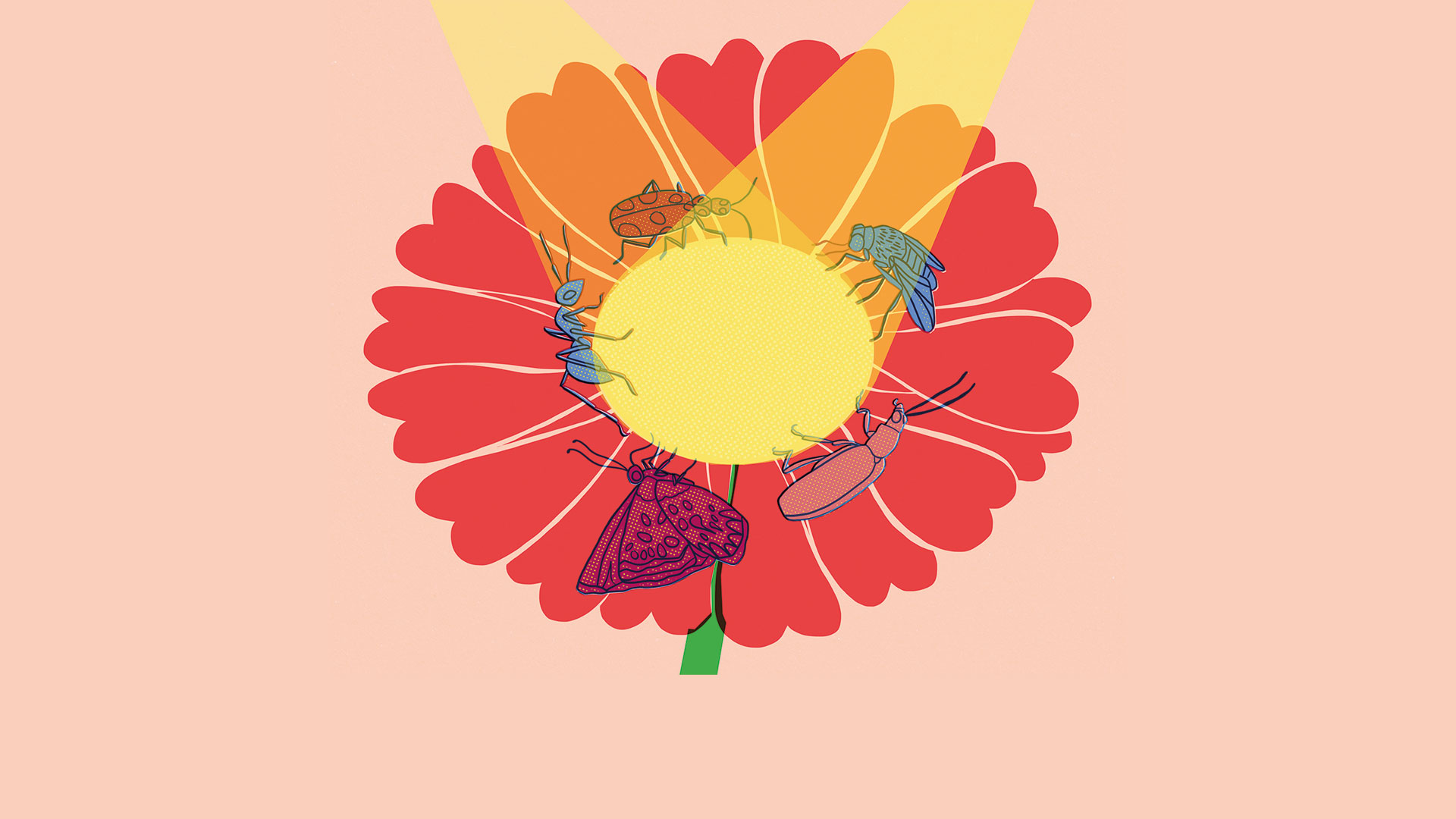
Bees are not the only creatures that pollinate plants. Beetles, ants, butterflies and flies are a few of the others. Many of these are also great predators so are useful to gardeners as pest eaters. There are nocturnal pollinators too, which is why flowers like honeysuckle are particularly fragrant after dark. Moths and bats are attracted to night-flowering plants and will do an excellent pollinating job.