I wasn’t sure if I had passed or failed any of my subjects until I got home a couple of weeks later. I hadn’t expected to do well. I ended up doing well enough to qualify for my A levels. Once it was all confirmed I remember a feeling of unprecedented lightness and optimism. I had hardly smashed it, but I at least knew I had done enough in my GCSE results to secure the next little chapter of my life. I could stop worrying for a short while. Until the next uncertainty came along. Life has pretty much stayed that way ever since: an endless cycle of worrying about the future punctuated by the occasional respite, in which life seems fleetingly safe and predictable.
For me, it was never A grades or jackpot wins or massive promotions or glittering awards I craved. I’ve never really thought about my self-worth in those terms. I’ve been far too preoccupied with survival and the endless search for security. I’m just always happy to know I’ve got the next mortgage repayment covered, to be honest. I don’t have time to think about the bigger picture.
My wife, who rarely got below an A in anything, had no detailed recollection of her GCSE results day. Nor her A levels or university graduation or any other moment of achievement. I find this strange – I can usually recall the sounds, the smells, the shoes I was wearing, the prevailing weather conditions and everything else about every significant episode I’ve ever experienced. Maybe because the fear and tension I feel makes me hyper-vigilant.
Keep reading the journalism that powers our mission
Register free to continue and learn more about the stories, campaigns and the support we provide, helping people facing poverty across the UK.
My wife is straightforward by comparison. She doesn’t think in the same dramatic terms of survival and security. She makes unswervingly reasonable assumptions about the future; not that it will always be OK but that we will find a way to cope. It’s a sound point of view, based on precedent.
Why are we built so differently? Maybe it’s because my childhood was a bit more chaotic than hers. Or maybe our nervous dispositions are dished out arbitrarily at birth. Either way, I sit there hoping that my daughter’s brain is built more like her mum’s than her dad’s. Finally, she emerges through the gates and walks towards us with an inscrutable half-smile on her face. I make a choking sound. My wife tells me to start the engine. I guess things are going to be OK.
Read more from Sam Delaney here
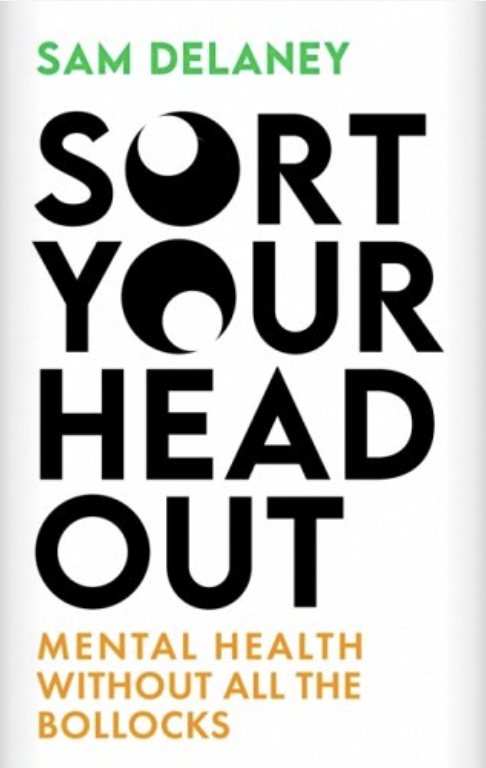
Sort Your Head Out: Mental Health Without All the Bollocks by Sam Delaney is out now (Little, Brown £10.99). You can buy it from The Big Issue shop on Bookshop.org, which helps to support The Big Issue and independent bookshops.
This article is taken from The Big Issue magazine, which exists to give homeless, long-term unemployed and marginalised people the opportunity to earn an income. To support our work buy a copy!
If you cannot reach your local vendor, you can still click HERE to subscribe to The Big Issue today. Or give a gift subscription to a friend or family member. You can also purchase one-off issues from The Big Issue Shop