Read more:
Those working on the frontline of tackling homelessness told us at St Martin-in-the-Field’s Charity last year that 83% of them found it difficult to access housing that meets the needs of the people they support, with over half (55%) telling us that this situation has worsened in the last year. And in the rough sleeping statistics nearly a third (31%) of people sleeping rough reported it was because they didn’t know how to find accommodation or help, and 20% because that there was no homeless accommodation available locally.
The long-awaited Renters’ Rights Act is a relief in the face of these figures and will reduce the number of people becoming homeless because they have been kicked out of their tenancy.
Keep reading the journalism that powers our mission
Register free to continue and learn more about the stories, campaigns and the support we provide, helping people facing poverty across the UK.
But new homes and wider change will take time. If you are homeless today, time is one thing you do not have. We all need to be doing everything we can to make more accommodation available as fast as possible.
That’s why at St Martin-in-the-Fields Charity we created our Access to Accommodation Programme. Through conversations with charities, frontline workers and people with lived experience of homelessness, we repeatedly heard the same message: organisations are working hard to develop practical housing solutions, but often lack the resources needed to unlock them.
Through this new programme, we have dedicated over £620,000 to support smaller, community-based charities that are developing new ways to either create or unlock accommodation in their local area. Each has seen a significant demand in their services and as a result have been struggling to access accommodation for those they are working with. By providing flexible funding and working alongside organisations to gather insights and learnings, the programme aims not only to deliver immediate housing but also to help identify solutions that could be replicated more widely across the sector.
Advertising helps fund Big Issue’s mission to end poverty
The purpose of the funding and of each project is to provide housing solutions in local communities, filling the gap created by a spiralling national housing crisis. From re-purposing derelict buildings in Great Yarmouth to building modular homes on unused land in Oxford, all eight projects are designed by teams working closely with those experiencing homelessness. The projects are tackling unmet local needs and will receive significant funding and support from us over the next three years.
Grassroots charities are on the frontlines of the housing crisis, and they know their communities in and out. Faced with growing homelessness despite a new national strategy being in place, it’s important that we support and crucially fund these organisations to create solutions to the crisis for the people they serve. And we are now expanding the programme to be able to support projects in Scotland, Wales and Northern Ireland too.
World events are undoubtedly casting a heavy shadow and will make economic prospects and funding for public services even more challenging. But with this programme, and the partners we are supporting, we hope at St Martin’s Charity to show that it is possible to make a real, practical and tangible difference, making more appropriate accommodation available to help people move out of and away from homelessness.
We hope this will encourage government, local councils and other funders to invest in similar such initiatives, so more people can have a safe and secure place to call home.
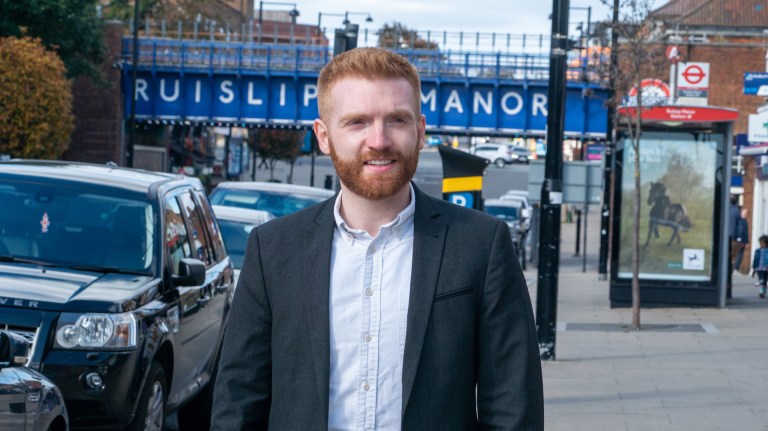
Duncan Shrubsole is CEO of St Martin-in-the-Fields Charity
Do you have a story to tell or opinions to share about this? Get in touch and tell us more.
Advertising helps fund Big Issue’s mission to end poverty
Change a vendor’s life.
Buy from your local Big Issue vendor every week – and always take the magazine. It’s how vendors earn with dignity and move forward.
You can also support online: Subscribe to the magazine or support our work with a monthly gift. Your support helps vendors earn, learn and thrive while strengthening our frontline services.
Thank you for standing with Big Issue vendors.