On Thursday May 6, as Scotland elects a new Parliament and Wales a new Assembly, much of England will go to the polls for a bumper, double-pack of local elections. Around 5,000 council seats are up for grabs, as well as 39 police and crime commissioners and a dozen directly elected mayors.
None of these elections are likely to get as much attention as the biggest, however. The sixth London mayoral election will see Labour incumbent Sadiq Khan face off against the Tories’ Shaun Bailey, Lib Dem Luisa Porritt, Green Sian Berry – plus assorted minor and novelty candidates including a struggling former actor and husband, an American YouTuber best known for spreading misinformation about Covid-19, and a man with a bin on his head.
Despite the complete absence of tension in this race – Bailey is polling historically badly, and the bookies currently have Khan as 1/50 favourite to win – it is likely to get far more coverage than, say, the genuinely marginal West Midlands mayoral race.
Unfair as this might seem, there are several reasons why the London mayoral race should matter to the rest of the country. One is that its electorate is huge – around six million, representing a population of nine million – larger than Scotland and Wales combined, and giving Khan a personal mandate bigger than anyone in Europe except the president of France. The London mayor is, quite literally, A Big Deal.
Another is that the mayor of London can influence national politics in a way no other local politician can. Throughout Brexit and right-wing Tory hegemony, Sadiq Khan has been a one-man symbol of another style of British politics: Remain-y, multicultural, progressive. (This is good, because in terms of actual policy achievements, he’s really not been all that.) His predecessor in the role is today the literal Prime Minister. Hate London as you might, this role matters.
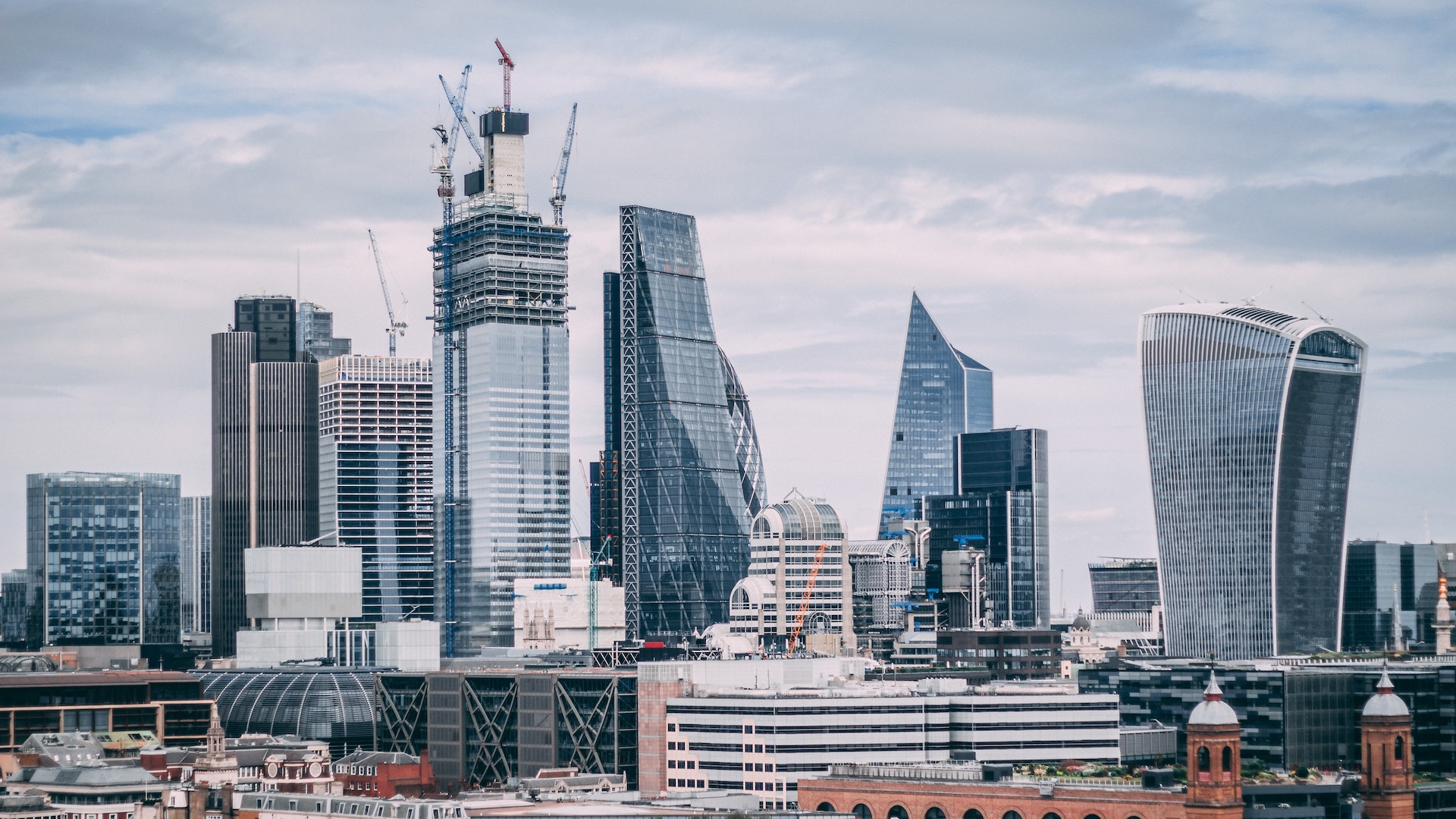
It matters for a more concrete reason too: London generates nearly a quarter of UK GDP, and the tax revenues produced in the capital subsidise spending in almost every other region of the country. The next mayor will have the job of fixing Transport for London’s finances, and re-starting that economic engine. If London is badly run, that could have very real financial consequences for the rest of the country too.