

In early April, a report of a gang rape in Epsom spread rapidly across social media and into public discourse. A young woman was attacked by several men after leaving a nightclub. Within hours, the story had taken on a life of its own — it circulated widely across online community groups and fuelled public outrage. Before any details were confirmed, speculation around the ethnicities of the alleged perpetrators intensified, and demands were made for ‘information’ to be shared with the public.
Days later, protests erupted. Footage showed chaotic scenes on the high street, including clashes with police. Residents spoke to reporters about their fears and frustrations with what they perceived to be inadequate responses from police to protect women and girls.
The police later confirmed there was no evidence that the incident “had occurred as reported” and no evidence linking migrant or asylum seeking people to the allegation. By the time this information had been established, the damage had already been done. This is a clear example of the continued misinformation and weaponisation of violence against women and girls (VAWG) to advance political narratives that position migrant men as perpetrators.
Read more:
- Ending violence against women and girls needs action, not words, campaigners say
- Do settled migrants really get ‘immediate access’ to social housing?
- Labour’s asylum policies will destroy lives – and drive away voters
This is not an isolated case, but part of a wider pattern. As organisations who have dedicated our working lives to uplifting women and eradicating VAWG, this weaponisation is something we’re determined to address – but we can’t do it alone. It requires a response across politics, the press, and members of the public in everyday conversations to challenge how VAWG is being misrepresented.
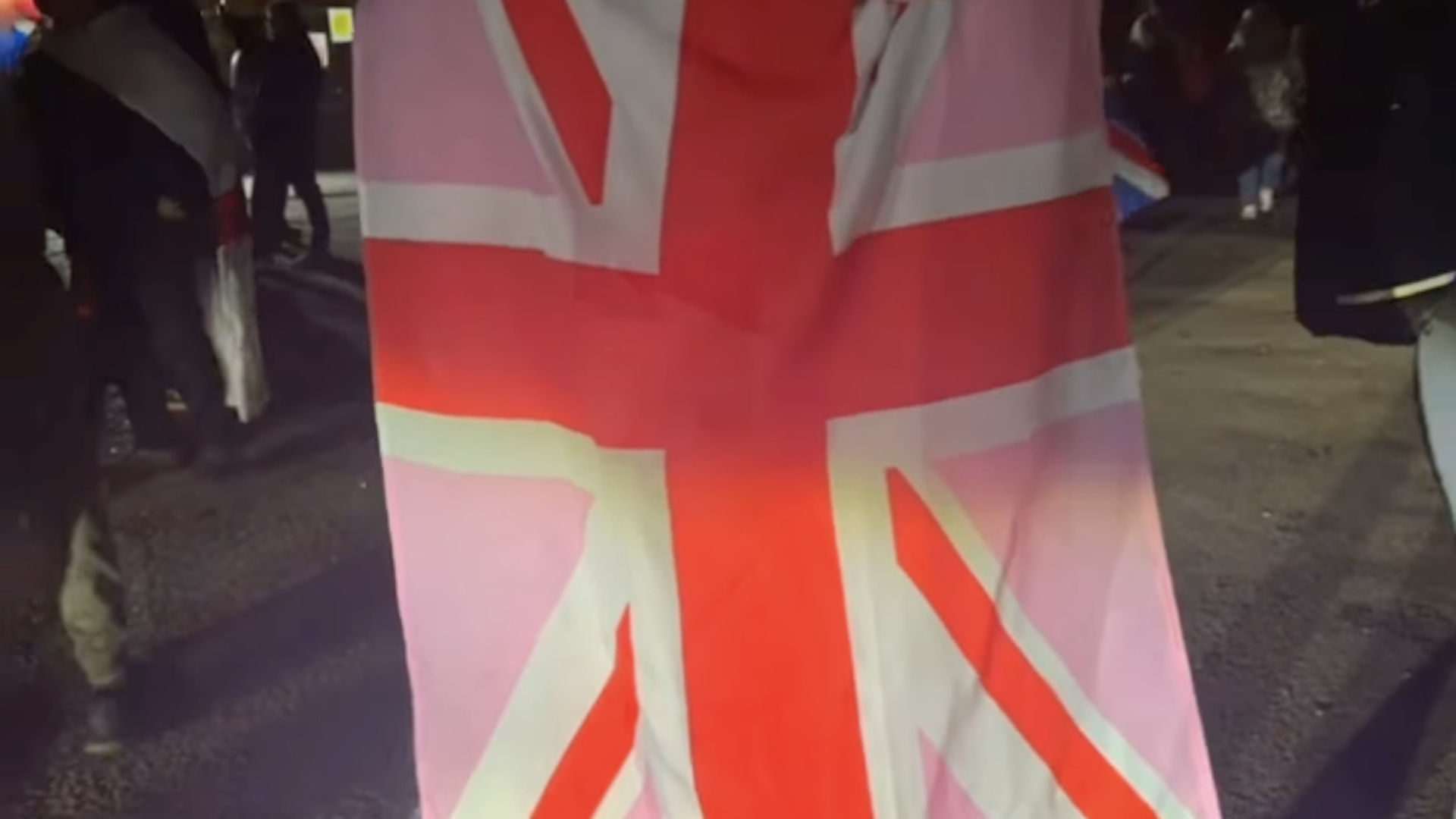
As these demonstrations, including the upcoming ‘Pink Ladies Protests’ and ‘Unite the Kingdom’ rallies gather momentum, it is clear that public fear has not emerged in a vacuum. It is shaped and distorted by misinformation and far-right actors exploiting national tragedies. Suspicion towards migrant communities is not new, but is increasingly reinforced through selective public discourse — such as the Epping Forest asylum hotel case, and ongoing debates around grooming gangs’ ethnicity and “false” LGBTQI+ asylum and domestic abuse claims. Together, these narratives create a climate in which migrant people are subjected to heightened scrutiny, blame and villainisation.