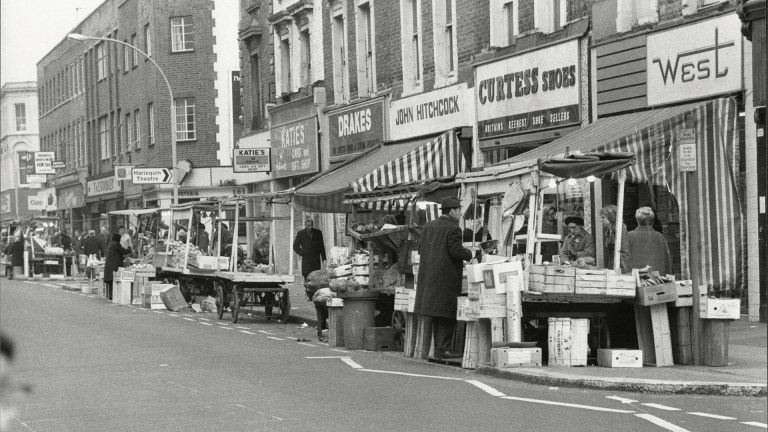
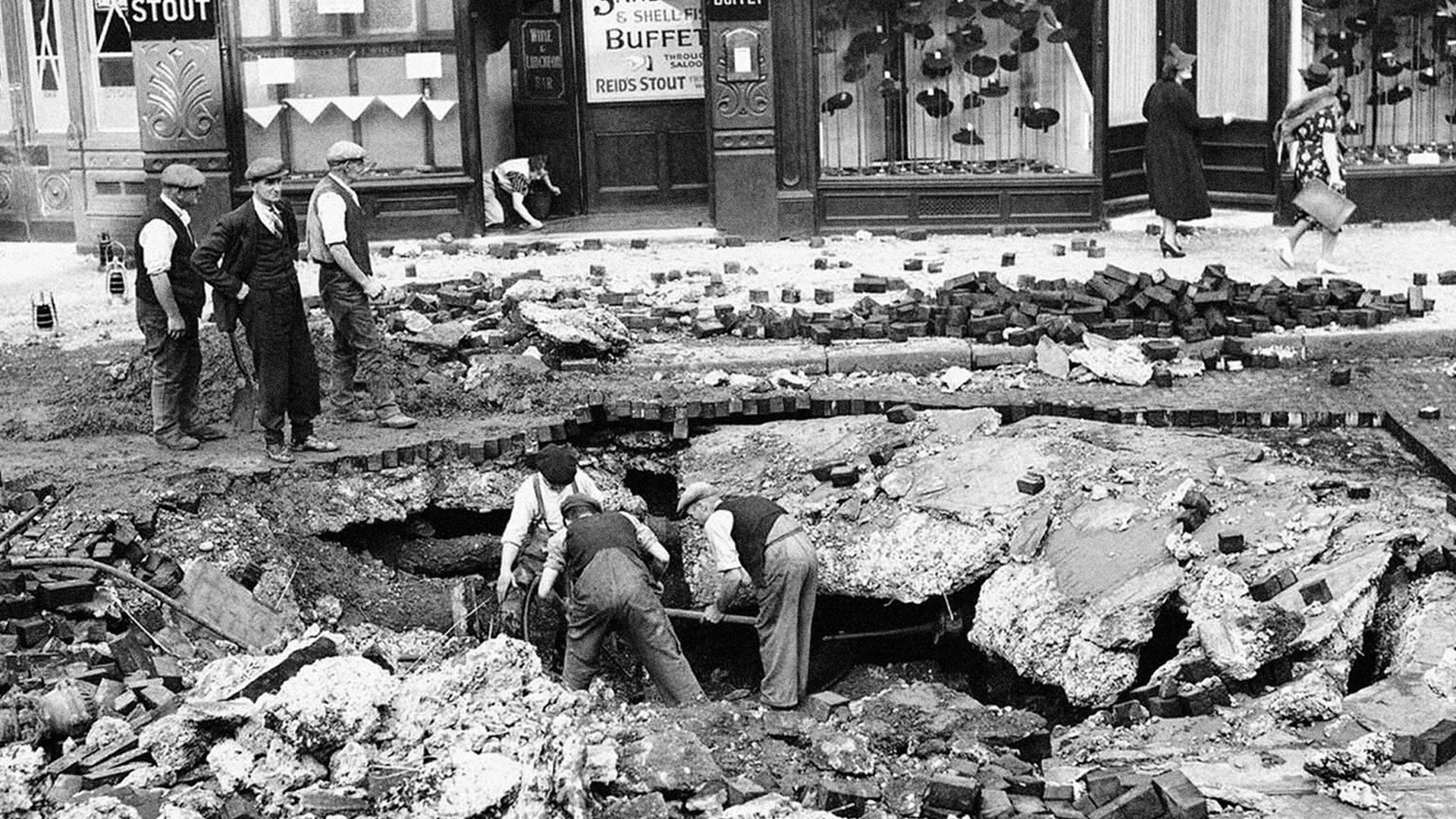
If only the world they’d been prepared for had continued. If only Great Britain had remained a rundown, leaky-roofed, uneducated paradise. Then perhaps the education levels they were given up until the age of 15 would have sufficed.
But things changed. Great Britain became slightly modern. Yet a class of people produced with a kind of postwar slide-rule thinking stayed where they were. And so did their children. Occasionally one or two would rise and become photographers or actors, writers or hairdressers of renown. Most got on with a life better than their prewar forefathers, but were cheap labour for the economy to draw upon – or not.
In the Midlands, the North and Wales, a hard reality was about to fall upon them. As the Sixties turned to the Seventies, relatively well-paid workers in steel and shipbuilding were led into confrontation with state employers – nationalised industries prevailing – by mine workers. Car workers likewise demonstrated their collective power in Birmingham and in Oxford, their employers also nationalised by the postwar Labour government.
Continue reading for free
Registration is free and takes less than 30 seconds.
Our supporters make Big Issue’s work possible. Join us to see the impact we’re having together and discover more ways to help people facing poverty access income, opportunity and support.
The postwar compromise, where millions of workers were employed by the state, was accepted by all governments: there would be no mass unemployment as there had been before the war.
Governments spend 70 per cent of their time and money on the collateral damage thrown up by poverty: the poverty of underinvestment
The end for mass employment on this scale came with the Thatcher government removing government subsidies for what were called “lame duck” industries. Subsidies that had existed since the First World War in most basic industries, except for the newer motor industry, had kept people in work.
Underinvested in, often full of old machinery, they were unable to make a profit. I remember working in a truck-making, government-owned factory in 1968 on a machine made in 1914.
Advertising helps fund Big Issue’s mission to end poverty
Conservatism removed work from vast sections of the industrial North, Wales and the Midlands. And many of these areas of former prosperity have never recovered. Now Conservatism is struggling with the results of the underinvestment in new industries, new education and new skill-creating training. People left behind by the lack of skilling-up in the postwar generations, whose children have trodden roughly the same path.
That is the backdrop to much of our crisis today. Why governments spend 70 per cent of their time and money on the collateral damage thrown up by poverty: the poverty of underinvestment. The poverty of putting much of the growth of the modern economy in cheap jobs in the service industries.
There was not one person brazen enough in government to pull out a glass ball and say “Look at where we are going! High streets full of cheap clothing shops, dozens and dozens of cafes! No one making top dollar, except for the owners. Banks making 80 per cent of their loans to the purchasers of housing and property. Only 20 per cent going into new business. We’d better watch out. If we were to get a pandemic whilst we’re leaving Europe because so many people are pissed off with just about managing, we’ll be screwed!”
You reap what you sow. Great Britain, now nicely morphed into the UK, has a bundle of reconstructive tasks before it. Opportunity for reconstruction looms. Build back better.
But let’s start with a mass prevention of homelessness! Our Ride Out Recession Alliance (RORA) believes that’s the first step. Keep people working by mass job creation; and keep people in their homes.
It’s a beginning to recalibrating the UK into a place where work is not a dead end, where we can avoid the dead end of mass homelessness.
Advertising helps fund Big Issue’s mission to end poverty
John Bird is the founder and Editor in Chief of The Big Issue.