Advertising helps fund Big Issue’s mission to end poverty
Social Justice

Stephen Fry to feature in play telling lockdown stories of prisoners and homeless people

Paperchains Live links to an anthology exploring the stories of marginalised people who faced months of isolation in lockdown.

An animation that will feature in Paperchains - Live. Animation by Jon Dunleavy

A project telling the lockdown stories of offenders and people with experience of homelessness will be transformed into a powerful live show and tour 15 prisons this spring.

Paperchains Live – featuring voiceover from Stephen Fry as a hapless prime minister – explores the impact of Covid-19 restrictions and isolation on marginalised people, including prisoners who faced spending 23 hours a day in their cells for months at a time.

The play was created by Sam Ruddock and Gary Lee, both recovering addicts who worked with playwright Nell Leyshon and Jo Billingham, theatre director at arts organisation The Outsiders Project.

“Paperchains was created out of a need to help people who were struggling during the pandemic,” said writer and prison librarian AG Smith, who founded the project alongside David Kendall, creator of in-prison arts festival Penned Up.

Through Paperchains, the pair began collecting stories, poems and artworks from disadvantaged people at the height of lockdown in 2020.

“Our chosen communities have always had a voice but those voices haven’t always been heard. Paperchains has now made them part of history so that future generations can understand what lockdown was like for them,” added Smith.
Advertising helps fund Big Issue’s mission to end poverty

The live show coincides with the launch of a 30-story anthology – published by Story Machine – which, like the play, platforms the testimonies of people “inside the storm”.

The publication also details the experiences of recovering addicts pushed back into difficulty by the Covid-19 crisis, people without a place to stay during lockdown and people who were locked down in unsafe households, and the families of people in the armed forces.

Ruddock edited the anthology as well as helping create the live show. “The Covid-19 lockdowns were significant for all of us,” he said. “But while some of us have support to fall back on, others had a very different experience.

Keep reading the journalism that powers our mission

Register free to continue and learn more about the stories, campaigns and the support we provide, helping people facing poverty across the UK.

“Reading the submissions for Paperchains was an experience of the very joy of reading – a process of stepping into other shoes and seeing the world through other eyes.

“I am so pleased to have been able to work with talented artists to bring these experiences to life.”

Paperchains: Our Stories from Lockdown is available online and in bookshops for £8.99.The live show premieres at The Outside Project in Boscombe on Saturday March 26. Tickets and further tour information are available here.

Advertising helps fund Big Issue’s mission to end poverty

Do you know how Big Issue 'really' works?

Watch this simple explanation.

Recommended for you

View all
Meet the 80-year-old with a learning disability who wants others to live to their 'golden age'
Geoffrey Leer
Mencap

Meet the 80-year-old with a learning disability who wants others to live to their 'golden age'

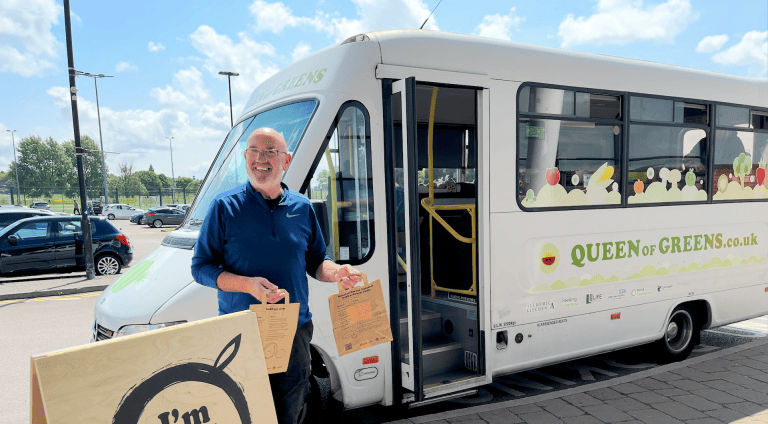
This greengrocer on wheels helps people afford food – but rising fuel prices make it hard to run
Queen of the Greens
Heidi Henders

This greengrocer on wheels helps people afford food – but rising fuel prices make it hard to run

Food poverty or fuel poverty? Why treating poverty as separate issues is unhelpful
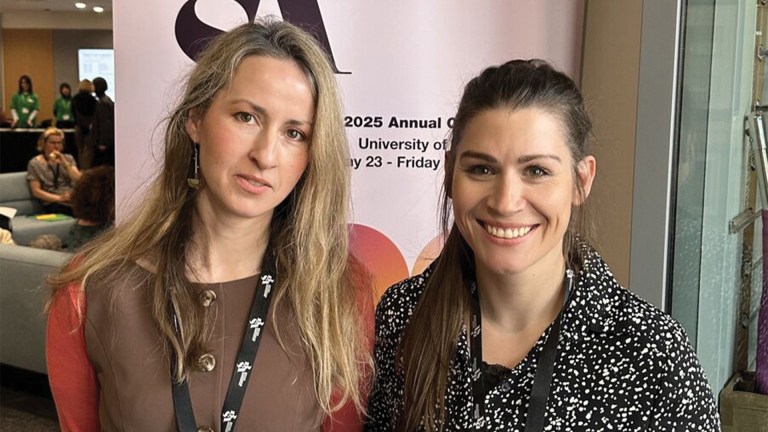
SPA Poverty Policy Group is led by academics Vicki Dabrowski and Natalija Atas
Natalija Atas and Gideon Calder

Food poverty or fuel poverty? Why treating poverty as separate issues is unhelpful

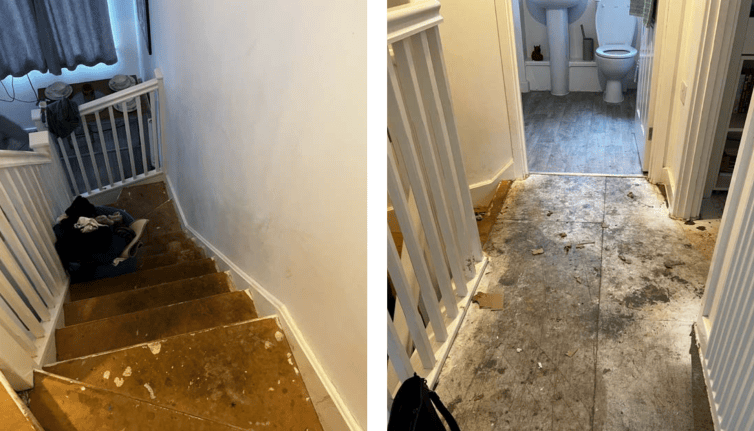
'I fled domestic abuse with my daughter. We were placed in a property with no furniture or floors'
Image of homes without floors
Furniture poverty

'I fled domestic abuse with my daughter. We were placed in a property with no furniture or floors'