Writing or teaching about the subject of this book, the history of race, is no longer simply about the past; it is decidedly about our present. Yet it remains imperative to go back to the 18th century and even earlier to understand where the most dangerous idea ever invented came from.
I first became interested in this history when I was a graduate student at New York University during the mid-1990s. I realised then as I do now that one of the reasons that so few people are familiar with this story is because the subject is so mind-spinningly complicated. To begin with, the origins of what would become Europe’s understanding of race are scattered throughout history. What now functions as race in our collective consciousness stems from a variety of sources, many of which are lost in the sands of time.
Get the latest news and insight into how the Big Issue magazine is made by signing up for the Inside Big Issue newsletter
What happened in 18th-century Europe, however, deserves particular attention. As Christianity’s hold on the human story began to falter, secular thinkers raised new questions about humankind’s differences in a range of settings, from medical schools and anatomical theatres to royally sanctioned research academies and the great universities of Scotland and Germany. By the end of the century, scientific inquiry had radically reshaped what it meant to be human. The xenophobia of the past, once based largely on anecdote or religious prejudice, gave way to anatomical ‘data’, deterministic sociological theories and racial taxonomies that assigned entire populations to specific stages of development. What we now know as race, in short, came about in large part because of the institutions and methods invented by the Enlightenment.
Tracking the idea of race as it evolved in various spheres of thought is perhaps the most logical way to tell this story. I have done so myself in two previous books. Several years ago, however, I concluded that I might be able to write a more accessible history by embedding the story in a group biography – by plunging into the lives and (often messy) psychologies of the people who actually made race. The result of such a project, I thought, might read more like a novel than a textbook.
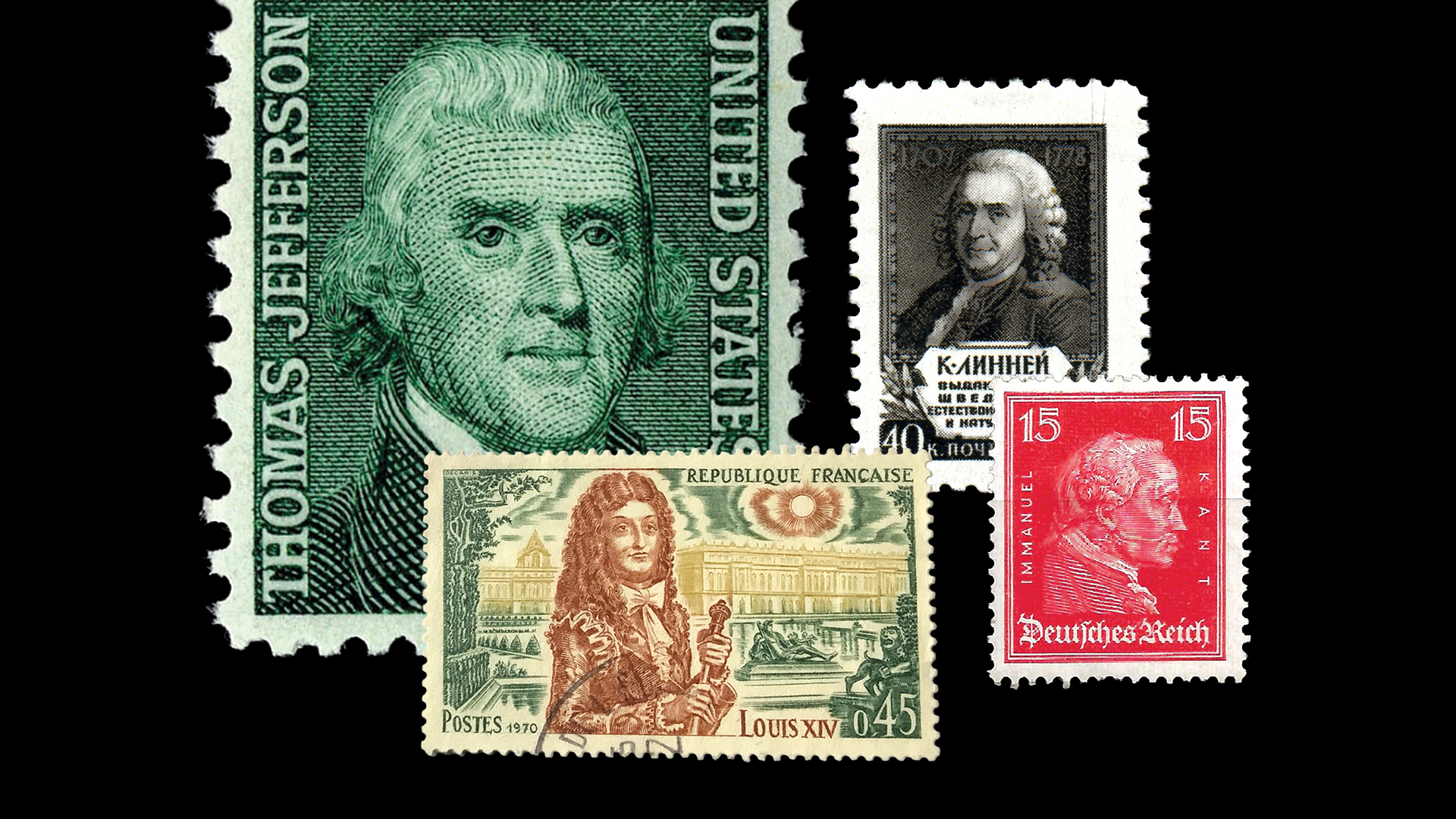
When I pitched this idea to a friend, she suggested that each one of my chapters feature a “people idea”, a biography-driven segment that would bring to life the person and the specific concept related to race for which they were responsible. This became the main conceit of the book. The characters in this book are more than simply individuals: They are also stand-ins for the wide range of theorists who helped fashion race during the Enlightenment, among them travel writers, natural historians, climate theorists, anatomists, skull-measuring quacks, classifiers, jurists, planters, kings, ministers and presidents.