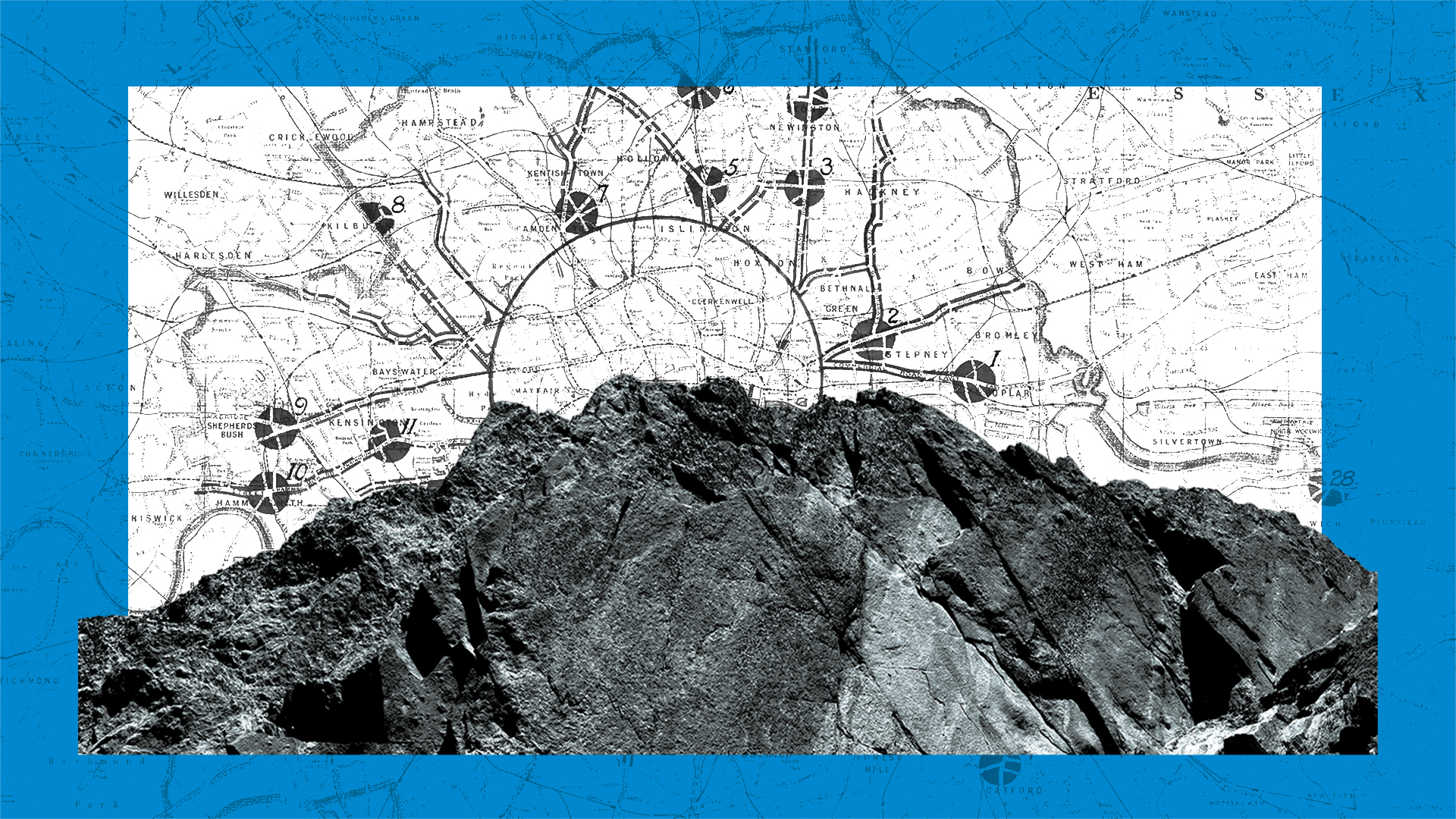
Tectonic religious change comes when the old orthodoxies, in the old, comfortable centres are left behind. The heretic pharaoh Akhenaten turned his back on the cult centre of Amun and founded his new proto-monotheism in a brand new city in the middle of absolutely nowhere. The Buddha walked away from an opulent court and sat starving under the Bodhi tree until Enlightenment crashed over him. The Hebrew nation was forged in the desert, having fled the fleshpots of Egypt. Jesus of Nazareth was crucified by the ruling powers of the day, pointedly outside the city walls. The Prophet Mohammed left Mecca for Medina.
Read more:
Adventures happen when we leave the old certainties behind. An Arthurian knight seeking a decent story would be well advised to get lost in an unmapped wood a long way from the comfort of Camelot. We constantly try to escape from our usual modes of consciousness, whether through alcohol, sex, psychedelics, or, like Salvador Dali, learning to jerk ourselves into the no-man’s land between wakefulness and sleep, where strange iconoclastic things wander.
Keep reading the journalism that powers our mission
Register free to continue and learn more about the stories, campaigns and the support we provide, helping people facing poverty across the UK.
We see ourselves best, and see ourselves at our best, at the wild frontiers of life. There’s spectacular nobility and dignity in the hospice. The most extravagant generosity is that of those who have nothing. Those who have most to forgive are the most forgiving.
These tropes don’t apply only to the human world. They seem to be generally true of the cosmos. Take evolution. Evolutionary innovation doesn’t happen in the centre of a population. Things are stable there. There’s no pressure for genes to become creative. Innovation happens on the periphery – where a population meets and rises to new challenges. Think of the beaks of Darwin’s finches on the Galapagos.
The centrists hate this kind of talk. Since the first cities sprouted in Neolithic Mesopotamia, centres and their acolytes have seen themselves as the pivotal places, have valued everything according to its proximity to the centre, and have feared, denigrated and persecuted the margins. Try getting a bank account in modern Britain without a fixed address.
Advertising helps fund Big Issue’s mission to end poverty
The centre often seeks to persuade the marginals to come to the centre and be assimilated and controllable. If that fails, it uses the cold shoulder. It’s generally reluctant to use violence (because violence often generates edges, which have unpredictable consequences), but has no moral compunction about doing so. History is full of violent suppression of edge-people by the centrists: Jews, homosexuals, religious and ideological minorities of every kind.
The centre’s war on the edges is ultimately doomed, because even the centre’s fiercest warriors are, at root, edge people, living astride the grave. Dick Whittington’s error will become obvious some time, even to them, and even if it’s only on their deathbed. And for us? How should we live? By acknowledging and embracing our edginess, and learning to be exhilarated rather than queasy as we look down over the edge, into the void.
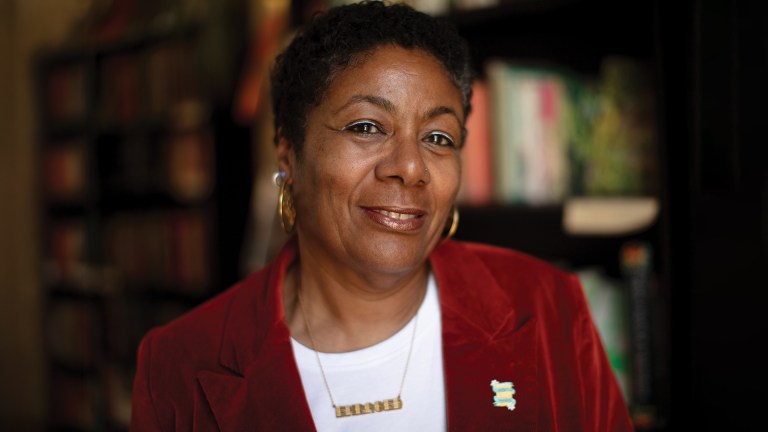
The Edges of the World: At the Margins of Life, Lands and History by Charles Foster is out now (Doubleday, £22). You can buy it from the Big Issue shop on bookshop.org, which helps to support Big Issue and independent bookshops.
Do you have a story to tell or opinions to share about this? Get in touch and tell us more.
Change a vendor’s life.
Buy from your local Big Issue vendor every week – and always take the magazine. It’s how vendors earn with dignity and move forward.
Advertising helps fund Big Issue’s mission to end poverty
You can also support online:
Subscribe to the magazine or support our work with a monthly gift. Your support helps vendors earn, learn and thrive while strengthening our frontline services.
Thank you for standing with Big Issue vendors.