Advertising helps fund Big Issue’s mission to end poverty
Housing

Hundreds of homeless lives saved in lockdown thanks to Everyone In scheme

The University College London findings point to what ministers must do in the event of a second lockdown – and to protect vulnerable people now

rough sleeping

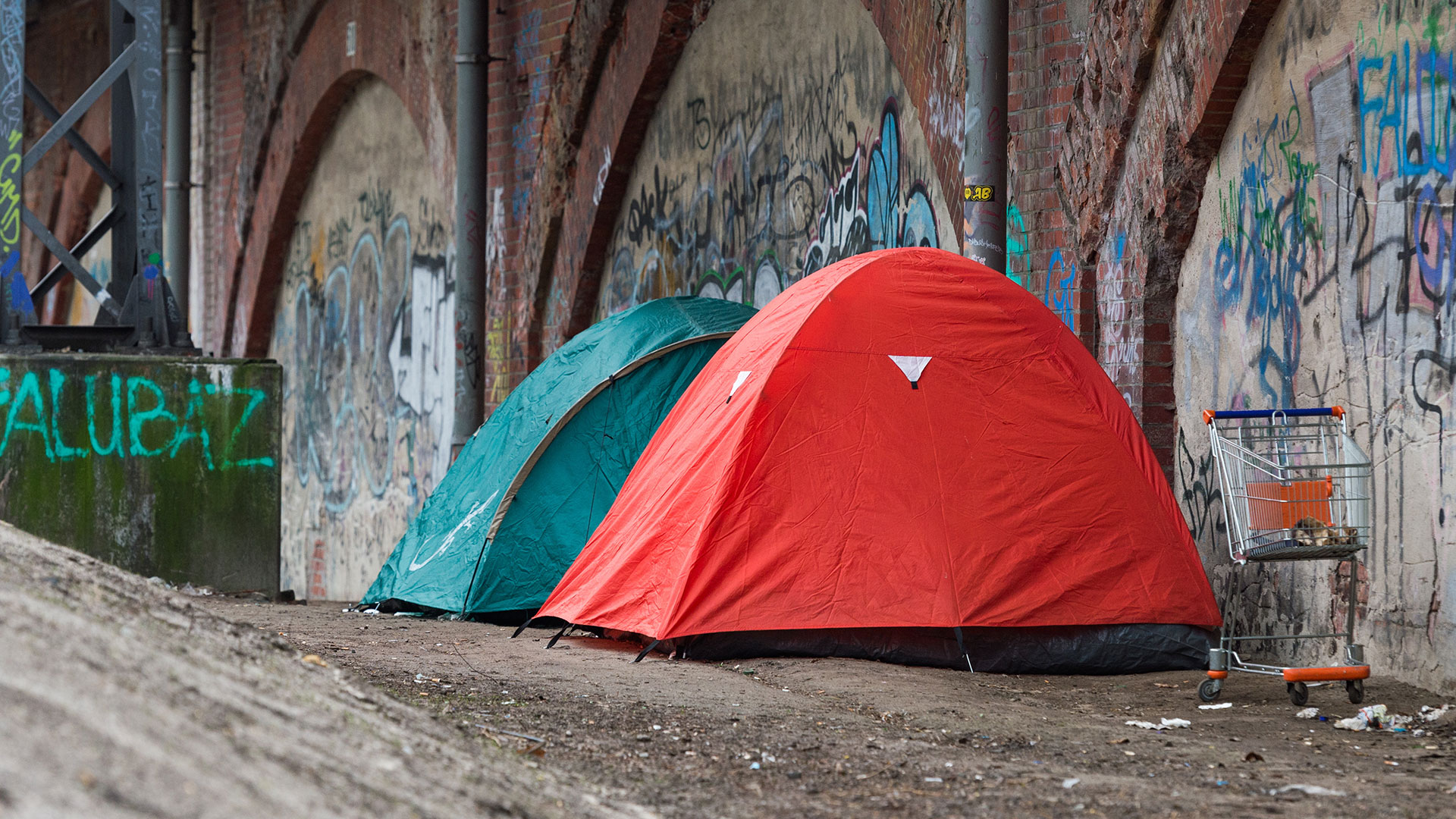
Government efforts to house homeless people when Covid-19 gripped the UK in March likely prevented as many as 266 deaths, according to new research.

The University College London (UCL) study found that the scheme, rapidly moving nearly 15,000 homeless people into emergency accommodation, saved tens of thousands of England’s most vulnerable people from catching the coronavirus.

Academics said infection control measures and giving people a single room where they could self-isolate, mostly in hotels, meant the virus could not spread as it would have among people still on the streets or staying in dorm-style shelters.

Lifting the measures and failing to replicate the same wide-scale efforts to safely house people could be disastrous for the homeless population, the academics said, causing outbreaks in shelters even if community transmission stayed low.

Professor Andrew Hayward, director of the UCL Institute of Epidemiology and Health Care and a senior author of the study, said the Government needed to show “renewed commitment to protecting the most vulnerable.”

He added: “We urgently need alternative emergency single-room accommodation so that communal night-shelters are not forced to reopen.”

Advertising helps fund Big Issue’s mission to end poverty

The academics behind the study, who used computer modelling to analyse the spread of the virus during lockdown, are urging ministers to ensure single-room accommodation stays available for vulnerable people going forward.

They worked with the data of 46,565 homeless people in England before the Everyone In scheme was introduced – of which 35,817 people were being housed in more than 1,000 hostels.

Another 3,616 people were in 143 night shelters while 7,132 people were sleeping rough.

Keep reading the journalism that powers our mission

Register free to continue and learn more about the stories, campaigns and the support we provide, helping people facing poverty across the UK.

Data shared by charities and hostels showed that around four per cent of homeless people caught Covid-19 during the so-called first wave of the virus, killing 24 people. The academics said that without interventions there could have been 21,092 infections and another 266 deaths in the same group.

If self isolation-ready accommodation remains available, the researchers believe there could be another 1,754 Covid-19 infections and 31 deaths among homeless people between June and the end of January next year.

Advertising helps fund Big Issue’s mission to end poverty

Rough sleeping minister Kelly Tolhurst said the research showed the benefit of the Government’s “decisive action” when the virus took hold, adding: “Protecting vulnerable rough sleepers this winter is a priority for this government. Our Next Steps Accommodation Programme provides the funding and support to help prevent people from returning to the streets.”

Last week homelessness charity St Mungo’s said the Everyone In programme had been “successful”, praising those involved for “unprecedented joint efforts” which saved lives.

But campaigners are now looking to the next steps for rough sleepers, with focus on finding them safe and long-term homes to move onto.

The former head of the government’s Rough Sleeping Task Force, Dame Louise Casey, was due to oversee this work with councils but stepped down from the task force in August.

The Government says its Next Steps Accommodation programme will build on the success of Everyone In and support councils to house vulnerable people long-term.

However last month figures from Streetlink showed that despite the Government’s claims to have moved up to 90 per cent of rough sleepers into emergency accommodation, reports of people sleeping on the streets increased 36 per cent between April and June compared to the same period last year.

Advertising helps fund Big Issue’s mission to end poverty

And despite alerts from the public about rough sleepers usually rising in winter months, the figures were higher from April than in the previous quarter – showing the early impact of Covid-19’s grip on the economy, with many already losing jobs and falling through the cracks of the social security system.

Advertising helps fund Big Issue’s mission to end poverty

Do you know how Big Issue 'really' works?

Watch this simple explanation.

Recommended for you

View all
Don’t be fooled: reviving the Help to Buy scheme won’t make housing more affordable in 2026
Housing minister Matthew Pennycook with two other people, all in hi-vis with hard hats
Maya Singer Hobbs

Don’t be fooled: reviving the Help to Buy scheme won’t make housing more affordable in 2026

Big Issue founder leads call for a national empty homes strategy: 'A completely wasted resource'
Big Issue founder Lord John Bird at a House of Lords debate on empty homes
Housing

Big Issue founder leads call for a national empty homes strategy: 'A completely wasted resource'

Council spending on housing homeless families in England at almost £3bn a year: ‘It’s crippling’
Jordan has been in and out of homelessness services for many years. Now in temporary accommodation, Jordan has been supported with his mental health and is positively moving forward.
Housing

Council spending on housing homeless families in England at almost £3bn a year: ‘It’s crippling’

'I grew up in social housing and now I'm going to Harvard. It's given me drive to change the world'
Monay Thomas in a graduation gown and mortar board celebrating her graduation from LSE
Education

'I grew up in social housing and now I'm going to Harvard. It's given me drive to change the world'