Read more:
Co-creating legislation is particularly important in housing and health, where policy decisions can have long-term consequences for wellbeing. Legislative Theatre helps highlight where systems are not working and where prevention work can take place. This chimes with Paulo Freire’s idea of critical hope which is about recognising injustice while believing change is possible and working together to co-create it.
Our last project was in Belfast, which focused on homelessness prevention for women experiencing domestic abuse in Northern Ireland. The project was commissioned by Housing Rights and delivered in partnership with The People Act and North Down & Ards Women’s Aid.
Keep reading the journalism that powers our mission
Register free to continue and learn more about the stories, campaigns and the support we provide, helping people facing poverty across the UK.
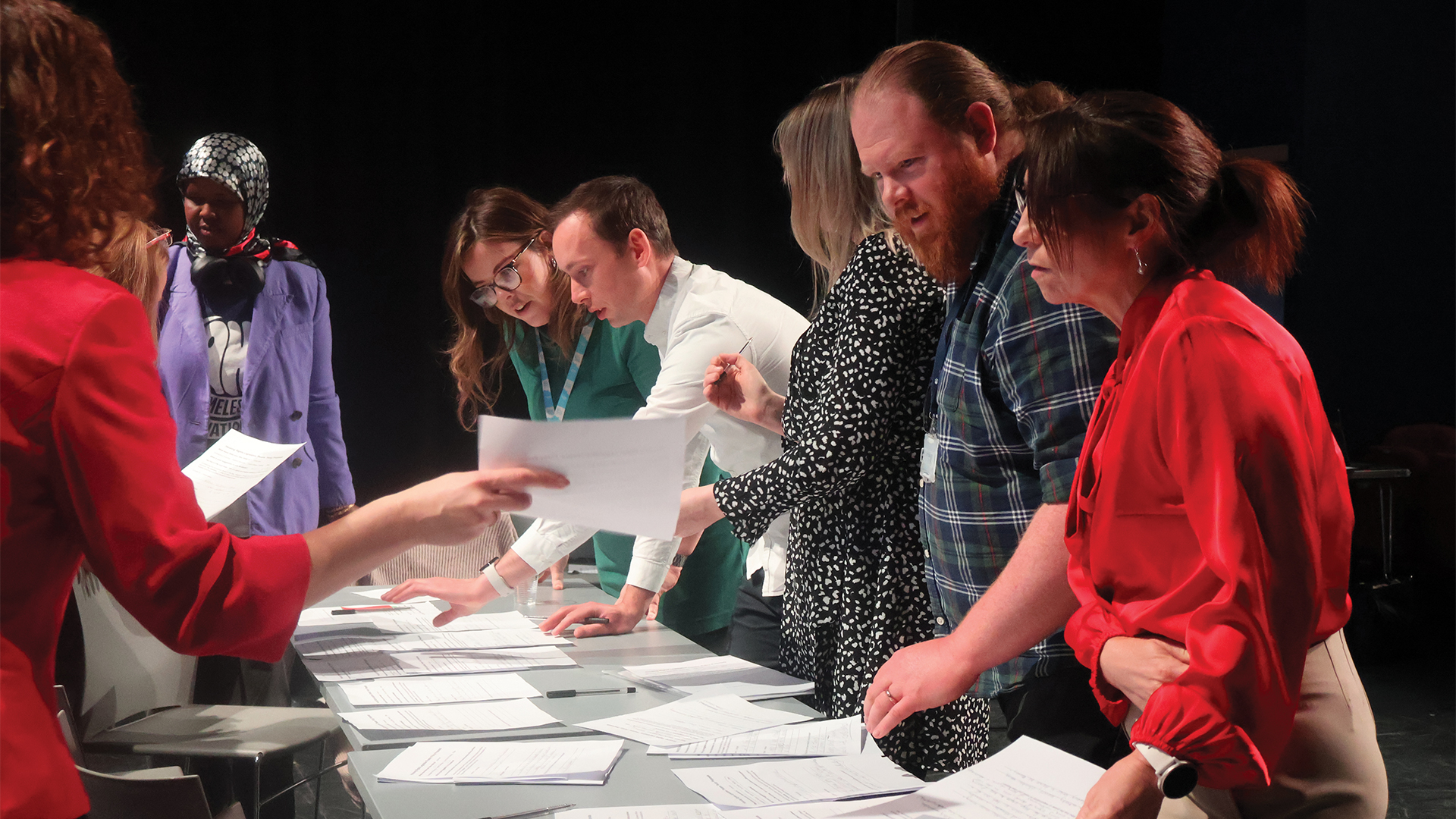
The play was co-created and performed by women with first-hand experience of domestic abuse and homelessness. Over four workshops, participants devised a play based on their collective experiences, which they then performed to an audience of stakeholders and policymakers.
A number of concrete commitments came out of the process, bringing tangible changes to policy and practice including: the Northern Ireland Housing Executive appointing domestic abuse leads; further training for police officers including dealing with breaches of court orders; and a new housing rights service to support people experiencing domestic abuse is being piloted with hope of further expansion.
The project had a personal impact on the women involved, says Satania Rowland-Miller: “Every participant had a story and a voice. But not all stories had been told or all voices heard. Legislative Theatre gave survivors of homelessness and domestic abuse that opportunity to tell their story.
Advertising helps fund Big Issue’s mission to end poverty
“Every step of the process, and every scene we co-created, made an impact on us as participants and actors, and then on decision-makers and policy in Northern Ireland.
“The whole process allowed me to take what was meant for harm, what was meant to hurt me, and turn it into something good. Those experiences that nearly broke me were used for change. It gave my pain purpose. Legislative Theatre shows that co-creation can lead to real-life change.”
We have since held follow-up meetings with actors and policymakers to review progress on commitments, helping hold decision-makers to account and track change. This ongoing engagement sustains momentum, strengthens trust and creates space for more equitable, human-centred policy and practice.
Twenty years ago, it would have been almost impossible to imagine policymakers co-creating with people affected by homelessness to shape decisions that impact their lives. And although the power divide between communities and decision-makers is still too great, Legislative Theatre and other lived-experience-led initiatives in the sector are showing that participatory democracy is not only more equitable, but also more effective.
Samra Said is co-director of Arts & Homelessness International
Do you have a story to tell or opinions to share about this? Get in touch and tell us more.
Advertising helps fund Big Issue’s mission to end poverty
Change a vendor’s life.
Buy from your local Big Issue vendor every week – and always take the magazine. It’s how vendors earn with dignity and move forward.
You can also support online:
Subscribe to the magazine or support our work with a monthly gift. Your support helps vendors earn, learn and thrive while strengthening our frontline services.
Thank you for standing with Big Issue vendors.