
Advertising helps fund Big Issue’s mission to end poverty
News

A deadly banana plague is putting your weekly fruit shop at risk

Up to 180 hectares of Colombian banana crops have been destroyed in Colombia after the incurable Panama disease was found on farms

A national emergency has been declared in Colombia after a fungus that decimates banana crops was found  – bringing the world’s biggest exporter of bananas to a halt.

There is no known effective fungicide to control the disease, so-called Tropical Race 4 (otherwise known as Panama disease), that was found on banana plants across nearly 180 hectares in the La Guajira region of the country.

This could mark disaster for bananas as a food source and as an export. Bananas from infected plants are not dangerous for people to eat but the plants do eventually stop bearing fruit.

Director of Columbian agricultural institute ICA Deyanira Barrero León tweeted that the institute had teamed up with the police, the military and experts from around the world in an attempt to fight the spread of the disease.

“We are responding with everything we’ve got,” she added.

Plants found growing in the infected soil were destroyed and the ICA intends to increase sanitary control measures at all ports, airports and border points.


Advertising helps fund Big Issue’s mission to end poverty

Meanwhile the Colombian government is considering short-term investment in smaller banana exporters to improve their biosecurity measures, disinfect machinery and bring in rules protecting footwear that can be worn in quarantined areas.

Gert Kema is a professor of tropical phytopathology at Wageningen University in the Netherlands, where soil samples from the infected farms were analysed. She told National Geographic: “Once you see it, it is too late, and it has likely already spread outside that zone without recognition.”

The disease can persist in soil for decades – as it has in South East Asia, where banana crops have been devastated by the fungus for 30 years.

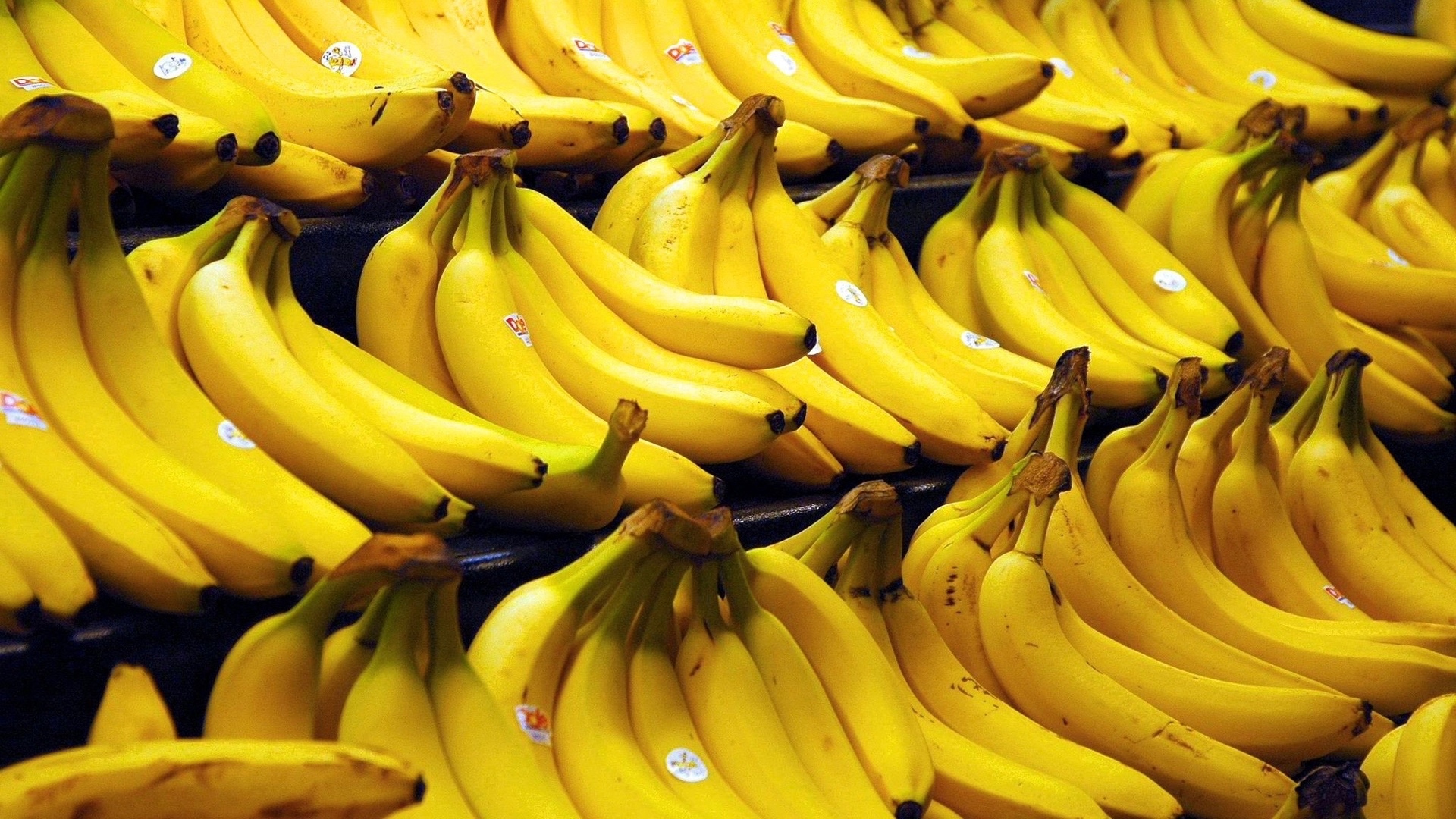
Because most commercial farms grow the Cavendish banana almost exclusively – the kind Brits see on supermarket shelves – the plants’ identical genetics leave them at high risk of disease.

Last year, food writer Lyndon Gee told The Big Issue: “The Cavendish banana, the world’s most common variety, is under threat globally from a fungus, so we could see bananas go up in price soon.”

Prices could go up for consumers in the UK, but people in Latin America will be hit hardest. As well as the economic shockwaves likely to be felt as a result of the epidemic, meal times will get more difficult too because bananas and plantains are fundamental part of their diet.

Advertising helps fund Big Issue’s mission to end poverty

GIVE A GIFT THAT CHANGES A VENDOR'S LIFE THIS CHRISTMAS 🎁

For £36.99, help a vendor stay warm, earn an extra £520, and build a better future.
Grant, vendor

Recommended for you

View all
The real reason why Trump is suing the BBC, explained: 'A war on any media that dares to criticise'
Media

The real reason why Trump is suing the BBC, explained: 'A war on any media that dares to criticise'

It's the season of goodwill – but does anyone actually give back at Christmas?
Your views

It's the season of goodwill – but does anyone actually give back at Christmas?

What do homeless people really think about Labour's digital ID cards?
Lord John Bird on Suella Braverman's comments regarding street homelessness as a lifestyle choice
Digital ID

What do homeless people really think about Labour's digital ID cards?

Is the cost of living crisis over and will prices in the UK ever come down?
Cost of living crisis

Is the cost of living crisis over and will prices in the UK ever come down?