MPs called the government's response to the green jobs report "disappointing". Image: Pixabay
Share
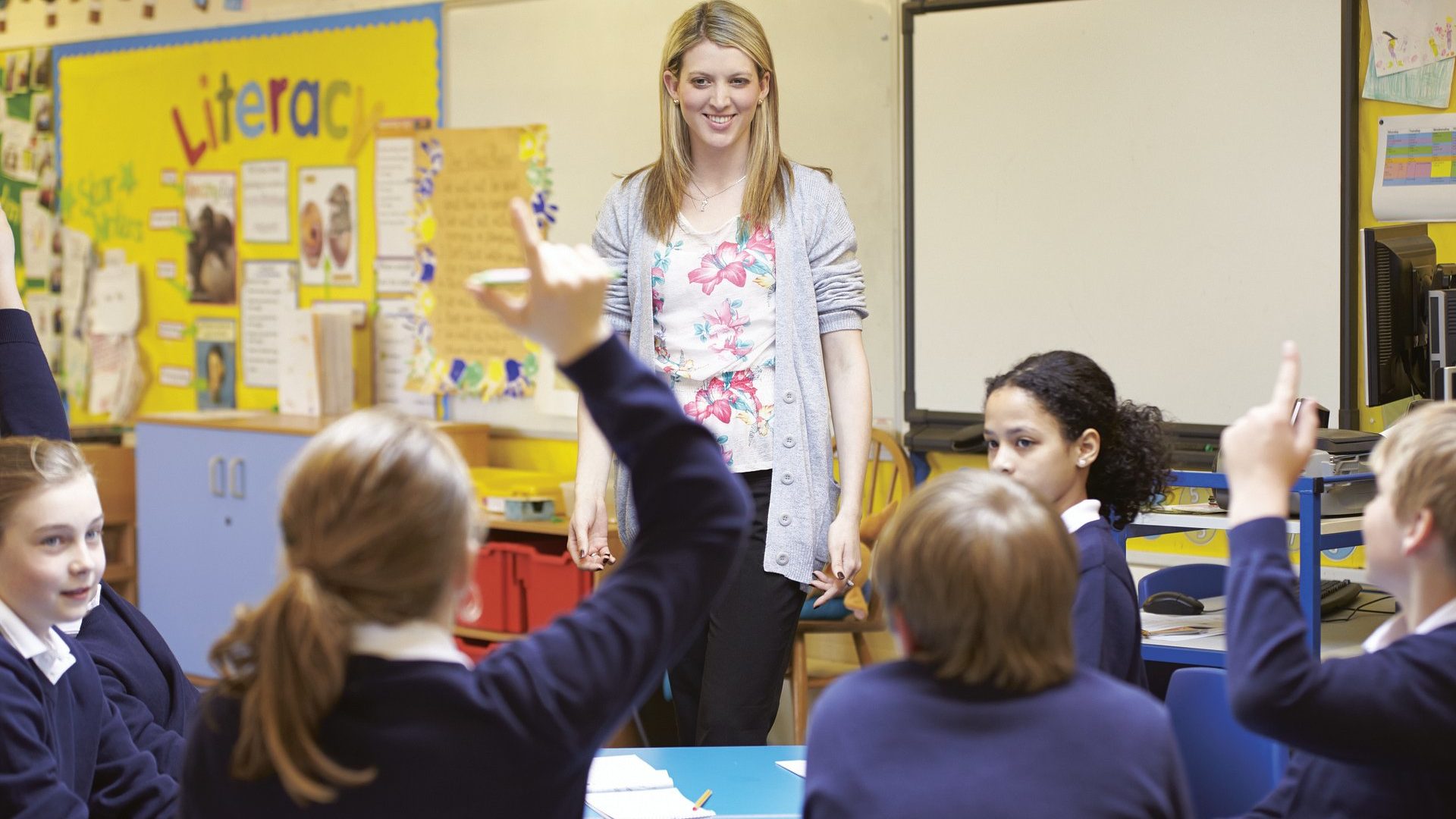
The government has rejected calls to expand environmental education across all school courses in its response to a key report on green jobs.
In October, MPs on the Environmental Audit Committee (EAC) recommended that environmental sustainability be embedded across the whole curriculum in order to prepare young people for green jobs in the future.
In a response published on Thursday, the government rejected the recommendation, saying: “Topics related to climate change and the environment are already included within the citizenship, science and geography National Curricula”.
The government also rejected a recommendation to include an environmental sustainability module in all A- and T-Levels, saying this would only be included where “occupationally relevant”.
EAC chair, Philip Dunne MP, called the response “disappointing”, adding: “The national curriculum is not embedding environmental sustainability nor even restoring the teaching of nature into schools as we [the EAC] had recommended.”
The government has pledged to provide two million green jobs in the UK by 2030, but the EAC warned in its October report that plans for delivery “lack detail” and could put key environmental targets – like the 25-Year Environment Plans – at risk.
Advertising helps fund Big Issue’s mission to end poverty
Advertising helps fund Big Issue’s mission to end poverty
The latest response from the government fails to address this lack of detail or “give the confidence boost to those industrial sectors that will require, and need to develop, the green skills of the future”, the EAC said.
As well as rejecting a recommendation on environmental education, the EAC noted that “key departments” have been excluded from the government’s Green Jobs Delivery Group, which will oversee development and delivery of green jobs across sectors.
Neither the Treasury or the Department for Levelling Up, Housing and Communities will be represented in the Green Jobs Delivery Group, in spite of homes accounting for 15 per cent of the UK’s carbon emissions.
Keep reading the journalism that powers our mission
Register free to continue and learn more about the stories, campaigns and the support we provide, helping people facing poverty across the UK.
While the EAC said the government’s “general commitment to ensure the right skills are in place for the green transition is welcome”, the group is concerned that government departments “lack a central coordination function to deliver green jobs policies”.
EAC MPs are not the first to push for better climate change and environmental education in schools. In November 2021, Labour MP Nadia Whittome put forward the Climate Education Bill under the 10-minute rule, which successfully passed to a second reading.
The bill would “require matters relating to climate change and sustainability to be integrated throughout the curriculum in primary and secondary schools and included in vocational training courses”, and will have its second reading at the end of this month.
Introducing the bill in parliament, Whittome said: “This Bill aims to put that right and to prepare young people for the future, and this Bill is what young people are demanding.
“In 2018, one survey found that 42% of pupils felt that they had learned a little, hardly anything or nothing about the environment at school, and 68% said that they would like to know more.”
Advertising helps fund Big Issue’s mission to end poverty