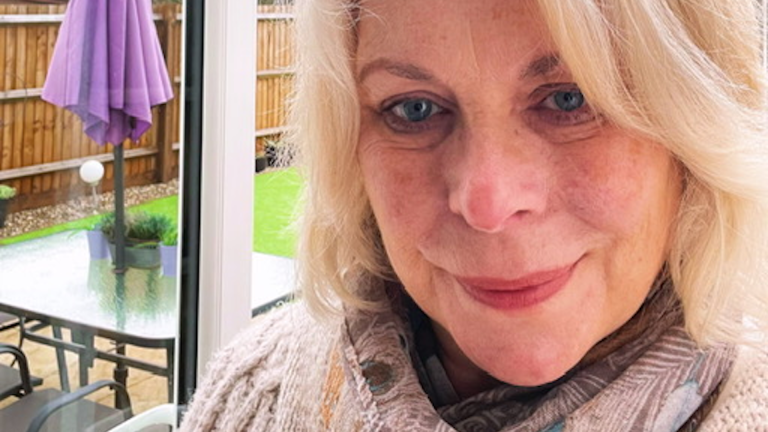
“There’s a perception that everybody in the UK has a mobile phone. But they don’t,” she says. Those that experience digital poverty may not have devices or access to the internet at all.
The chatbot has the potential to answer the initial big questions that people might have about accessing government services, which could help people get the support they need.
Liz Kendall, technology secretary, says: “Modernising our digital services is central to building a government that works for everyone.
Keep reading the journalism that powers our mission
Register free to continue and learn more about the stories, campaigns and the support we provide, helping people facing poverty across the UK.
“For too long, navigating the government has felt like a full-time job. Whether you’re a parent trying to find out what childcare you’re entitled to, a first-time buyer working out which schemes you can access, or someone approaching retirement, you shouldn’t have to spend time trawling through hundreds of web pages to get a straight answer.
“GOV.UK Chat changes that – putting clear, reliable information in people’s hands in seconds, at any time of day.”
Currently around £24 billion of benefits and financial support goes unclaimed each year, according to estimates from Policy in Practice. This is believed to be due to stigma, the complexities of the system and people not realising they might be eligible.
“Where do you even start to identify what you’re entitled to, and what support can you access?” McCartney says.
But she adds that it’s essential to include those with limited accessibility in the conversation.
At the moment, the chatbot is only available on the GOV.UK app, which limits access to iPhones with iOS 16 or above, and Android 10 or above – those who cannot afford newer phones won’t be able to use this technology.
And because the chatbot only supports English, McCartney says that it closes off the opportunity to reach second language English speakers, who often need additional support in accessing benefits.
“There’s a big stigma around accessing benefits. It’s possible that being able to ask the questions to a chatbot takes some of that away.”
Even then, she stresses the importance of human connection. For single parents, speaking to someone can relieve the loneliness of dealing with a challenging economic situation alone.
Beyond this new chatbot, McCartney recommends people seek out a local charity or community center, where people can receive IT access and peer to peer support for complex situations.
One such place is Nova New Opportunities, a charity in North Kensington, London. They often work with those, such as the Grenfell community, who have been badly let down by their councils and have developed distrust in the government.
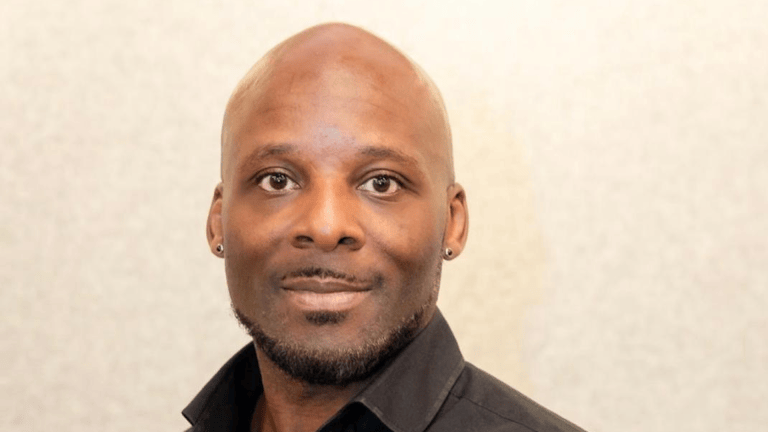
Nova’s chief executive Lizzie Cho says that GOV.UK Chat would likely be very helpful for people who have higher levels of literacy, who know how to navigate and trust the systems around them.
Cho says: “It’s going to be great for lots of people, but those most marginalised, most in poverty, with the most difficulties, who need the system for urgent needs might be excluded.”
As a close contact with the community, Matthew Barnett, Nova’s head of children young people and families, says: “A lot of people have very low levels of digital literacy already, and this is a big shift forward. It’s going to create uncertainty which further multiplies that lack of trust, and increases the need for additional support.”
Cho has noticed that community members have become increasingly wary of using new technology and fearful of their personal data being misused, that their information would affect their benefits.
It’s important to note that the chatbot has strict privacy guidelines. A spokesperson for the Department for Science, Innovation and Technology said: “People are not required to share personal information to use GOV.UK Chat. If they do, the system is designed to detect and block things like email addresses and phone numbers.”
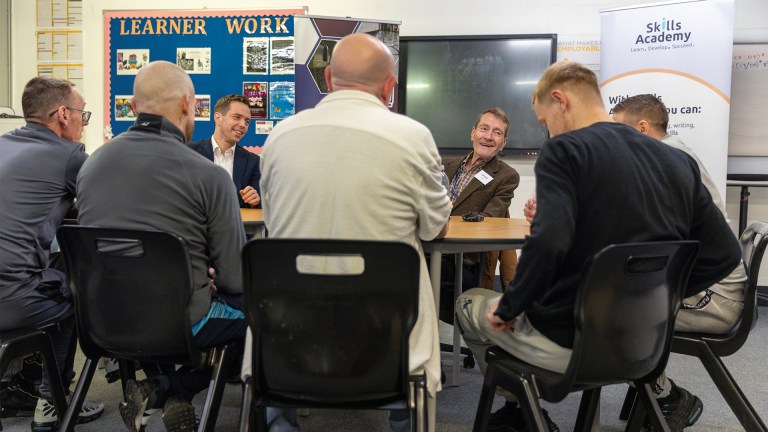
“You always need a middle partner to transfer the trust,” Cho says. Nova battles this digital paranoia by hosting workshops, with the NHS app for example, where they sit and explain how the app works.
Without extending access through language and technology means, Nova says its difficult for trust to be rebuilt.
The chatbot may fail to reach those who need guidance most due to language, technology or financial limitations.
“It’s easy for us to forget that this is a paradigm shift in technology. It’s very intimidating for people who don’t really understand it,” says Barnett. “Without proper support, without additional guidance and human contact, without building that bit of trust first, it will create bigger barriers.“
Javier Ruiz Diaz, technology and human rights lead at Amnesty International UK, adds: “We will watch with interest to see if the GOV.UK AI chat improves users access to government services, but we would be concerned if the chat model answered questions about entitlements, made decisions, or gave any information that could dissuade people from requesting social security.
“The chat is a ‘potentially’ better search interface for government websites, but should not be presented as a substitute for real humans and will not solve the problems we have identified with the lack of empathy in the interactions with users of public services and recipients of social security. The government should be improving those services, independently of any chat tool.“
Do you have a story to tell or opinions to share about this? Get in touch and tell us more.
Reader-funded since 1991 – Big Issue brings you trustworthy journalism that drives real change.
Every day, our journalists dig deeper, speaking up for those society overlooks.
Could you help us keep doing this vital work? Support our journalism from £5 a month.