Being Heumann is one of those underdog tales that make such great films when done right.
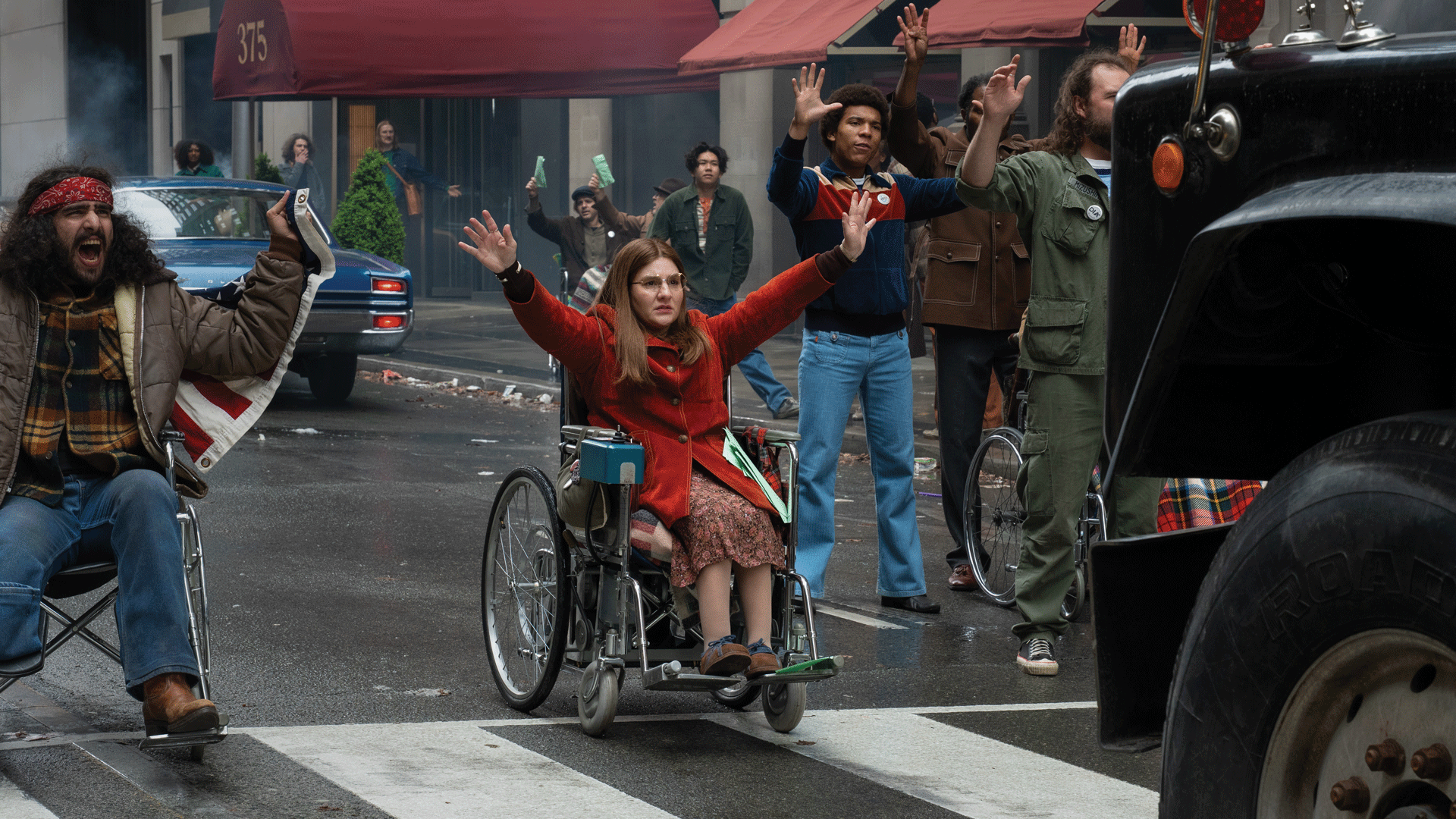
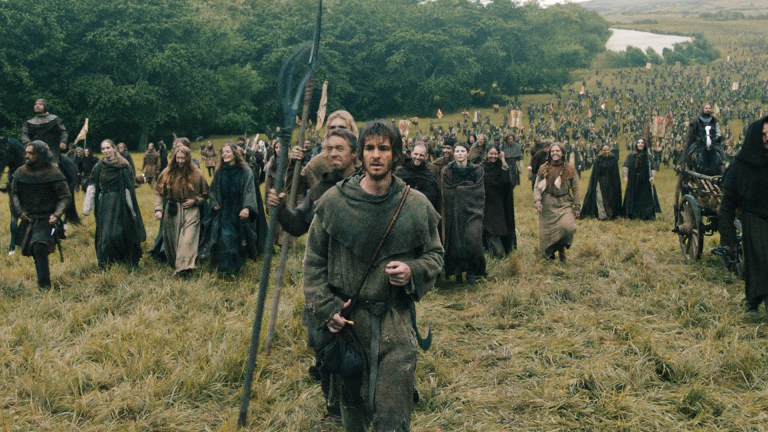
Led by Heumann, a group of disabled activists occupy the US Department of Health, Education and Welfare offices in San Francisco in April 1977. They are a wild bunch. Smart, courageous, and unwilling to put up with the status quo.
“They are the reason the world looks the way it does,” says Heder. “They’re the reason when I’m pushing my kid’s stroller down the sidewalk, I can get off the kerb. Our world looks different because of what these protesters did.
Keep reading the journalism that powers our mission
Register free to continue and learn more about the stories, campaigns and the support we provide, helping people facing poverty across the UK.
“I can’t imagine a better time to tell a story of people putting themselves at risk and coming together in a collective action that made change, forced the government to bend and listen, and made a group of invisible people visible.
“There’s been many times this year where I have been out on the street with a cardboard sign. And, looking around, every sign says something different.
“Because there are so many battles on so many fronts. You might think, Does this matter, putting my body out here? I believe it does. And that it is our only option. And that it takes a certain kind of collective action to make change. So it feels very important to tell this story.”
Judy Heumann died in March 2023 at the age of 75. Before that, the director had become friends with the ‘mother of the disability rights movement’.
“I had a funny relationship with Judy, because I was always digging to get her to tell me the stories she hadn’t told anyone,” Heder says. “She’d written this memoir, but I was like, ‘There’s not enough in that book for me – I need to know who you were sleeping with, where were you sleeping with them?’ Judy was so on message all the time. She was an activist. There were things that were very important for her to be in the movie, from a messaging point of view. I was interested in that.
“But I was like, ‘Judy, this movie cannot feel like homework! What’s going to make this fun is, like, did you get high? Who did you have a fight with? When did you feel vulnerable?’
“So I would push her to open up, then interview her friends and come back to her with questions like, ‘Did you really get too high and cover yourself in paper towels in the closet?’ She was like, ‘Oh my god, I did!’ So it was a process of getting her to understand that her humanity and the specificity of those moments of doubt and fear or times she wasn’t proud of her actions were important. She shared the most beautiful stories with me. It was a beautiful process. I hope she would love it. I wish I could watch it with her.”
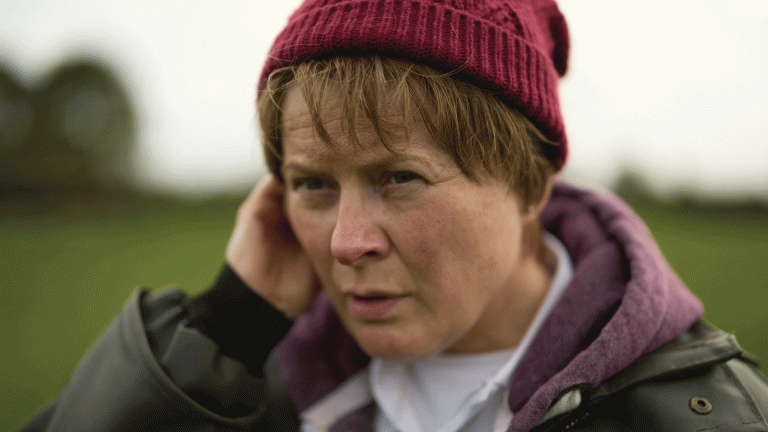
Madeley is nodding: “I feel so fortunate that I got to play her,” she says. “I really missed her when I finished filming. I went back into my own voice and I felt so sad that I didn’t get to be her any more. What a privilege to play an icon every day and share her humanity and her truth. I genuinely do carry her with me wherever I go now.”
Read more:
It could be a life-changing role for Madeley, who cut her teeth on British TV. She was nominated for a Bafta for her breakthrough role in BBC Three’s Don’t Take My Baby, before Russell T Davies’s Years and Years, playing UK disability rights activist Barbara Lisicki in Jack Thorne’s BBC film Then Barbara Met Alan and the lead in recent BBC One series The Rapture.
“I’m unashamedly ambitious, as you know,” Madeley says, recalling our recent conversation for Big Issue’s Letter to my Younger Self feature. “I strive for excellence and to be in the same rooms as the best of the best. That was always my aim. But it takes someone to open the door. Because disability has often been celebrated in Hollywood, but not with disabled people at the heart of it.
“And that’s why Siân’s work is so important. Being trusted with this incredible role about this incredible woman felt so wonderful. Scary too. I was so desperate to make sure I got it right. But playing Judy Heumann is the greatest privilege and honour of my career.
“And playing her has made me even more determined to conquer the industry and conquer Hollywood – I want to take up that baton for Judy as well as the rest of the community.”
It might be too early for Oscar chat. But let’s have it anyway.
“If disabled stories are ever going to be celebrated, this is the one, with this incredible woman heading it up,” says Madeley, pointing at Heder. “It’s 2026, and history is yet to be made.”
And if watching Judy Heumann, Kitty Cone and members of the Black Panthers coming together in solidarity to fight for rights inspires viewers – what action would Heder like us to take?
“We are living in an increasingly disconnected time,” she says. “This is a story about activism but it’s also a story about taking care of each other. We all have power and we all need help. Judy was very unafraid to raise her voice and we have to do that now more than ever. And we have to do that collectively. Because there are a lot of big forces working in the other direction. A lot of people are getting left behind.
“We talked earlier about realising I was the element that could get this movie made. So what are people using their privilege for? I would ask people that question. If you are in a moment of privilege or power – or maybe you are a billionaire – what are you doing with that money and that privilege?”
Being Heumann is in cinemas now and on Apple TV from 13 November
Do you have a story to tell or opinions to share about this? Get in touch and tell us more.
Change a vendor’s life.
Buy from your local Big Issue vendor every week – and always take the magazine. It’s how vendors earn with dignity and move forward.
You can also support online:
Subscribe to the magazine or support our work with a monthly gift. Your support helps vendors earn, learn and thrive while strengthening our frontline services.
Thank you for standing with Big Issue vendors.