Advertising helps fund Big Issue’s mission to end poverty
Culture

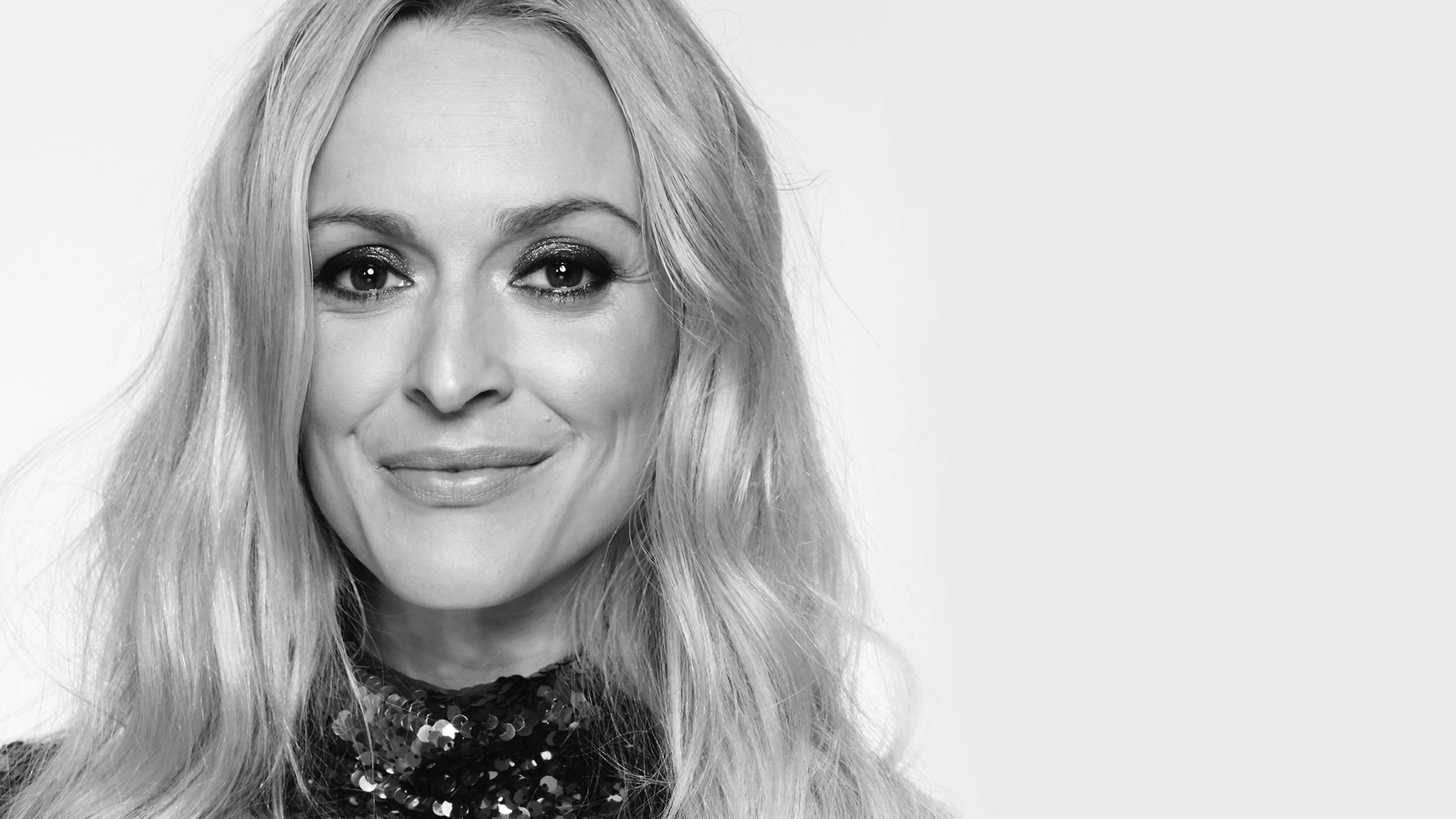
'Everything should be up for debate': Fearne Cotton on 'toxic' cancel culture

The podcast host and former Top of the Pops and Radio 1 presenter on how the entertainment industry has changed and why she's no longer on TV.

Fearne Cotton. Image: Dave J Hogan/Dave J Hogan/Getty Images

Fearne Cotton has hit out at cancel culture and says the entertainment industry is not what it once was.  

Cotton was one of the last regular presenters of Top of the Pops, as well as hosting programmes on BBC Radio 1 for nearly 10 years before leaving in 2015. 

Recalling that period in an interview with musician Yungblud, who is guest editing this week’s Big Issue magazine, Fearne Cotton said: “It was a great time. You could kind of do whatever you wanted back then. Lots of bands were quite wild and just completely themselves, essentially, without any media training, without anyone saying: ‘This is what is popular right now.’” 

“There was certainly a shift, maybe just as I was leaving Radio 1”, Cotton continued. “It felt like it was getting trickier for artists to cultivate a space that was their own. 

“I think culturally, it’s harder because cancel culture exists, which is a horrible, toxic little bastard. I just can’t bear that.” 

The public boycotting or shunning of individuals or organisations deemed to have acted or spoken in an unacceptable way has become a major talking point for conservative figures, both in the US, and now increasingly in the UK.

Advertising helps fund Big Issue’s mission to end poverty

Despite the issue receiving widespread coverage in the media, and prompting concern from several members of the cabinet, a poll commissioned last year by the New Statesman found that fewer than one in six British adults could name somebody who had been cancelled.  

Cotton added: “Everything should be up for debate. But also, everybody should be able to make mistakes, and then come back and try again. And in the Nineties, everyone was. Everyone was doing crazy shit and then picking themselves up and trying again, and we were much more forgiving. So we do need to go back to that way of thinking.”

Elsewhere in the interview, Fearne Cotton discusses dealing with the public’s perception of her and why she has found a new home in podcasting and radio. Pick up a copy from your local vendor now.

This article is taken from The Big Issue magazine. If you cannot reach local your vendor, you can still click HERE to subscribe to The Big Issue today or give a gift subscription to a friend or family member. You can also purchase one-off issues from The Big Issue Shop or The Big Issue app, available now from the App Store or Google Play.

Advertising helps fund Big Issue’s mission to end poverty

Do you know how Big Issue 'really' works?

Watch this simple explanation.

Recommended for you

View all
Ziggy Marley: 'I should have said something to my dad. But I was too young'
Letter To My Younger Self

Ziggy Marley: 'I should have said something to my dad. But I was too young'

The curious story of our public statues and why they end up worshipped, loved, assaulted or ignored
Books

The curious story of our public statues and why they end up worshipped, loved, assaulted or ignored

Life lessons with Yungblud: 'Social media is gonna fry your head. Have dinner with your mum instead'
Yungblud
Interview

Life lessons with Yungblud: 'Social media is gonna fry your head. Have dinner with your mum instead'

Alan Cumming: 'The High Life was always about Scotland’s place and the notion of independence'
Comedy

Alan Cumming: 'The High Life was always about Scotland’s place and the notion of independence'